You had your nose job weeks or months ago. The swelling was supposed to settle, the shape was supposed to become clearer, and by now you expected to feel happy every time you looked in the mirror. Instead you keep looking for something that isn't right. Maybe the tip looks too round, or one side looks different from the other. Maybe you simply can't breathe the way you used to.
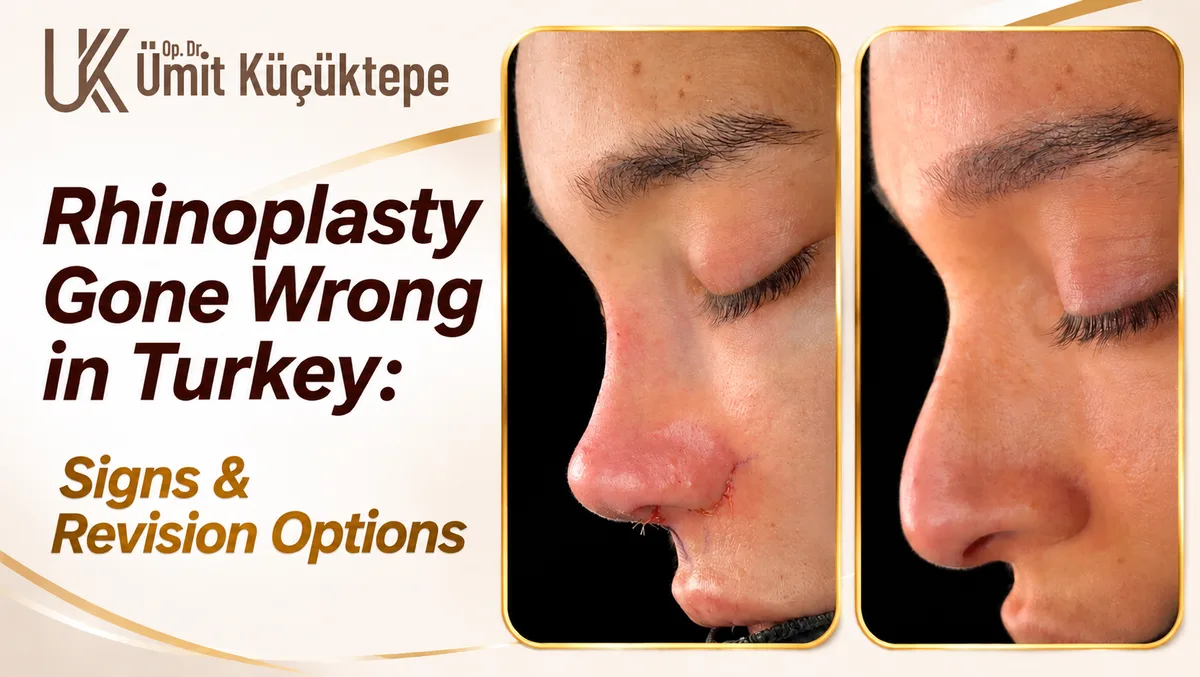
If that sounds familiar, you are not alone, and it doesn't always mean something went wrong. Some of the changes that worry patients turn out to be a normal part of healing. Others are real problems that may need a second operation. This guide explains how to tell them apart, why results sometimes fall short, and what revision rhinoplasty in Antalya, Turkey can and cannot do.
Key Takeaways
Swelling can take a year or more to fully resolve, so early changes in nasal shape do not necessarily mean rhinoplasty has failed. Persistent or worsening breathing problems should be assessed during recovery; severe pain or unexpected symptoms warrant prompt contact with your surgical team. Whether revision surgery is appropriate, and when it can be performed, depends on healing, nasal structure and an individual examination.
What Does Rhinoplasty Gone Wrong Mean?
"Rhinoplasty gone wrong" is a phrase patients use, not a medical diagnosis. It can mean very different things. For one person it means a visible deformity, such as a collapsed bridge or a twisted nose. For another it means a nose that looks fine to everyone else but doesn't match what they hoped for. For someone else it means a nose that looks good but no longer works properly.
In general, an unsuccessful rhinoplasty falls into one or more of these groups:
- Aesthetic problems: the shape, size or proportions of the nose are clearly off, or the nose doesn't suit the face.
- Functional problems: breathing has become harder than it was before surgery, often because the internal structures were weakened or blocked.
- Structural problems: the nose has lost support, so it collapses, twists or changes shape over time.
- Expectation problems: the result is technically acceptable, but it isn't what the patient pictured.
The last group matters more than people think. Not every disappointment after surgery is a surgical failure, and not every patient who is unhappy needs another operation. An honest assessment is always the first step.
How Can You Tell If a Nose Job Has Gone Wrong?
Some signs are worth taking seriously, especially once the early healing period is over. These include:
- A nose that is visibly crooked or off-center after the swelling has gone down.
- A bump or fullness just above the tip that makes the nose look like a parrot's beak. This is known as pollybeak deformity.
- A tip that has dropped, become too upturned or looks pinched. A drooping nose tip is one of the more common complaints.
- A bulbous or rounded tip that doesn't refine over time.
- A scooped or collapsed bridge, sometimes called a saddle nose.
- Uneven nostrils or a nostril rim that has pulled upwards.
- Visible or palpable irregularities along the bridge, such as small bumps, edges or ridges.
- Breathing problems after rhinoplasty that started after surgery and haven't improved.
- A nose that looks clearly "operated", too small or out of balance with the rest of the face.
If you notice one or more of these signs long after surgery, it is reasonable to have your nose assessed by an experienced rhinoplasty surgeon.
Common Causes of Unsatisfactory Rhinoplasty Results
Rhinoplasty is widely considered one of the most demanding operations in facial surgery. The nose is small, every millimetre counts, and the final result depends on how bone, cartilage and skin heal together over many months. When results are disappointing, the cause is usually one of the following.
- Too much tissue removed: older techniques focused on reducing the nose. Removing too much cartilage or bone can leave the nose without enough support, which may lead to nasal collapse, a pinched tip or breathing problems years later.
- Too little correction: in some cases the hump, width or asymmetry wasn't corrected enough, so the patient sees little difference or the original problem comes back.
- Weak structural support: if the tip and middle part of the nose aren't properly supported during surgery, they may drop or shift as healing continues.
- Thick skin: patients with thick skin often need a different approach. Thick skin can hide fine details and is more likely to form scar tissue, especially above the tip.
- Poor planning: a nose that doesn't suit the patient's face, ethnicity or gender can look unnatural even if the surgery itself went smoothly.
- Healing factors: infection, trauma to the nose during recovery, or not following aftercare instructions can affect the outcome too.
- Unrealistic expectations: some patients bring photos of a nose that simply can't be built from their own anatomy. When expectations and reality don't meet, disappointment follows, even after a skilled operation.
Normal Swelling vs Signs of a Failed Rhinoplasty
This is probably the most important part of this guide. Many patients start worrying too early.
After rhinoplasty, swelling goes down in stages. Most of the visible swelling settles within the first few weeks, but the tip can stay swollen for much longer. Exactly how long swelling can last varies from person to person. In patients with thick skin or those who have had revision surgery, it may take a year or more before the nose shows its final shape. During this time it is completely normal for the tip to feel firm, look a little wider than expected, or change slightly from week to week. Mild asymmetry in the morning, numbness at the tip and a blocked feeling inside the nose are also common in the early months.
Signs that are more likely to point to a real problem include:
- A shape that is getting worse over time instead of better.
- A clear deformity that remains after the first year.
- Breathing that becomes harder rather than easier as healing goes on.
- A nose that has visibly moved, twisted or sunk.
A good rule of thumb is this: in the first few months, try not to judge your nose too harshly. If something worries you, speak to your surgeon rather than comparing yourself with photos online. Early on, a follow-up visit is usually more helpful than searching "botched nose job" at midnight.
Can a Botched Nose Job Be Fixed?
In many cases, yes. Revision rhinoplasty, also called secondary rhinoplasty, is surgery performed to correct or improve the result of a previous nose job. It can address both appearance and breathing.
Depending on the problem, revision surgery may involve:
- Rebuilding lost support using cartilage grafts, usually taken from the septum, the ear or the rib.
- Straightening a crooked nose by repositioning bone and cartilage.
- Refining or supporting the tip.
- Smoothing irregularities along the bridge.
- Opening the airway and correcting the septum or nasal valves to improve breathing.


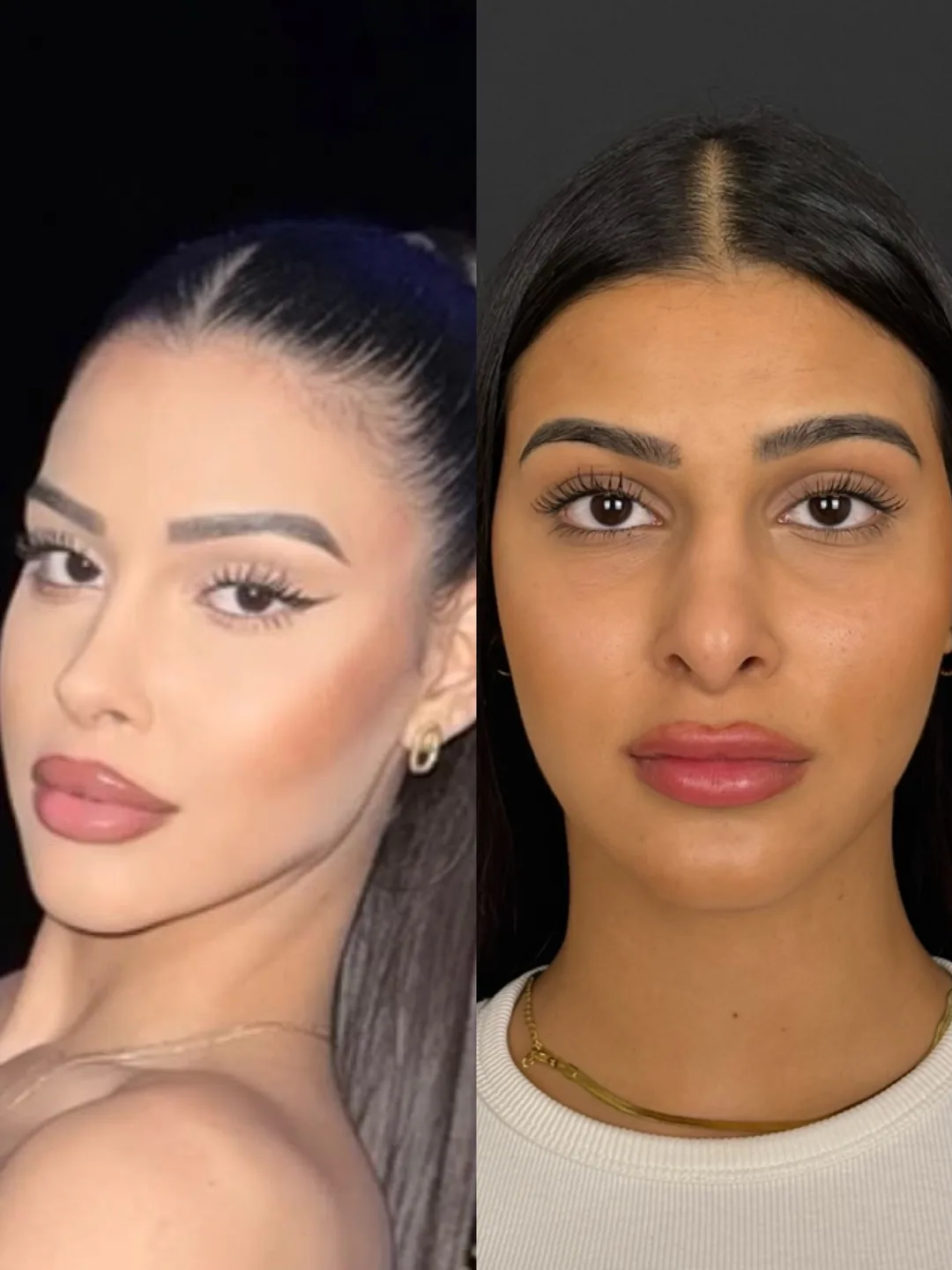
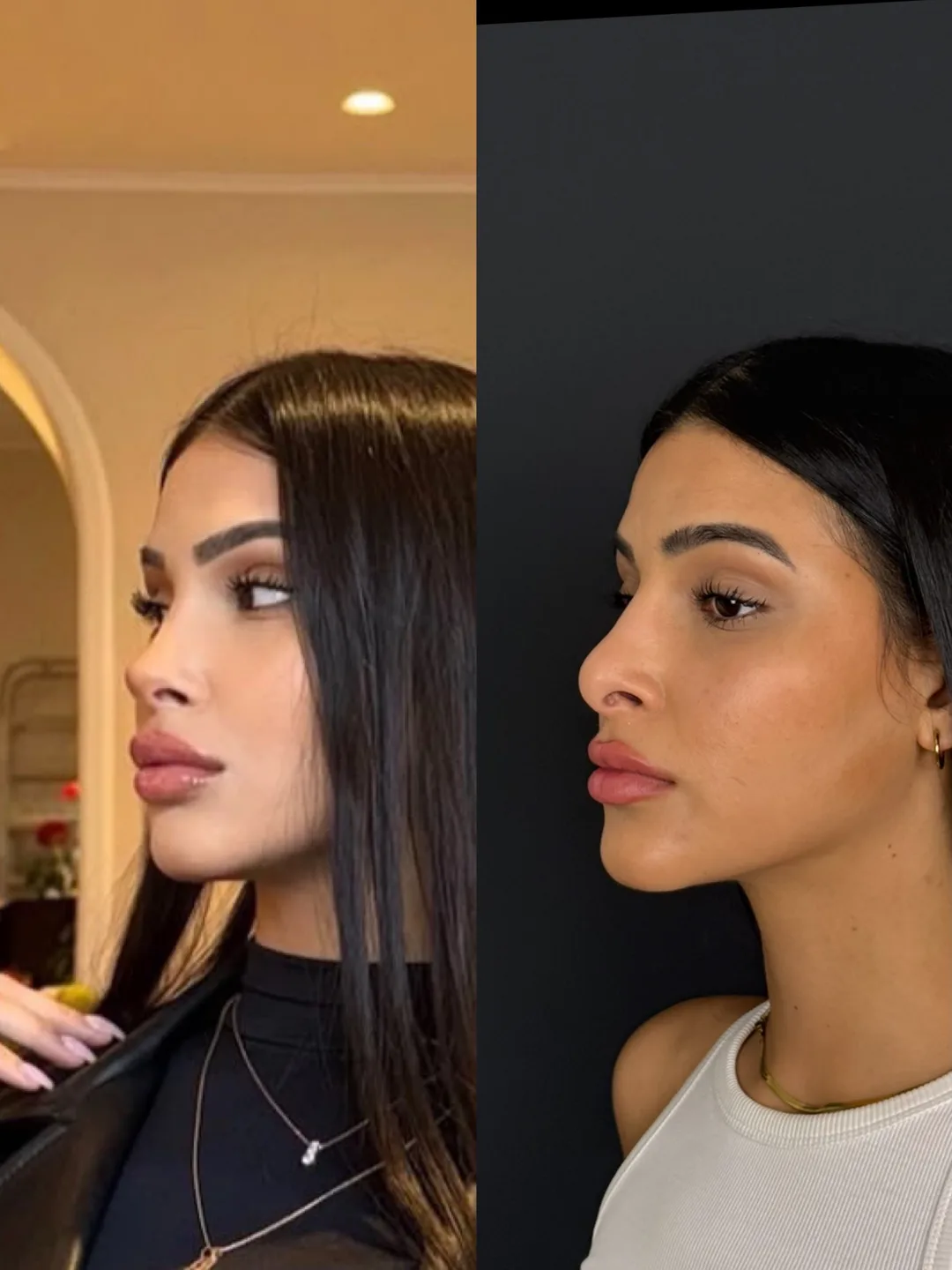
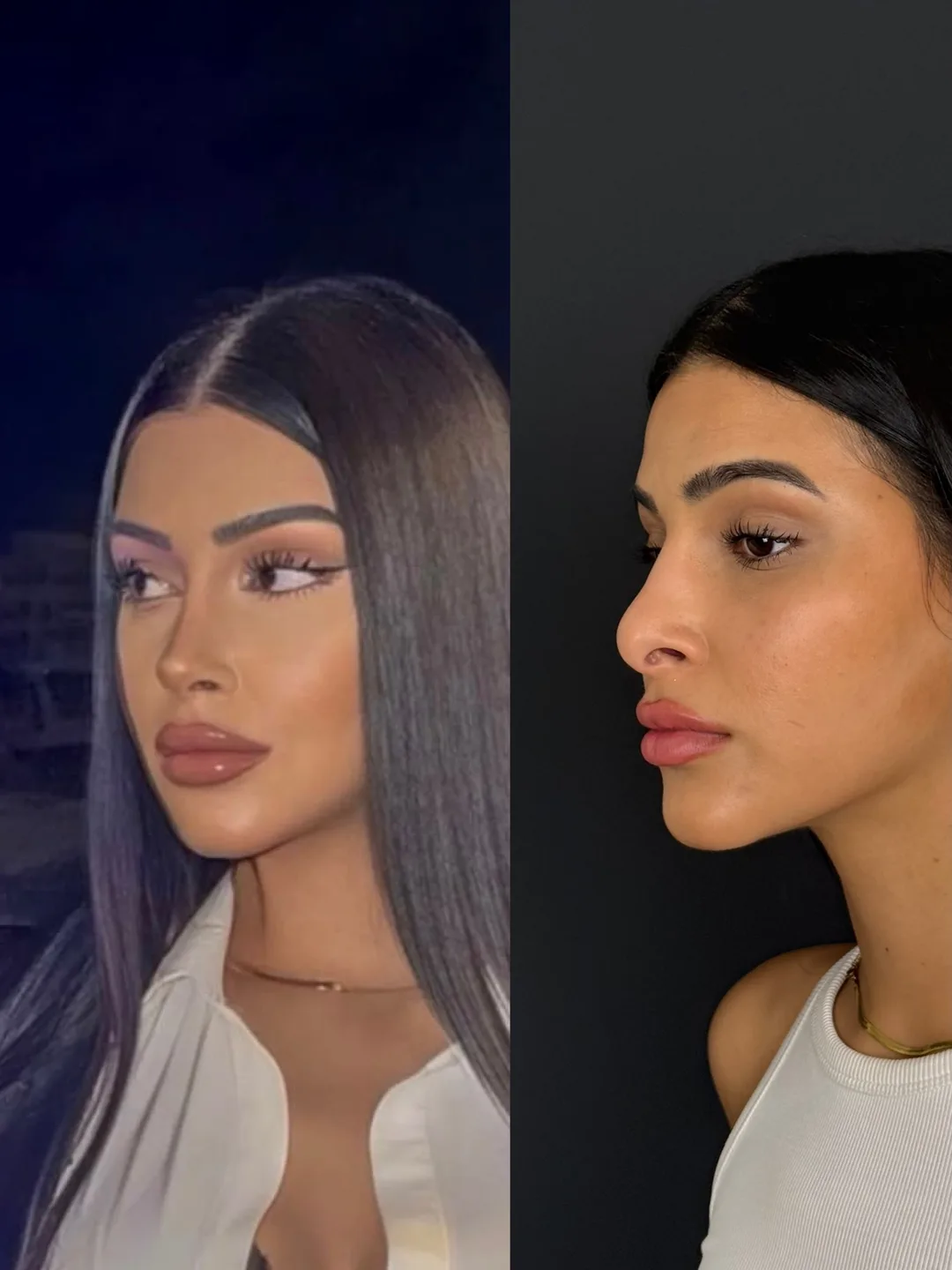
Revision Rhinoplasty | 1-Year Follow-Up
A challenging revision case reconstructed using autologous costal cartilage. One year later, a refined, natural, and harmonious result.
Restoring structure, balance, and confidence.
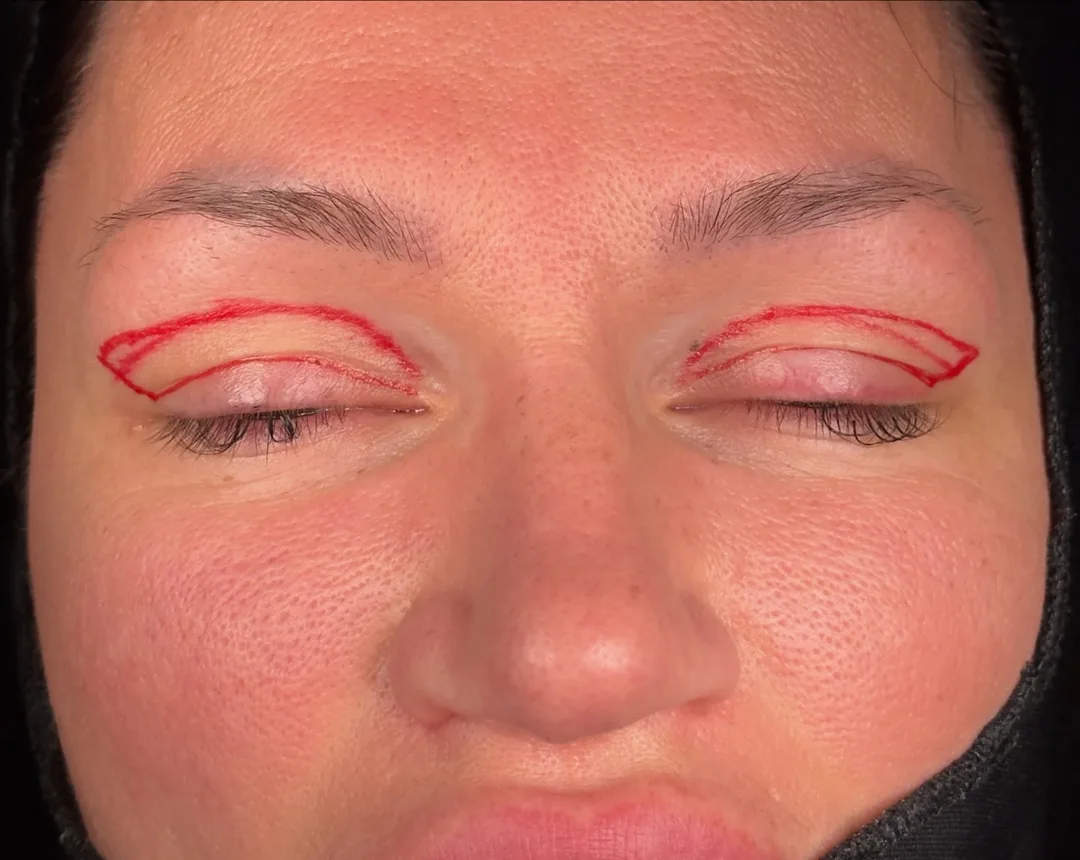
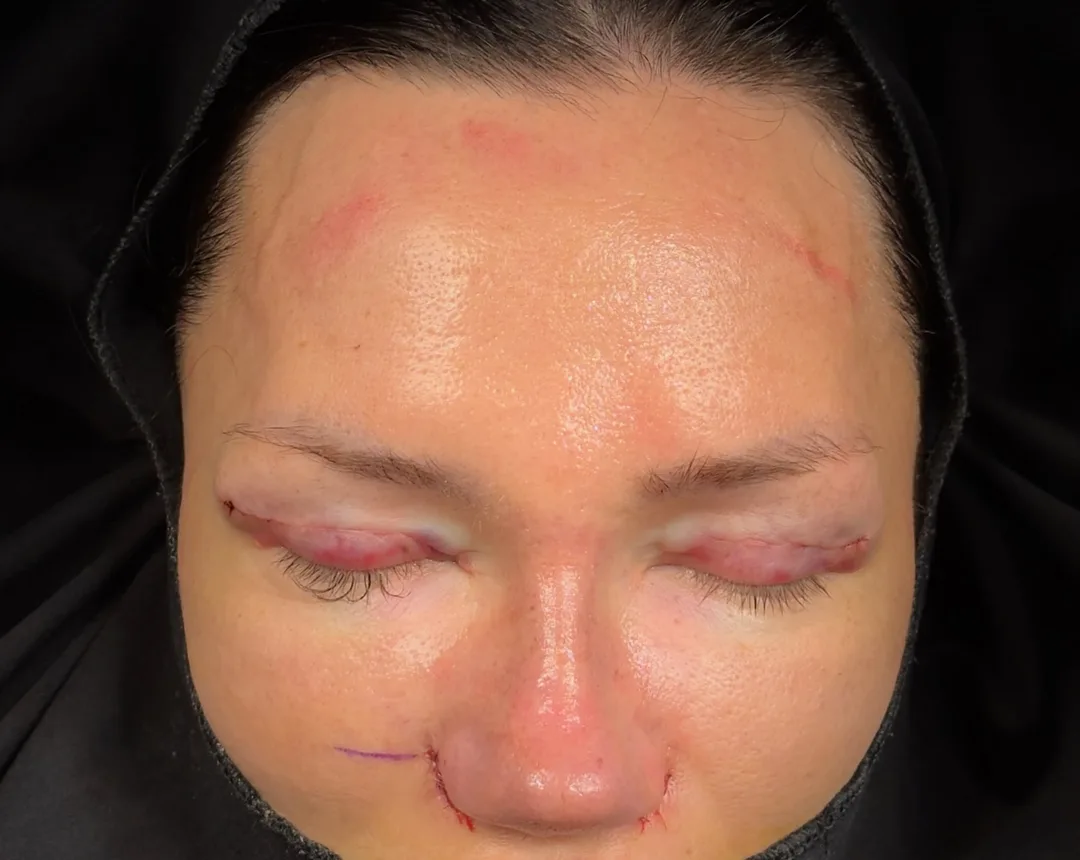
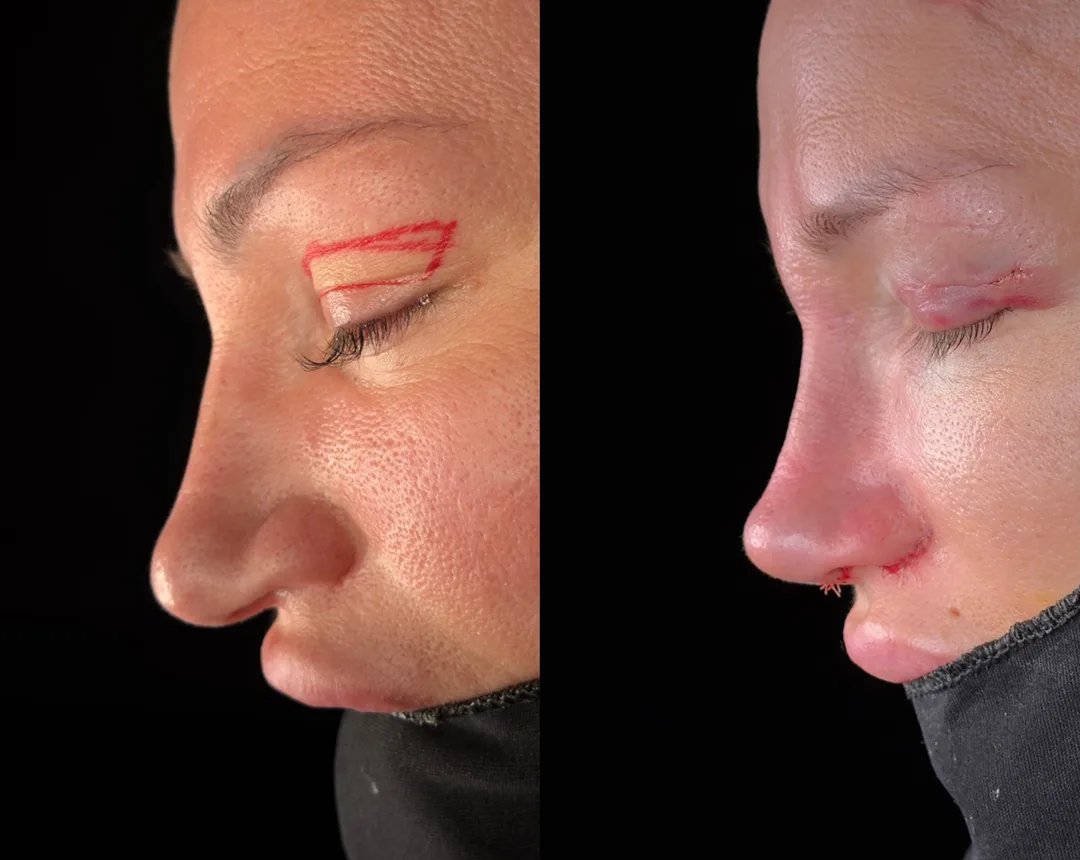
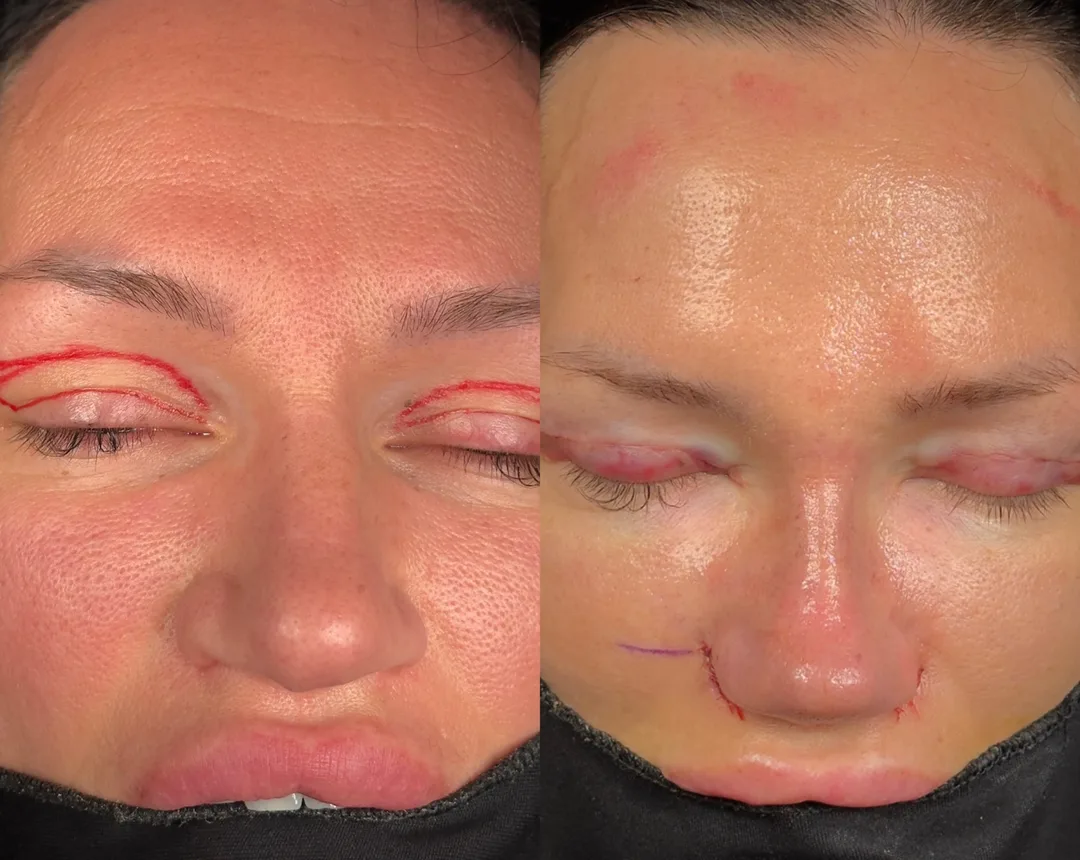
Revision rhinoplasty with own rib cartilage
It is worth being honest here: revision rhinoplasty is usually more complex than the first operation. Scar tissue, missing cartilage and changes in the skin make every case different. The aim is a clear improvement, not necessarily a "perfect" nose. A good revision surgeon will tell you what is realistically possible for your nose before you make any decision.
For small irregularities, non-surgical options such as fillers are sometimes discussed. These can camouflage minor issues in selected cases, but they don't fix structural or breathing problems. Accidental injection into a blood vessel can block blood flow and cause tissue loss or, rarely, vision loss. A previously operated nose needs careful specialist assessment before any filler treatment is considered.
When Should You Consider Revision Rhinoplasty?
Revision surgery may be worth discussing if:
- You have a visible deformity that has stayed the same after the healing period.
- You have breathing problems that started or got worse after your first surgery.
- Your nose has lost support and is changing shape.
- The result clearly doesn't suit your face, and a specialist confirms it can be improved.
Revision may not be the right choice if your concerns are very small, if they are mainly about swelling that hasn't settled yet, or if a specialist believes surgery is unlikely to give you a meaningful improvement. Sometimes the most helpful thing a surgeon can tell you is that another operation isn't necessary.
How Long Should You Wait Before Revision Rhinoplasty?
In most cases, at least 9 to 12 months should pass after the first operation before elective revision surgery is performed. In patients with thick skin, the wait may be longer. This gives the tissues time to soften, the swelling to settle and the true shape of the nose to appear.
Operating too early can make things harder. The tissues are still inflamed, scar tissue is still forming, and a problem that looked serious at month four might have improved on its own by month twelve.
There are exceptions. If there is a serious functional problem, an infection, or a graft that has clearly moved out of place, earlier treatment may be needed. Your surgeon will decide this based on your individual situation.
Revision Rhinoplasty in Antalya, Turkey
Patients considering rhinoplasty in Antalya, Turkey should plan for an in-person assessment, postoperative follow-up and enough time locally before travelling home. Discuss your travel plans and access to care after returning home with your surgeon.
That said, the most important part of revision rhinoplasty is not the location. It is the surgeon's experience with complex noses. Op. Dr. Ümit Küçüktepe is an ENT and Head & Neck Surgery specialist in Antalya who focuses on nasal health and aesthetics. Because he approaches the nose from both a functional and an aesthetic point of view, breathing is assessed together with appearance from the very first consultation.
The process usually starts with an online consultation. You share photos of your nose from different angles, information about your previous surgery and any breathing complaints. If possible, bring your previous surgical report, as it helps the surgeon understand what was done before. A detailed examination is then carried out in Antalya before surgery is planned.
If you had your first rhinoplasty in Turkey and you are unhappy with the result, it can feel discouraging to think about coming back. It may help to remember that a disappointing first result doesn't mean a second operation will go the same way. What matters is careful planning, realistic goals and a surgeon who is experienced in revision cases.
Risks, Limitations and Expected Results
Like any surgery, revision rhinoplasty carries risks. These can include swelling that lasts longer than after a first rhinoplasty, bleeding, infection, problems at the graft site, changes in sensation, asymmetry and, in some cases, the need for further surgery.
There are also natural limitations. The skin of a nose that has been operated on before is less flexible, and scar tissue can limit how much detail can be achieved. If a lot of cartilage was removed the first time, it may need to be rebuilt using grafts, which adds to the complexity.
Recovery also tends to take longer. Initial bruising and swelling usually settle within a few weeks, but the final result of a revision operation often takes a year or more to fully appear.
Most patients who choose revision surgery for the right reasons are looking for two things: a nose that looks natural and a nose that works well. With realistic expectations and proper planning, a clear improvement in both is often possible.
Frequently Asked Questions About Failed Rhinoplasty
It is difficult to judge the final appearance in the first few months because swelling can last a year or more. However, you do not need to wait a year to seek an assessment. Contact your surgeon if breathing problems persist or worsen, or if your nose is changing shape unexpectedly. Contact the clinic promptly for severe pain or other unexpected symptoms, and seek emergency care for severe difficulty breathing.
Yes, this is very common. Swelling, especially at the tip, can make the nose look wider or less defined for months. Most patients see gradual improvement over the first year.
In many cases it can be improved significantly, but the result depends on the original surgery, the amount of remaining cartilage, your skin type and scar tissue. A specialist can tell you what is realistic for your nose.
Usually, yes. The anatomy has already been changed, and the surgeon often has to work with scar tissue and rebuild support. This is why surgeon experience matters so much in revision cases.
There is no fixed number, but every operation adds scar tissue and makes the next one more complex. That is why the goal should be to get it right with as few operations as possible. You can read more about how many times you can have rhinoplasty in our separate guide.
Yes. Many patients who come for revision rhinoplasty in Antalya had their first operation in another city or another country. Your previous surgical records and photos will help with planning.
A Final Word
Being unhappy with your nose after surgery can be emotionally draining. Many patients feel embarrassed, worried or unsure whether they are overreacting. Give your nose time to heal, and discuss concerns with a surgeon who works with complex rhinoplasty cases. You can seek an assessment during recovery even when it is too early to judge the final appearance.
If you are concerned about your rhinoplasty result and would like to know whether revision surgery could help, you can contact Op. Dr. Ümit Küçüktepe's clinic in Antalya, Turkey for a consultation. You'll get a clear explanation of what can be improved and what to expect, before you make any decision. This article has been prepared for information purposes and does not replace an examination.
Medical Sources and Further Reading
- Johns Hopkins Medicine: Rhinoplasty — nasal appearance, breathing and the time needed for swelling to resolve.
- NHS: Nose reshaping (rhinoplasty) — recovery, surgical risks and when to contact your clinic about symptoms.
- American Society of Plastic Surgeons: Is liquid rhinoplasty for you? — limitations of nasal fillers and the risks of blood vessel blockage, tissue loss and blindness.
Author: Op. Dr. Ümit Küçüktepe, ENT and Head & Neck Surgery Specialist. Published: . Updated: .