What is a Pollybeak Deformity?
An abnormally swollen upper part of the nose, or ‘supratip’ region, creating a beak-like appearance is referred to as a Pollybeak - Supratip deformity.
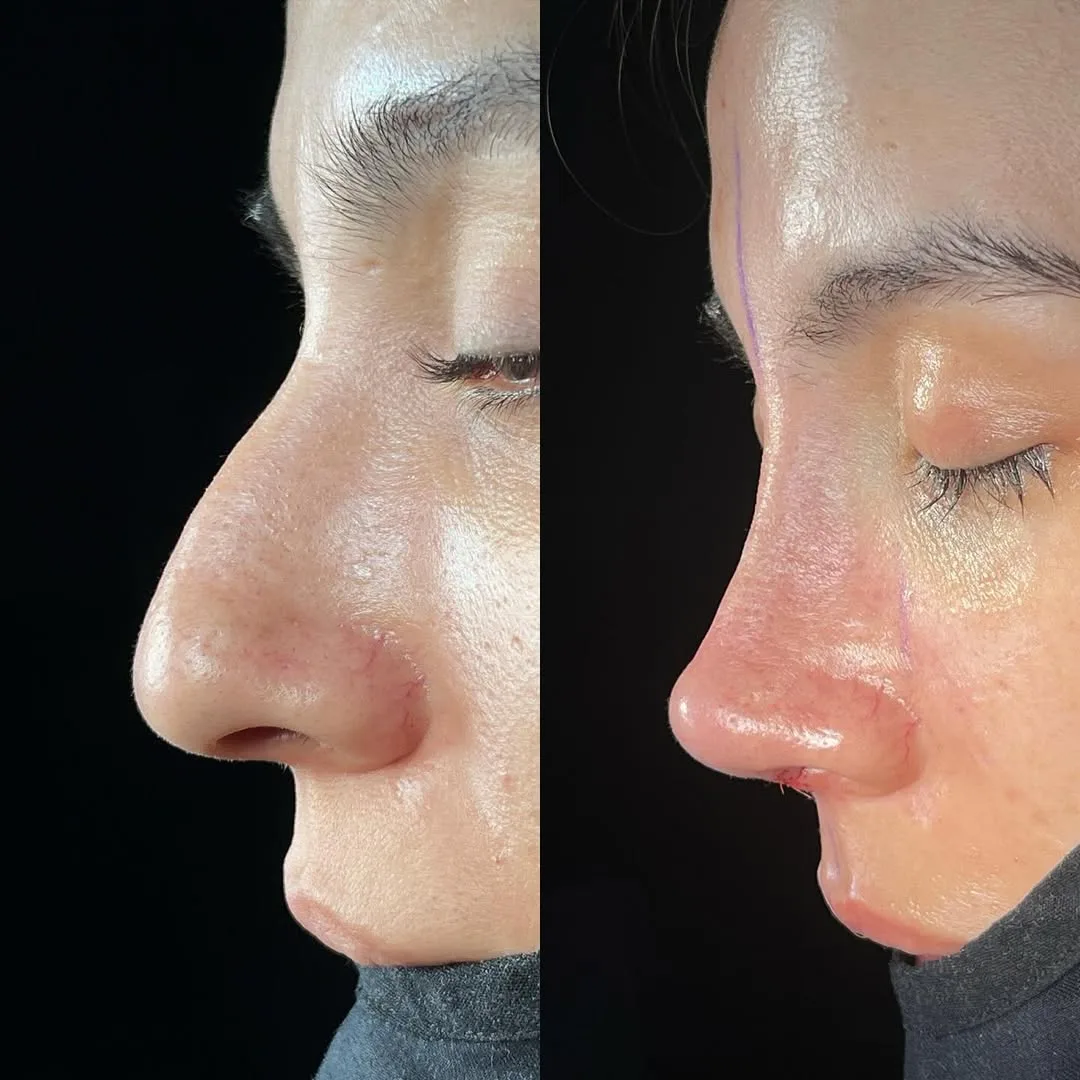
One of the most frequently mentioned complications after rhinoplasty is the pollybeak deformity. When looking at the nasal profile, the upper part appears more concave, and the top of the tip appears fuller.
This deformity can cause both aesthetic discomfort and affect respiratory function in some patients.
How can a Pollybeak be fixed?
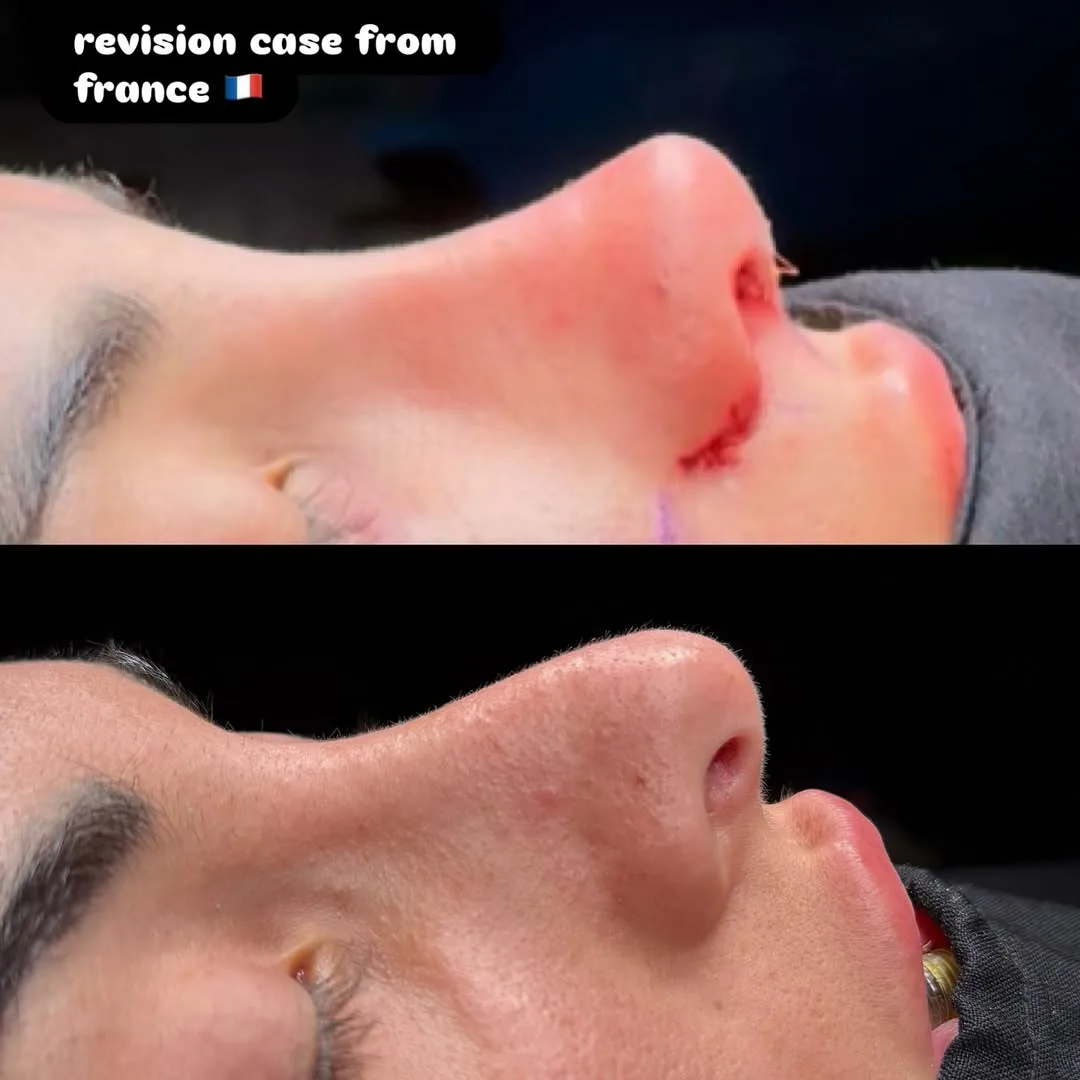
Treatment is easier when detected early after surgery. If detected late, the swelling may become permanent. When supratip deformity occurs, revision rhinoplasty can be performed to correct this unsightly appearance. The upper part of the patient's nose can be restored to a natural appearance.
Treatment varies depending on the cause of the deformity.
- Oedema/Soft Tissue-Related Pollybeak Treatment: This does not require surgery. This needs a corticosteroid (triamcinolone) injection, nasal massage techniques, oedema-reducing drainage massage, correct application of post-operative taping techniques and skincare protocol treatments. These treatments are particularly effective in patients with thick skin.
- Structural (Cartilage) Pollybeak Treatment: If the problem stems from a lack of cartilage support, revision rhinoplasty may be necessary. In this procedure, excess tissue is removed from the bridge of the nose. The tip support with cartilage taken from the septum or ear is strengthened. The tip of the nose is lifted by placing a cartilage graft. Alar cartilage is shaped. The tip of the nose is reconfigured.
Structural polybeak deformity cannot be corrected without surgery.
What causes a Pollybeak Deformity?
A Pollybeak deformity is usually caused by incorrect rhinoplasty. Supratip deformity:
- Removing excessive tissue from the nasal area can lead to a supratip deformity.
- Incorrect shaping of the nasal cartilage,
- Incorrect shaping of the nasal bones,
- The nasal skin is too thin,
- The nasal skin may not provide sufficient support for the structure of the nasal tip.
- Post-operative swelling and inflammation can also contribute to its development.
Furthermore, if the upper and lower halves of the nose become mismatched due to incorrect surgical procedures, ‘supratip deformity’ may occur in the late stages following rhinoplasty. This condition is also referred to as a drooping nasal tip.
How common is Pollybeak after rhinoplasty?
Pollybeak deformity is a rare condition that can occur after rhinoplasty (nose surgery). Therefore, choosing the right surgeon before surgery is crucial to avoiding supratip deformities. To avoid this problem, it is very important that the surgeon specialises in rhinoplasty and has a proven track record of successful rhinoplasty surgeries. As your surgeon, I recommend reviewing my patients' testimonials on my homepage and examining my previous procedures on my social media account.
Supratip deformity negatively affects the results of rhinoplasty. It can sometimes make the patient regret the aesthetic outcome and feel even more unhappy than before the nose surgery. To avoid this problem, it is very important to choose experienced surgeons. You can make an appointment to ask your questions and have a consultation before your nose surgery.
How is Pollybeak Deformity diagnosed?
During the doctor's examination, the profile of the nose is examined, the tip is examined for fullness, the drooping of the nasal tip is assessed, skin thickness is measured, and cartilage support is checked.
In some patients, there is only a swelling issue, and the nose may return to its natural shape within a few months. However, a true pollybeak deformity is permanent.
How to avoid Pollybeak Deformity?
A successful rhinoplasty can significantly reduce this risk. Factors that increase the success of the surgery include adequate support of the nasal tip, avoiding excessive removal of the nasal dorsum, paying attention to oedema management in patients with thick skin, attending follow-up appointments without fail, administering steroid injections in the early stages if necessary, and ensuring patient compliance and proper post-operative care.
Pollybeak deformity is one of the most common aesthetic problems encountered after rhinoplasty. With correct diagnosis and appropriate treatment, it can be successfully corrected in most patients.
The Recovery process for Pollybeak Deformity
The recovery period varies depending on the treatment:
- Steroid injections: several weeks
- Oedema-related conditions: 3-12 months
- Revision surgery: 6-12 months
It may take time for the nasal tissues to settle completely.
Frequently Asked Questions
When does pollybeak deformity start?
During the first 3–6 months after rhinoplasty, the area may appear swollen due to oedema. This does not indicate a true deformity and resolves over time in most patients.
Can pollybeak deformity be fixed on its own?
Those caused by oedema may resolve. However, structural pollybeak deformity, caused by a lack of cartilage support, does not resolve on its own and requires revision rhinoplasty.
Are steroid injections safe?
Yes, they are safe when done by an experienced specialist. However, excessive dosage or incorrect treatment can cause skin thinning. They must therefore be carried out carefully.
When can revision surgery be performed?
It is generally recommended that you wait at least 9-12 months after the initial surgery. This is because the tissues need to settle completely.
Please contact Op. Dr. Ümit Küçüktepe for an examination and further information.
This article is for informational and advisory purposes. The recommendations of your surgeon, who will examine you and perform nose surgery, should be a priority.