In the first month following rhinoplasty, you must take particular care to avoid any movements that may put pressure on the nose or increase blood flow.
Bending forward suddenly and frequently increases pressure inside the nose and may prolong the duration of swelling. Sleeping on your stomach or side is generally prohibited during the first month. It is recommended that you sleep on your back as much as possible, with your head slightly elevated. Lifting heavy weights, engaging in intense sport, or performing exercises that raise your heart rate are also unsuitable during this period.
In addition, you should avoid wearing glasses, sunbathing, using a sunbed, visiting a sauna, and taking very hot showers during the first month. During this period, it is also not advisable to be in crowded places where a blow to the nose and uncontrolled physical contact pose a risk.
What happens if I bend over after rhinoplasty?
During the first month following rhinoplasty, when you bend forward, the effect of gravity increases the amount of blood flowing to the head and nose area. This can cause an increase in pressure within the tissues that have been operated on and are still in the healing process. As pressure rises, the drainage of fluid slows down, bruising takes longer to heal, and, although rare, the risk of bleeding may increase.
Frequent bending during the first month affects tissue healing. In the first few weeks, new connective tissue begins to form within the nose and between the bone and cartilage structures. Frequent bending strains these delicate structures, leading to slower and more irregular healing. It should be understood that the ENT specialist who performed the rhinoplasty is not exaggerating when advising patients not to bend forward. The results will be smoother and more stable if the nasal tissues are less strained in the first month.
What not to eat after rhinoplasty?
We do not recommend eating very salty foods following rhinoplasty. This is because salt causes the body to retain water. This leads to swelling in the nose and face taking longer to subside. Pickles, processed foods, crisps and excessively salty snacks are not a good choice for the first month. Similarly, very spicy and hot foods can increase blood circulation and sensitivity inside the nose, as well as, indirectly, the risk of bleeding.
Very hard and difficult-to-chew foods can also cause problems in the first few weeks. Prolonged and vigorous chewing strains the facial muscles and may increase pressure around the nose. Opting for softer, easier-to-chew foods during the first month facilitates healing. Alcohol consumption is not recommended during the first few weeks, as it dilates the blood vessels in the nose, which may increase swelling or delay its resolution.
You may have a look at our blog post: "What to Eat and Avoid After Rhinoplasty (Nose Job) Surgery".
Which sports should you avoid after a rhinoplasty?
During the first month following rhinoplasty, we do not recommend participating in sports that significantly raise your heart rate or carry a risk of impact to the nose. In the first month after rhinoplasty, avoid sports that raise your heart rate or involve impact to the nose, as sensitive tissues may lead to prolonged swelling or bleeding. For this reason, running, fitness, weight training, and intense cardio are not suitable during the first month.
You should also avoid contact sports, such as football, basketball, and volleyball, during the first month. Swimming pools and the sea are not recommended in the first few weeks due to the risk of infection and impact, particularly because exposure to water can increase the likelihood of complications during the healing process.
What sleeping positions should be avoided after rhinoplasty?
Sleeping on your stomach or side is not recommended during the first month following rhinoplasty. These positions should be avoided at all costs. This is because the nasal bone and cartilage structures have not yet fully healed during this period.
From a scientific perspective, swelling occurs in the nose during the first month, and the tissues are sensitive. Sleeping on your side can exert mechanical pressure on the nose and cause the swelling to appear on only one side. This may lead to a risk of asymmetry. Therefore, the most correct and safe position during this period is to sleep on your back with your head slightly elevated. The more strictly this rule is followed during the first month, the more smoothly and stably the nose will heal.
How soon after rhinoplasty can you blow your nose?
You must not rub your nose vigorously or blow it forcefully during the first month following rhinoplasty. This is because the tissues inside the nose are sensitive during this period. Any pressure applied to the nose, either externally or internally, can cause bleeding, increased swelling and delayed healing. You can clean your nose using nasal irrigation as recommended by your doctor.
How to get the best rhinoplasty results in Turkey, Antalya?
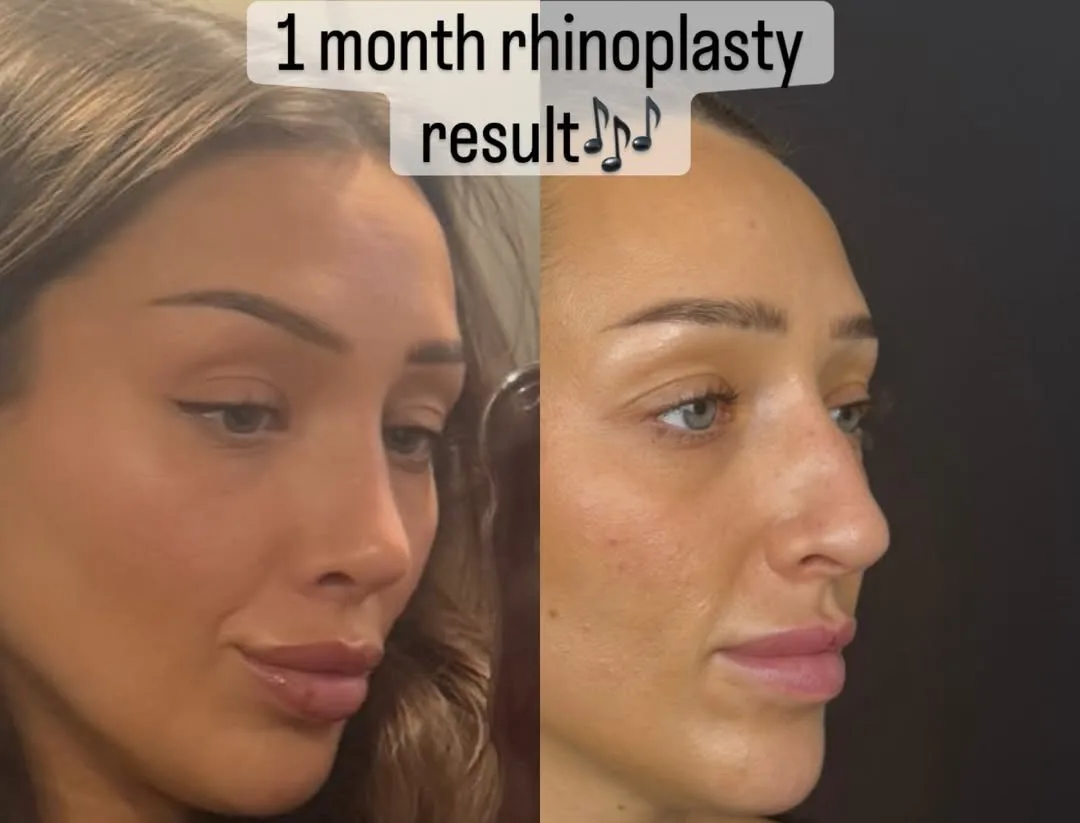
Following your doctor's instructions carefully is the most important thing you can do to get the best results in the first month after rhinoplasty. When you sleep, keep your head up, stay away from impact and pressure, don't do hard exercise, and don't eat too much salt. Also, staying out of the sun, not smoking or drinking alcohol, keeping your nose clean, and going to all of your follow-up appointments can help reduce swelling, speed up healing, and make the outcome more natural and successful. You can see the best results one month after the procedure below.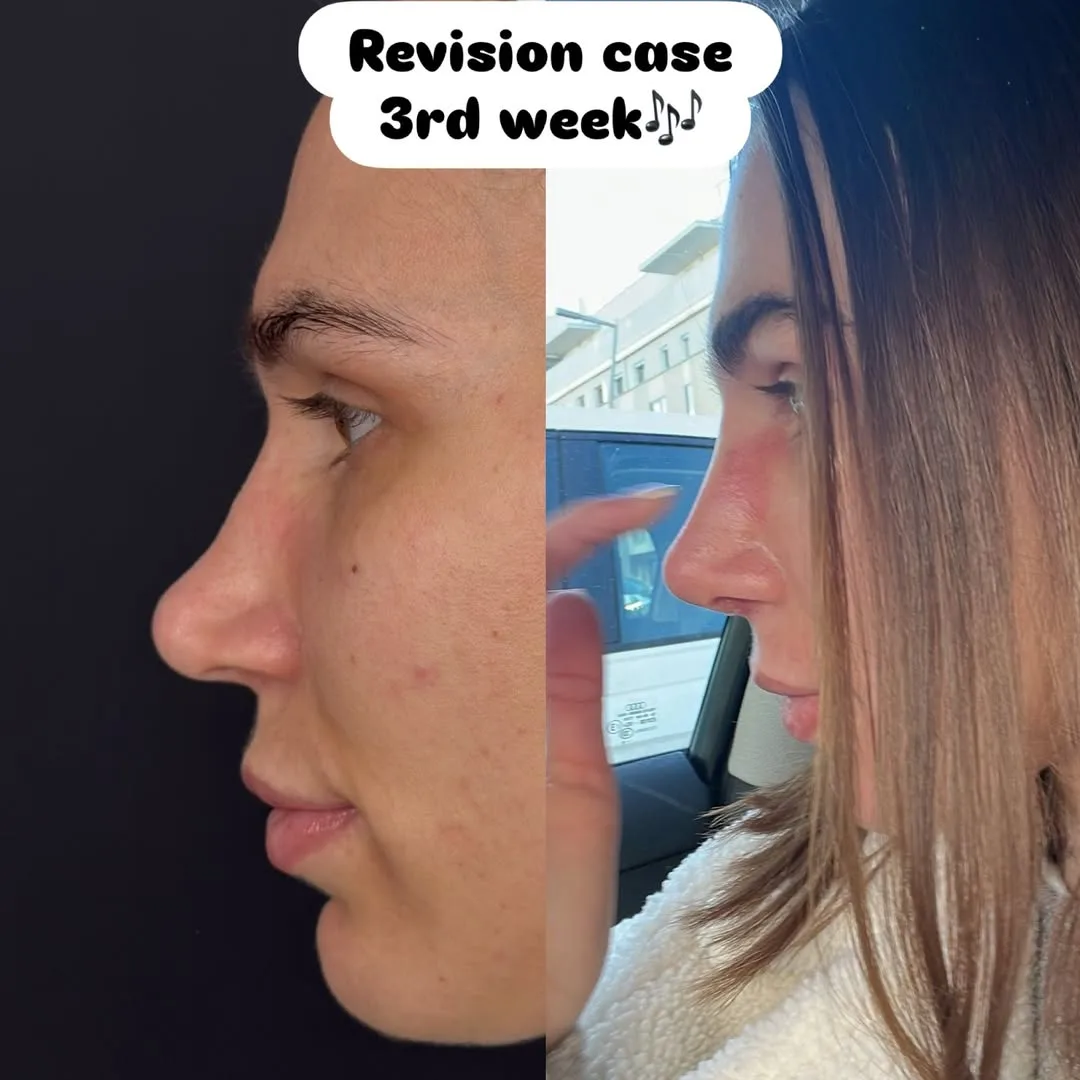
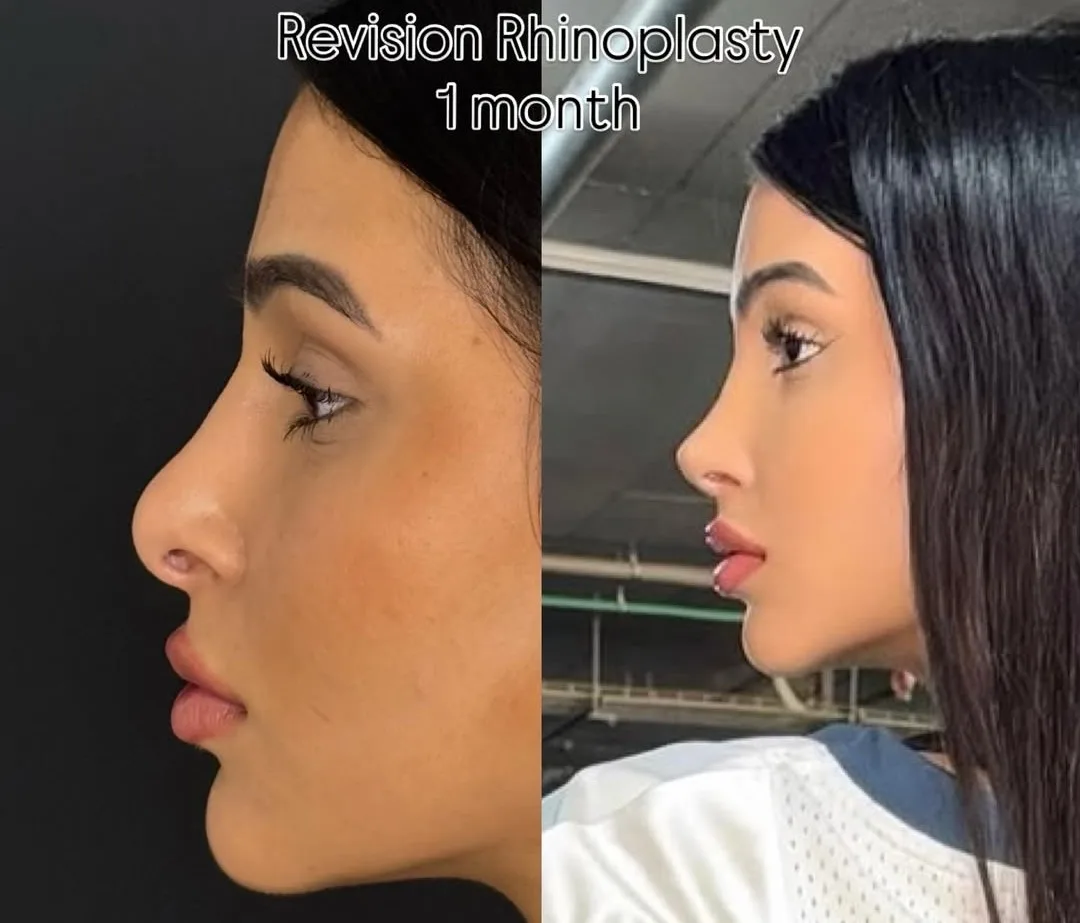
Note
- Before and after images were taken in the same clinical environment and under the same technical conditions.
- Written and explicit patient consent has been obtained.
- This content is shared for informational purposes only.
- Results may vary from person to person.
Please contact Op. Dr. Ümit Küçüktepe for an examination and further information.
This article is for informational and advisory purposes. The recommendations of your surgeon, who will examine you and perform nose surgery, should be a priority.