
Most people who come to us asking about a nasal hump have been thinking about it for years. They notice it in side-profile photos, in shop windows, in the camera on a video call. Some have learned to angle their face a certain way without even realising it. If that sounds familiar, you are far from alone. Nasal hump removal is one of the most common reasons patients choose rhinoplasty, and in many cases it is also one of the most satisfying changes to make.
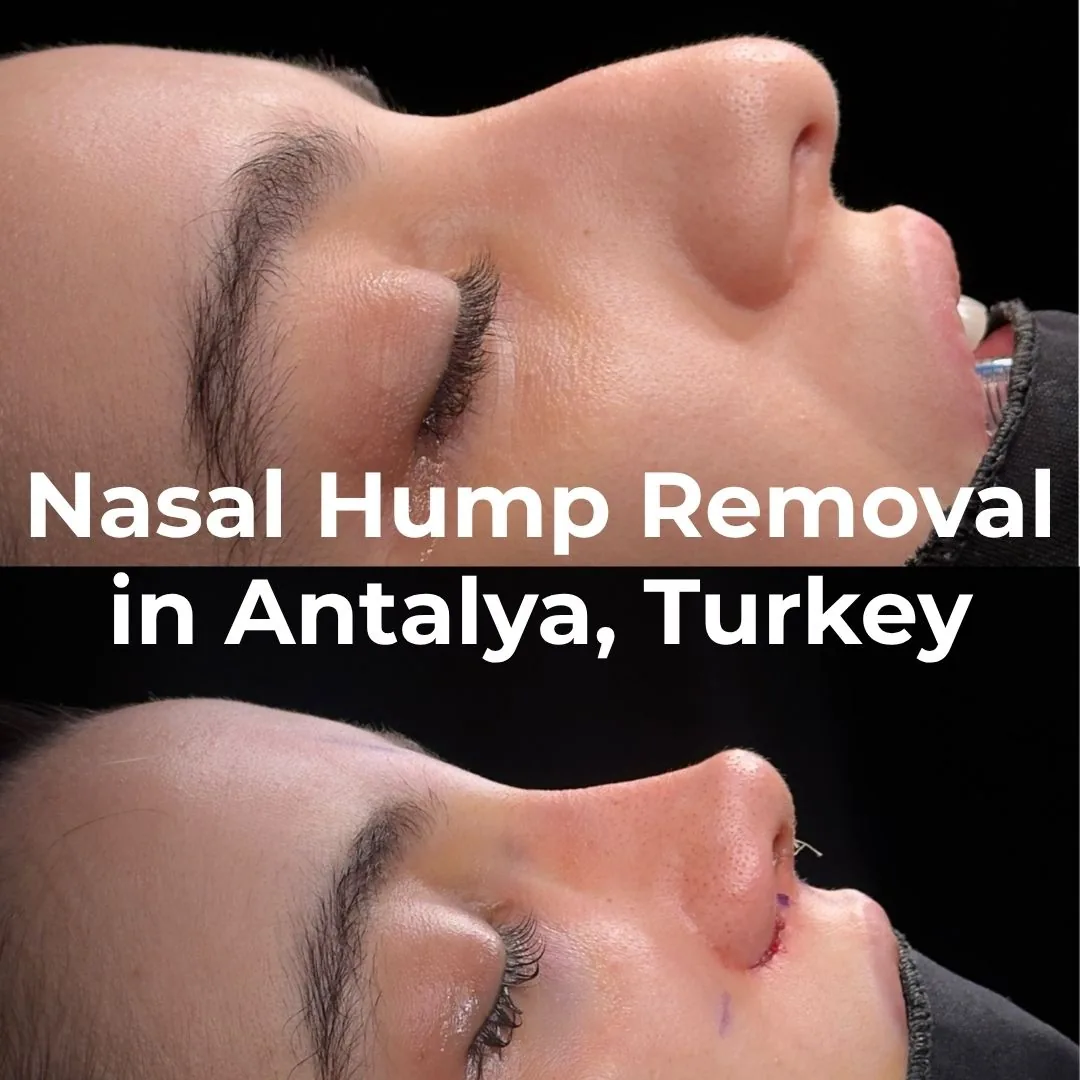
This guide explains what a nasal hump actually is, why it forms, how surgeons remove it and what recovery really looks like. It is written for anyone considering nasal hump removal in Antalya, Turkey, who wants clear, honest information before booking a consultation.
What Is a Nasal Hump?
A nasal hump, also called a dorsal hump, is a raised bump along the bridge of the nose. When you look at the nose from the side, the line from the forehead down to the tip should flow fairly smoothly. With a hump, that line rises and then drops again, creating a visible bump.
The bridge of the nose is made of two different materials. The upper third is bone. The middle and lower parts are cartilage. A dorsal hump is usually a combination of both, sitting right at the point where bone meets cartilage. This matters, because removing bone and removing cartilage require different techniques, and a good result depends on handling each one correctly.
Humps vary a lot. Some are barely noticeable and only show up in certain lighting. Others are prominent enough to dominate the profile. There is no single "right" size for surgery. What matters is how much the hump bothers you and how it fits with the rest of your face.
What Causes a Hump on the Bridge of the Nose?
For most people, the answer is simple: genetics. A dorsal hump often runs in families, and many patients tell us their father, mother or grandparent had the same nose. The hump usually becomes more visible during the teenage years as the face matures and the nasal bones and cartilage finish growing.
The second common cause is injury. A blow to the nose during sport, a fall or an accident can cause the bone or cartilage to heal unevenly. Sometimes extra bone forms during healing, which creates a bump that was not there before. Trauma-related humps are often accompanied by a crooked nose or a deviated septum, which can also affect breathing.
Less commonly, a hump becomes more noticeable with age as the skin thins and the tip of the nose slowly drops, making the bridge appear more prominent than it once did.
Can a Nasal Hump Be Removed Without Surgery?
Strictly speaking, no. A hump is made of bone and cartilage, and the only way to physically remove it is surgery.
What non-surgical treatments can do is disguise it. In a so-called liquid rhinoplasty, a doctor injects dermal filler above and below the hump so the profile line looks straighter. For a small hump, this can create a smoother side view for several months.
It is worth understanding the trade-offs, though. Filler adds volume rather than taking anything away, so the nose does not become smaller. It can even look slightly bigger. The effect is temporary, usually lasting somewhere between six months and a year or so. And the nose is a sensitive area for injections because of its blood supply, so filler here should only ever be done by an experienced specialist. For patients who want a permanent change, surgery remains the reliable option.
How Is Nasal Hump Removal Performed?
Nasal hump removal is performed as part of a rhinoplasty, usually under general anaesthesia. The operation typically takes somewhere between two and three hours, although this depends on how much else is being changed at the same time.
In simple terms, the surgeon lifts the skin away from the nasal framework, reduces the cartilage part of the hump, reduces or reshapes the bony part, and then makes sure the bridge is smooth, straight and in balance with the rest of the nose. After that, the skin is redraped, the incisions are closed and a small splint is placed on the nose.
The details of how this is done differ from patient to patient. These are the main choices your surgeon will consider.
Open vs Closed Rhinoplasty for Nasal Hump Removal
In closed rhinoplasty, all incisions are made inside the nostrils. There is no visible scar, and swelling is often a little less in the early weeks. Closed surgery can work very well for a straightforward hump, particularly when the tip does not need significant change.
In open rhinoplasty, the surgeon adds a tiny incision across the columella, the narrow strip of skin between the nostrils. This allows the skin to be lifted fully so the surgeon can see the entire structure directly. Open surgery is usually preferred for larger humps, crooked noses, revision cases or when the tip is also being refined. The scar is small and, in most patients, fades to the point where it is very hard to see.
Neither approach is automatically better. The right choice depends on your anatomy and what needs to be done.
Piezo Rhinoplasty for Dorsal Hump Reduction
Piezo rhinoplasty uses an ultrasonic instrument to shape and cut bone. The device vibrates at a frequency that works on bone while being much gentler on the surrounding soft tissue, such as blood vessels, nerves and the lining of the nose.
For dorsal hump reduction, this gives the surgeon a lot of precision. The bony part of the hump can be sculpted in a controlled way rather than broken or filed down aggressively. Many patients experience less bruising and a more comfortable early recovery with piezo techniques, although every patient heals differently. Piezo rhinoplasty is usually performed through an open approach because the surgeon needs direct access to the bone.
Nasal Rasping vs Osteotomy
Once the hump is lowered, the surgeon has to deal with the bony part of the bridge. There are two main tools for this.
Rasping means gently filing the bone down. It works well for small bony humps, where only a little needs to be taken away and the nasal bones do not need to be moved.
Osteotomy means making controlled cuts in the nasal bones so they can be repositioned. This becomes necessary with larger humps. When a big hump is removed, it can leave a flat, open area on top of the nose, sometimes called an open roof. If that space is not closed, the bridge can look too wide from the front. Bringing the bones inward closes the gap and gives the nose a natural, narrower bridge.
This is where the phrase "breaking the nose" comes from. In reality, modern osteotomies are precise and controlled, and with piezo instruments they can be even more refined.
Some patients may also be suitable for preservation rhinoplasty, a technique where the bridge is lowered as a whole rather than shaved down from the top. It is not right for everyone, but it is something your surgeon may discuss if your nose has a suitable shape.
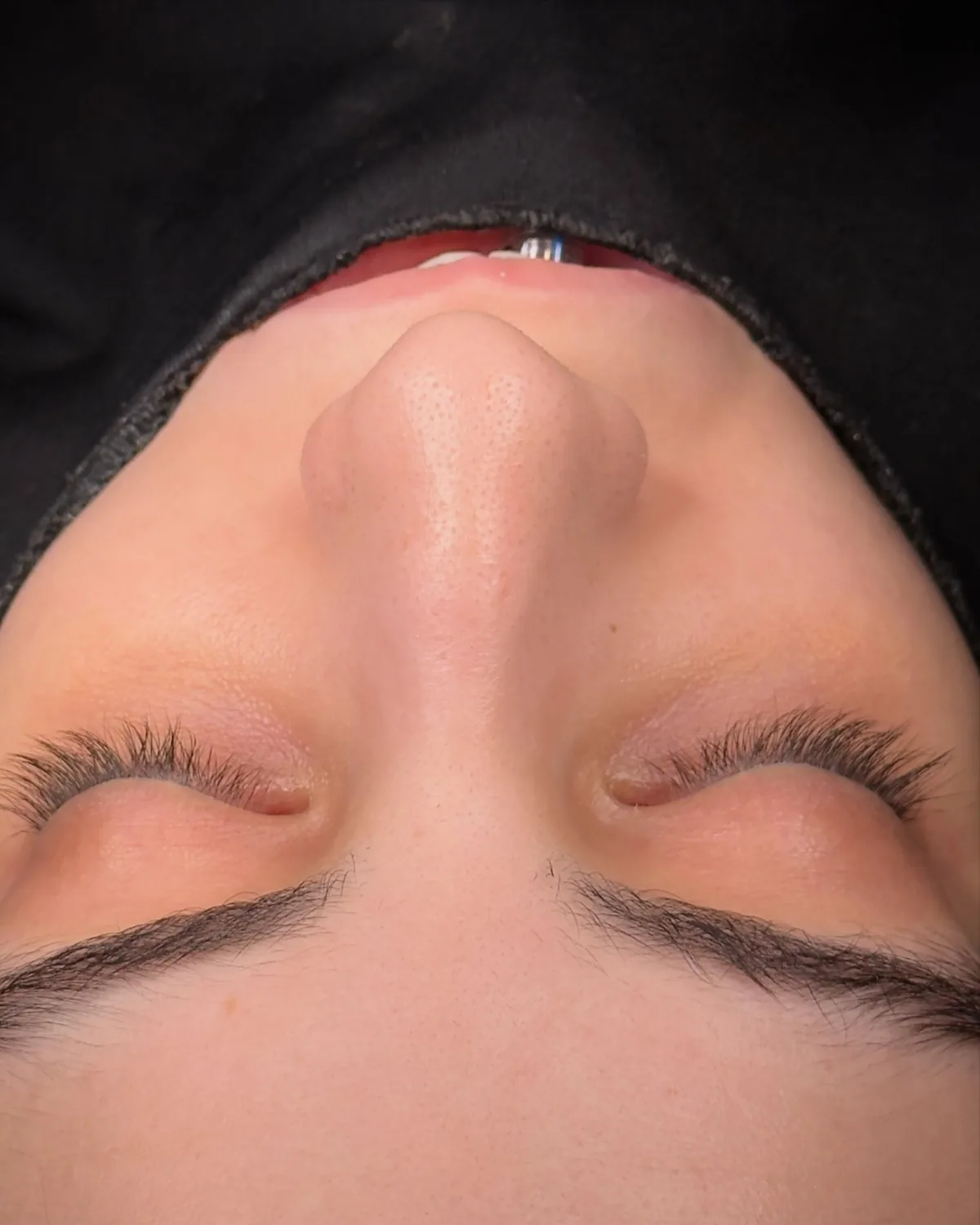
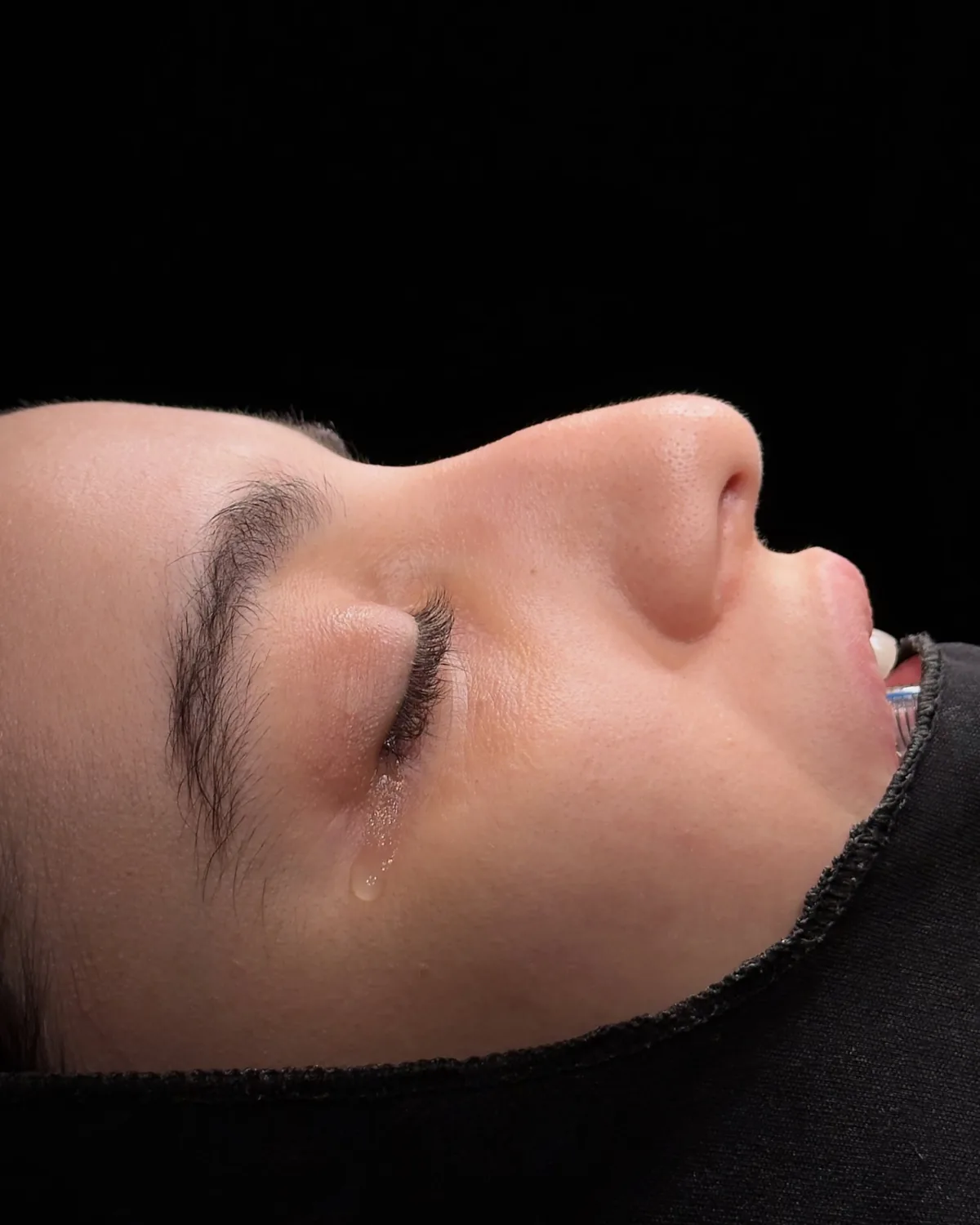
Can a Nasal Hump Be Removed Without Changing the Nose Tip?
Yes, it can, and some patients only want the hump gone. If your tip already looks good and fits your face, there is no reason to change it for the sake of it.
That said, it is worth knowing why surgeons sometimes recommend small tip adjustments. The nose works as a single unit. When a hump is lowered, the tip can suddenly look more prominent, more droopy or slightly out of proportion with the new straighter bridge. A small refinement, such as lifting the tip by a few degrees, can make the final result look more natural.
The best way to decide is during consultation, ideally with photos and simulations of your profile. A good surgeon will tell you honestly if hump removal alone will look balanced or if a subtle tip change would help.
Nasal Hump Removal Recovery Timeline
Every patient heals at their own pace, but most recoveries follow a similar pattern. For a broader overview, see our guide to the rhinoplasty recovery timeline.
- First 2 to 3 days: The nose feels blocked and there will be some swelling around the nose, cheeks and eyes. Bruising is common, especially if osteotomies were performed. Rest, keep your head elevated and use cold compresses as instructed.
- Around day 7: The splint is usually removed at about one week. This is often the first time you see the new profile, though it will still look swollen. Most patients feel ready for light activities and short walks.
- Weeks 2 to 3: Bruising fades and many people return to desk work and social life. The nose still looks puffy, but most people would not guess you had surgery.
- Weeks 4 to 6: Light exercise can usually start again, with gradual return to the gym after about six weeks. Contact sports should wait longer, as advised by your surgeon.
- Months 3 to 6: The majority of the swelling has gone and the profile looks clearly defined.
- Month 12: This is when you can expect to see the final result, particularly at the tip.
You will also need to avoid wearing glasses directly on the bridge of the nose for several weeks after surgery, as they can put pressure on the healing bones.
How Long Does Swelling Last After Nasal Hump Removal?
Swelling is the part of recovery that tests patience the most. The good news is that the bridge, where the hump used to be, tends to settle faster than other areas.
Roughly speaking, the most visible swelling eases within the first two to three weeks. By three months, most of it is gone, and the profile usually looks close to final. The remaining swelling, especially around the tip and the upper bridge, slowly disappears over the following months, with the final shape fully visible at around a year.
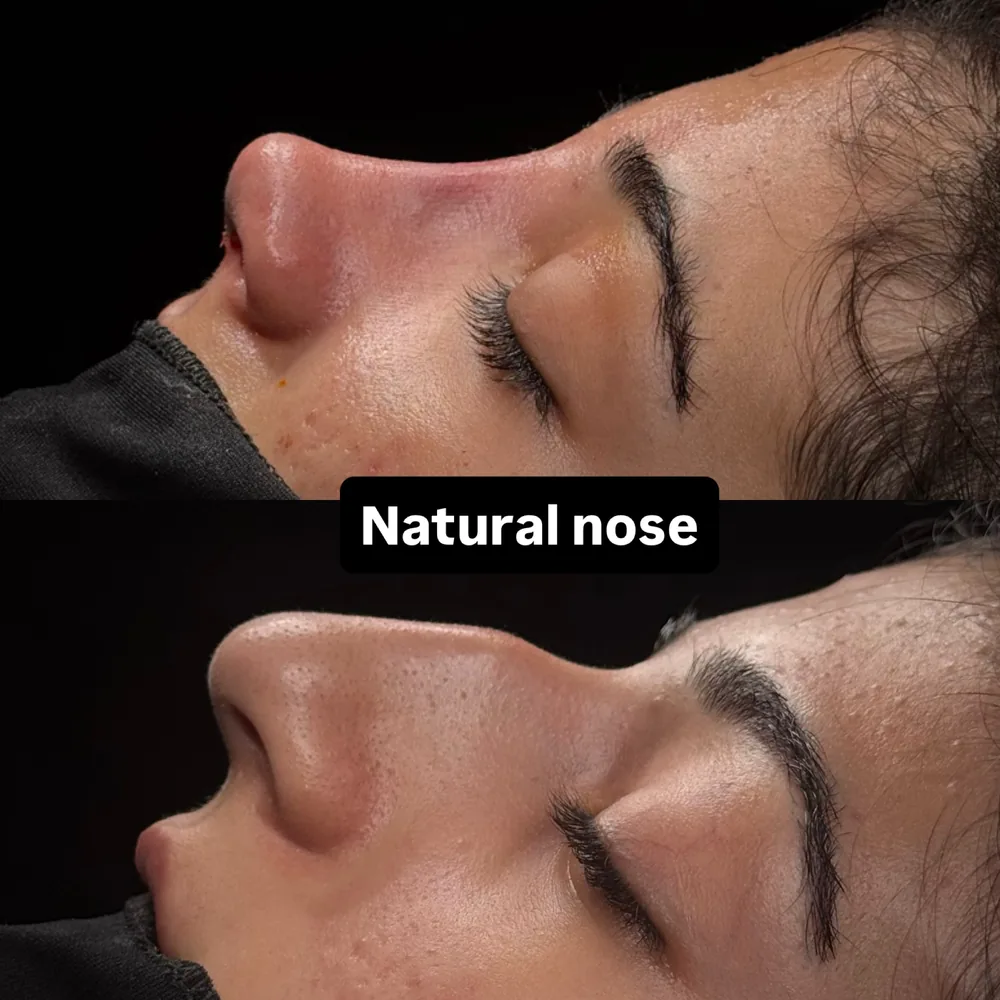
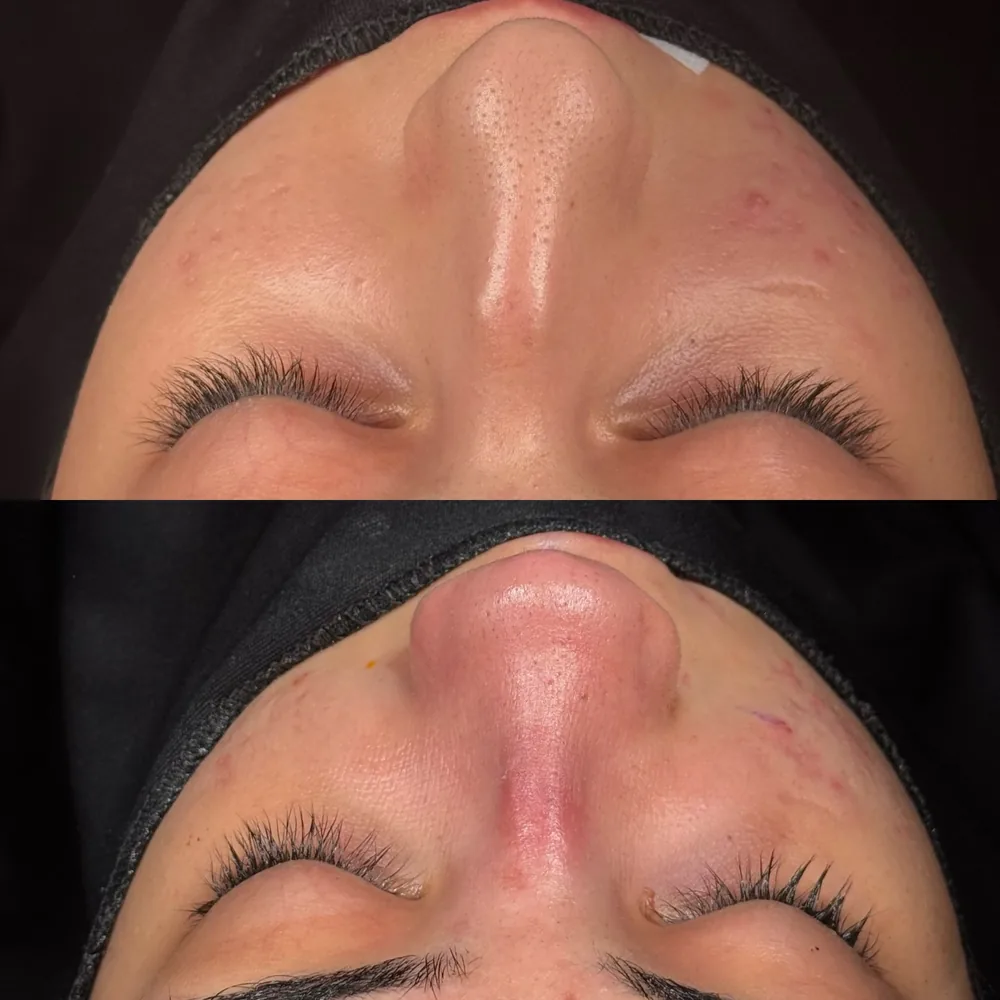
People with thicker skin often take longer to see full definition, because thicker skin holds swelling for longer. Following your aftercare instructions, avoiding salty foods in the early weeks, keeping your head elevated and protecting the nose from the sun all help the process along. You can read more about swelling after rhinoplasty in our separate guide.
Can a Nasal Hump Grow Back After Rhinoplasty?
Nasal hump removal is intended to produce a lasting change in the bridge of the nose. However, the profile can change during healing or later in life, and a bump or irregularity can sometimes become noticeable again.
There are, however, a few situations where a small bump can appear after surgery. Sometimes the body forms a little extra tissue or a small area of bone healing, known as callus, during recovery. In other cases, the cartilage part of the bridge was not lowered enough compared to the bone, or scar tissue builds up above the tip. A new injury to the nose can also change its shape.
These are uncommon when the surgery is planned and performed carefully, and many minor irregularities can be improved with simple measures or, if needed, a small touch-up procedure once healing is complete. This is one reason surgical experience matters so much. Careful, balanced reduction of both bone and cartilage is the best protection against a hump reappearing.
Nasal Hump Removal Results: What to Expect
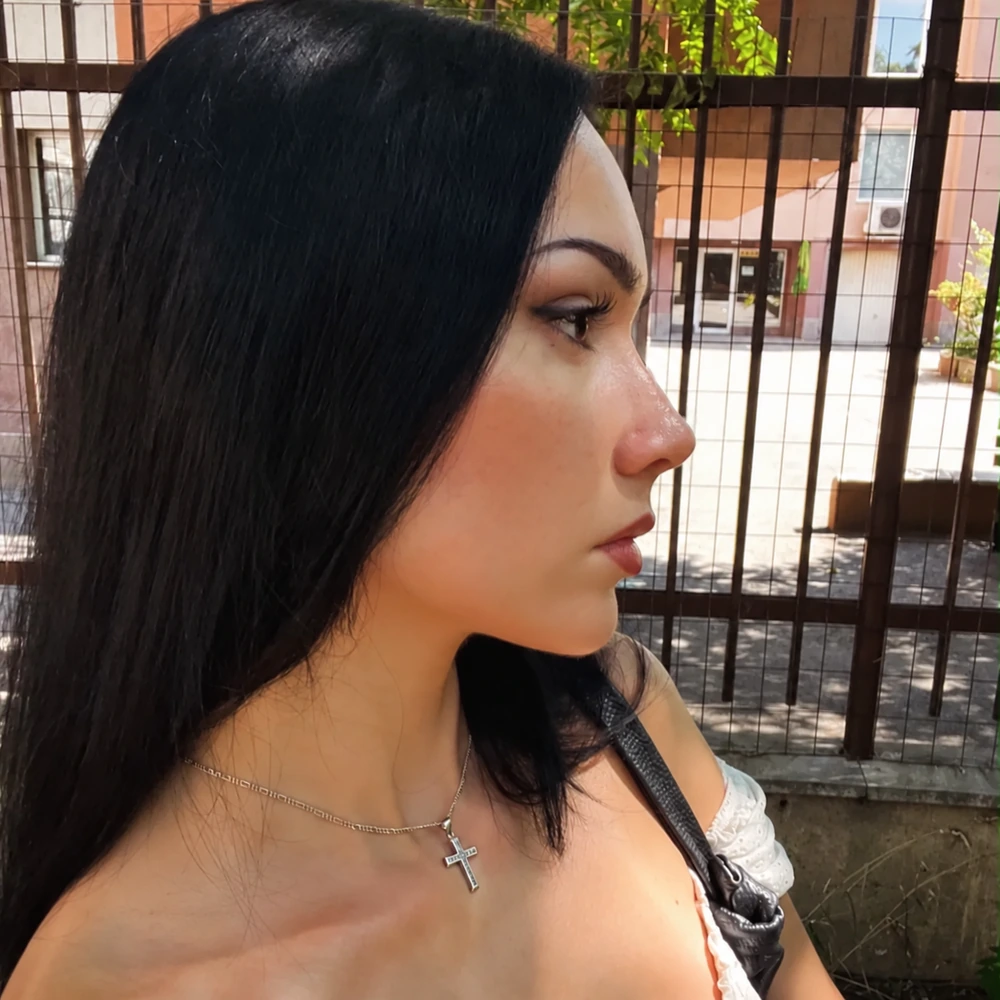
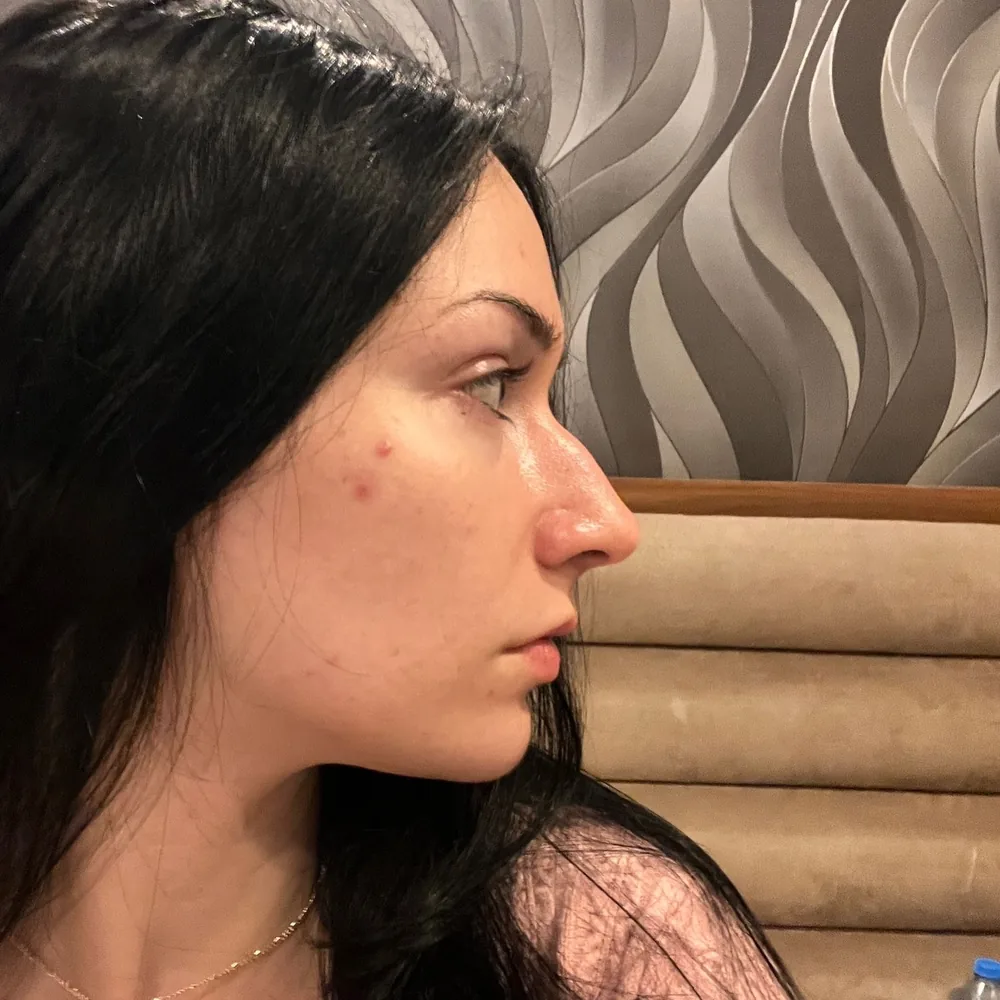
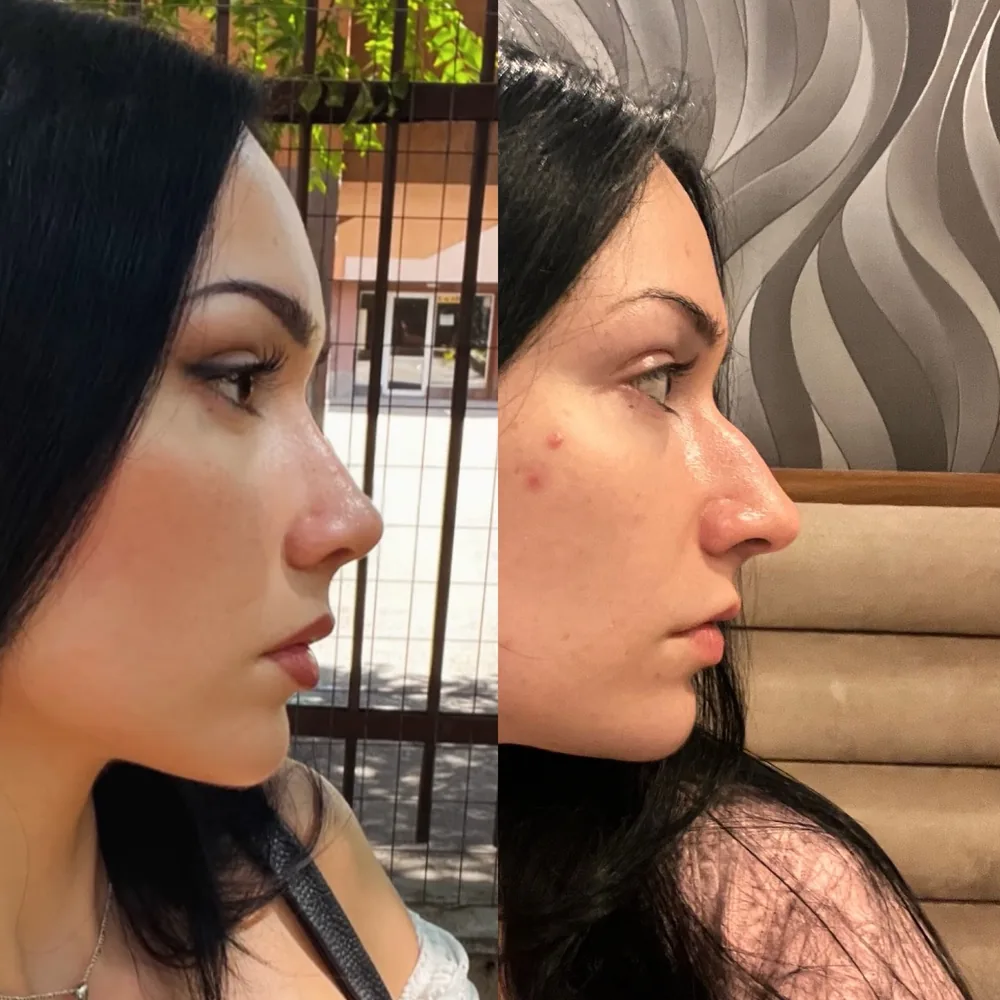
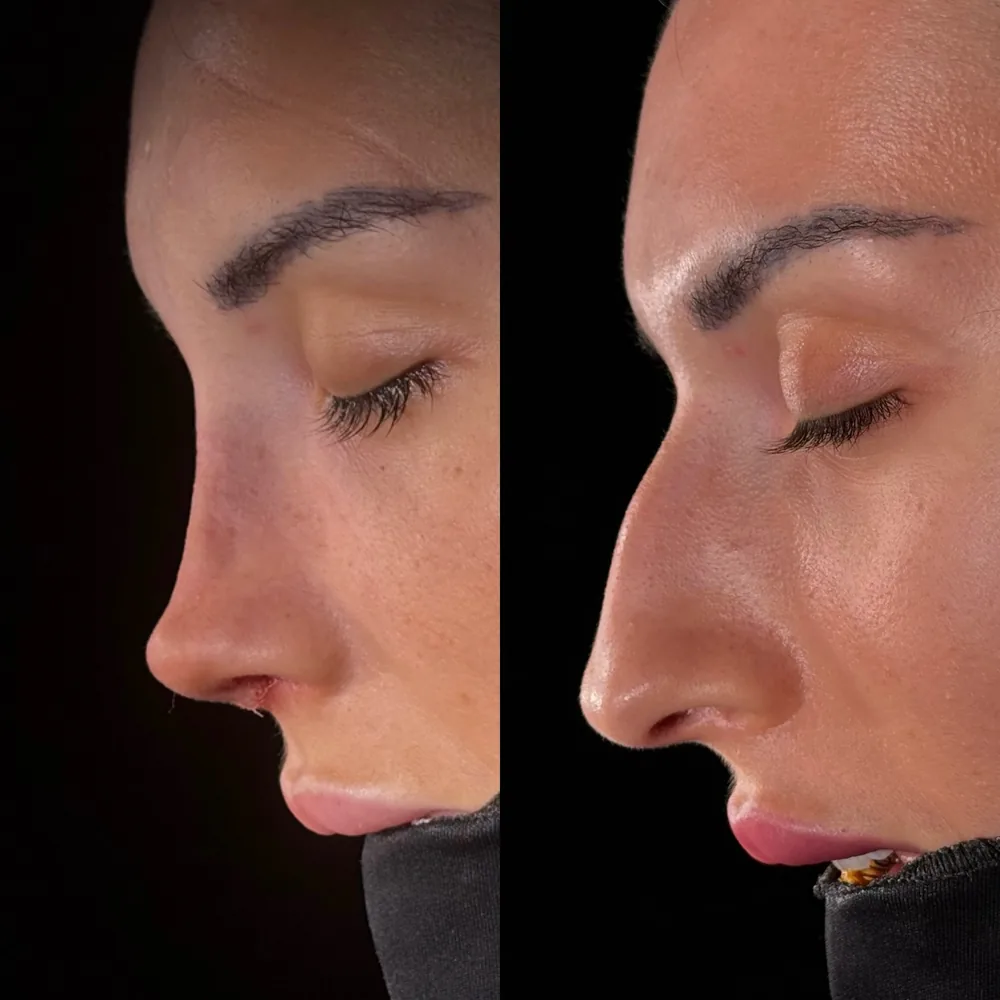
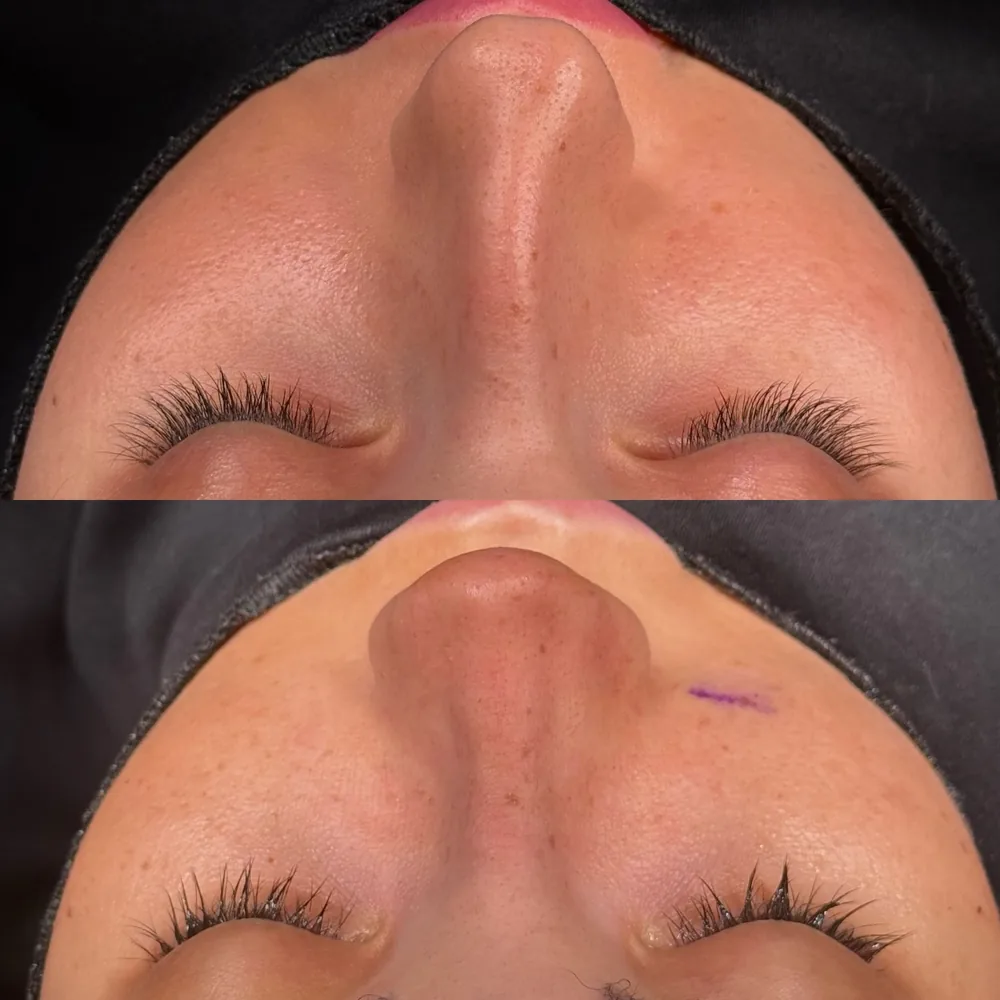
A successful hump removal should not make the nose look operated on. The aim is a straight, smooth bridge that looks as though it has always been that way. The best results are often the ones friends and colleagues struggle to put their finger on. People notice you look different, but they are not sure why.
Most patients notice that their profile looks softer and more balanced, and that the eyes and lips seem to stand out more once the hump is no longer the focal point of the face. Photos from the side stop being something to avoid.
It is equally important to be realistic. Surgery improves the shape of your nose, but it will not produce a nose copied from a photo of someone else. Your skin thickness, bone structure and facial features all shape the outcome. A natural result is one that suits your face, and that is what a good surgeon will aim for.
If you also have breathing problems caused by a deviated septum or enlarged turbinates, these can often be corrected in the same operation. Many patients are pleasantly surprised to find they breathe better after surgery as well as liking the way their nose looks.
Nasal Hump Removal in Antalya, Turkey
Antalya has become one of the most popular destinations in Turkey for rhinoplasty in Antalya, and it is easy to see why. Patients can combine experienced surgical care with a city that is comfortable, well connected by international flights and genuinely pleasant to recover in.
At our clinic in Antalya, nasal hump removal is planned around your face, not a template. Op. Dr. Ümit Küçüktepe is an ENT specialist, which means the function of the nose is considered alongside its appearance. Removing a hump should never come at the cost of breathing, and checking the septum and airway is part of the planning from the start.
The process usually begins with an online consultation. You share photos of your nose from the front and side, explain what bothers you and ask any questions you have. From there, you receive an assessment and a recommended plan. For international patients travelling to Antalya, a stay of around seven to ten days is generally enough to cover the pre-operative check, surgery and splint removal before flying home.
If a hump on your nose has been bothering you for years, a consultation is a simple first step. You do not have to commit to anything. It is simply a chance to find out what is possible for your nose and whether surgery is the right choice for you.
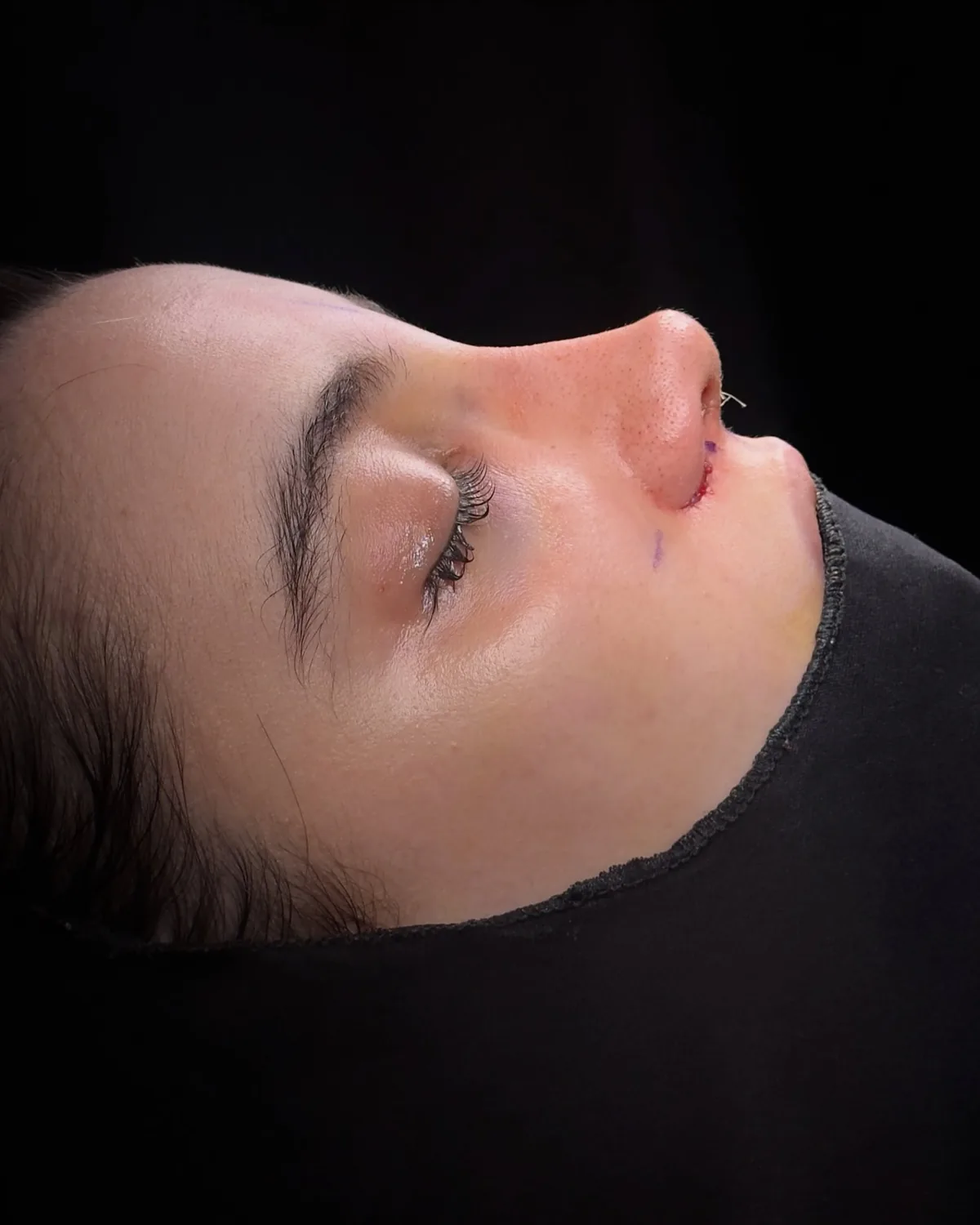
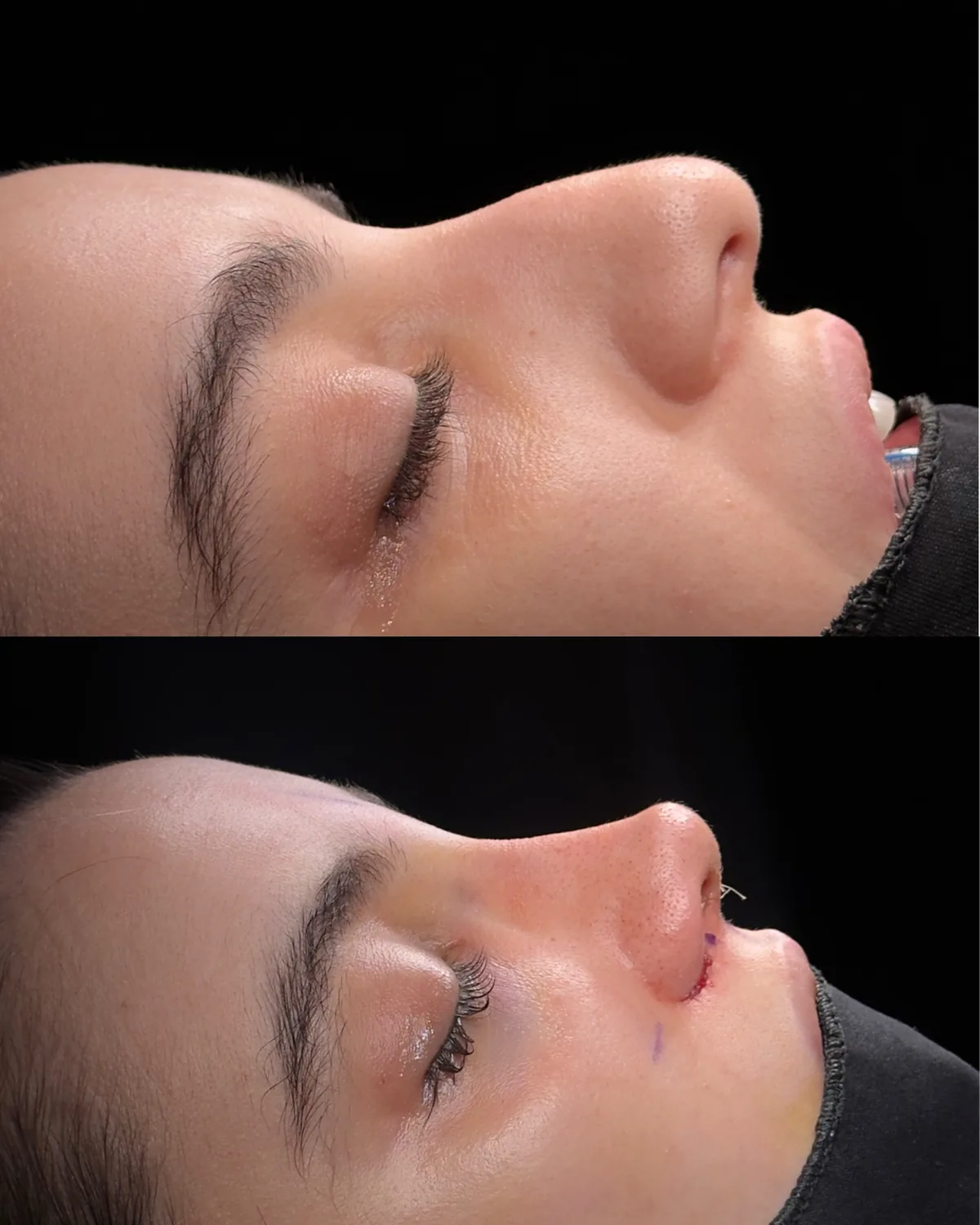
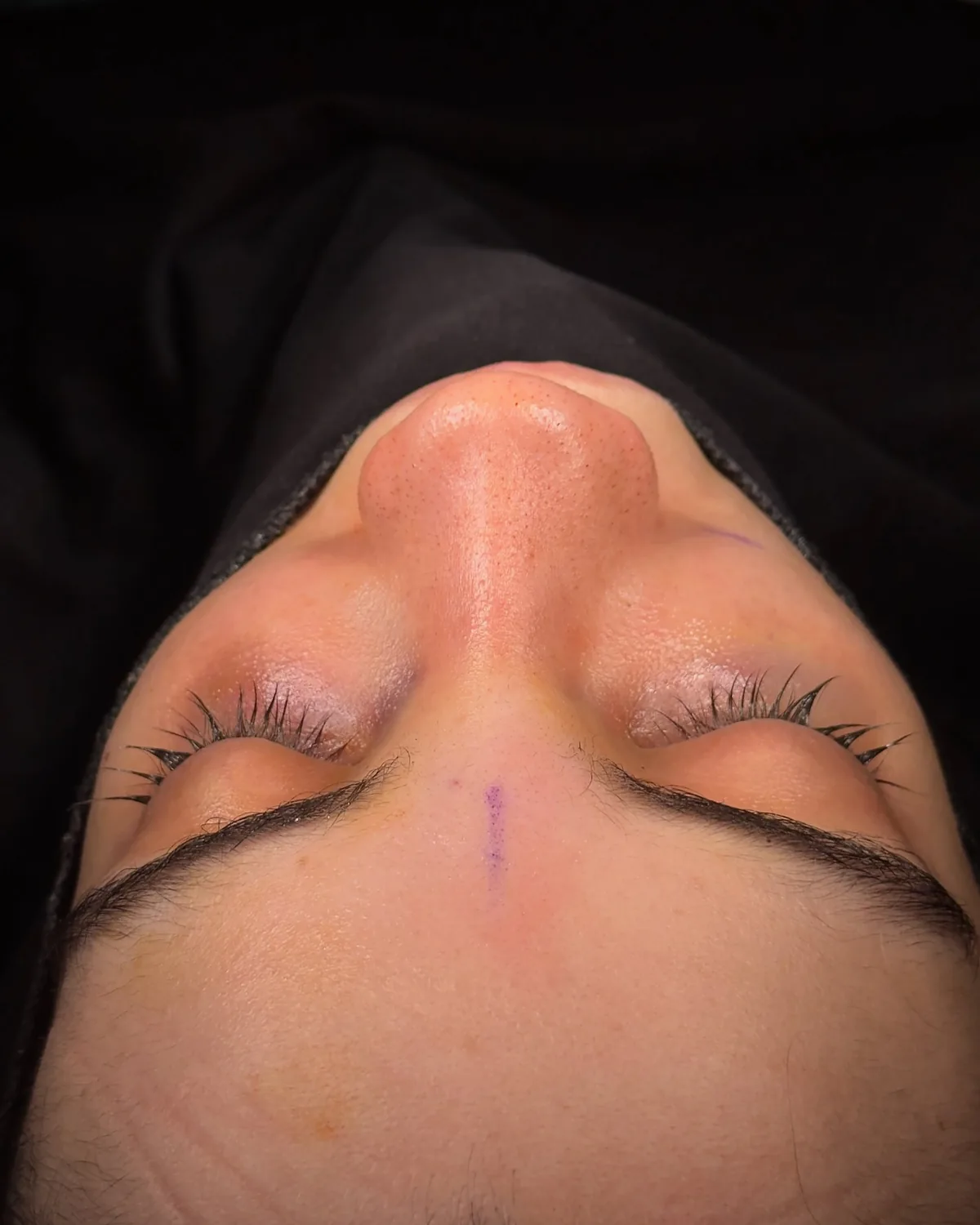
Clinical photographs illustrate individual cases. Results vary; ask which procedure was performed and how long after surgery each photograph was taken when discussing your own treatment.
Frequently Asked Questions
It is a real operation performed under general anaesthesia, so it should be taken seriously. That said, it is a very common and well-established procedure, usually lasting two to three hours. Most patients go home the same day or after one night, and return to normal daily life within two weeks.
For small humps, often yes. A small bony hump can sometimes be gently rasped down without osteotomies (cuts used to reposition the nasal bones). Surgical incisions are still needed to access the area. Larger humps usually need osteotomies to narrow the bridge and close the gap left after removal. These are controlled, precise bone cuts rather than a "break", and piezo instruments make them even more refined.
Nasal hump removal is intended to produce a lasting change. However, healing-related bone changes, scar tissue, residual cartilage or a new injury can create a bump or irregularity later. Natural ageing can also change the appearance of the nose.
Most patients are surprised by how manageable it is. The main complaint in the first days is usually a blocked nose and a feeling of pressure, rather than sharp pain. Standard pain relief is generally enough, and discomfort eases noticeably within a few days.
Hump removal is itself a form of rhinoplasty, but it does not have to involve changing the whole nose. If your tip and nostrils are already in good shape, the surgery can focus only on the bridge. Your surgeon will advise if a small tip adjustment would make the result look more balanced.
The splint comes off after about a week, bruising fades within two to three weeks and most people feel socially comfortable at that point. Most swelling settles by three months, and the final result is usually visible at around twelve months.
Reviewed by Op. Dr. Ümit Küçüktepe, ENT and Head & Neck Surgery Specialist. Published: . Updated: .