
In rhinoplasty, suitability is determined not only by the individual’s desire for the procedure but also by the combined evaluation of several medical factors. To summarize briefly: anyone whose nose has finished developing, who is in good overall health, and who has realistic expectations is a suitable candidate for this surgery.
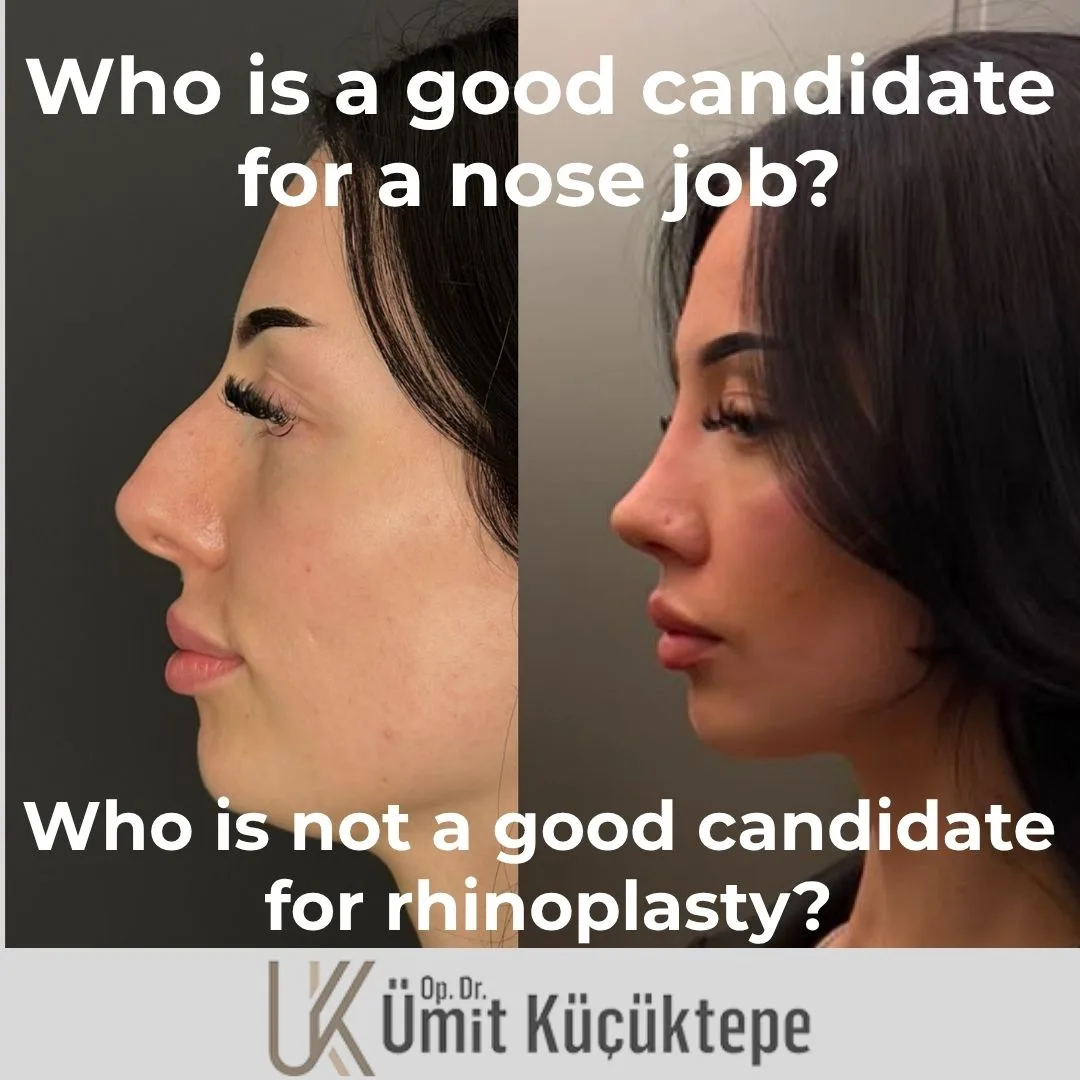
People who are unhappy with the appearance of their nose or experience breathing difficulties are often good candidates for rhinoplasty. Conversely, surgery is not recommended for individuals with uncontrolled chronic illnesses, bleeding disorders, or whose nasal development is still ongoing. A definitive decision about suitability can only be made after a thorough consultation with an experienced surgeon.
Who is a good candidate for a nose job?
The best candidates for rhinoplasty are individuals whose noses have fully developed and who are in good overall health. It is generally performed on patients in the following groups:
- Those with structural concerns such as a nasal hump, a drooping tip, a wide nose, or a deviated nose,
- Those whose nose is disproportionate to their facial features,
- Those who have difficulty breathing and experience nasal congestion,
- Those whose nose has been deformed as a result of an accident or trauma,
- Those who are dissatisfied with the results of a previous surgery and wish to have it corrected.
The most important factors are being in good overall health and having realistic expectations about the outcome of surgery.
What is the most common reason for rhinoplasty?
Most requests for rhinoplasty are based on two main reasons:
- Appearance
- Breathing difficulty
In addition to aesthetic concerns such as a humped nose, a drooping nasal tip, or a wide or crooked nose, issues that make breathing difficult—such as a deviated septum and enlarged turbinates—can also be corrected during the same surgery. For this reason, rhinoplasty is chosen not only for aesthetic reasons but also to enable healthy breathing.
Who is not a good candidate for rhinoplasty?
In some cases, surgery may be postponed or not recommended at all. The main conditions that preclude rhinoplasty or require further observation are as follows:
- Children and adolescents whose noses have not yet fully developed,
- Individuals with uncontrolled diabetes, high blood pressure, or heart disease,
- Individuals taking blood thinners or those with bleeding disorders,
- Individuals with an active infection (sinusitis, skin infection),
- Individuals with unrealistic expectations or who expect an entirely different facial appearance,
- Individuals with body dysmorphic disorder.
Most of these conditions are relative contraindications. Generally, the underlying issue is treated first, and surgery can be scheduled once the patient’s health condition is suitable.
Rhinoplasty surgery for teenagers
Rhinoplasty in teenage patients requires a more cautious approach than in adults, largely because facial growth—including the nose—often isn't fully complete until the mid-to-late teens. For this reason, most surgeons prefer to wait until at least 16 or 17 for girls and slightly later for boys and will typically confirm that growth has stabilized before considering surgery. Beyond the physical timing, motivation matters a great deal: reputable surgeons will usually want to understand whether the request is coming from the teenager themselves, driven by a specific, well-considered concern (like a breathing problem or a feature they've been unhappy with for a long time), rather than from social pressure, a parent's preference, or a hope that the surgery will resolve unrelated self-esteem issues. Because the results are permanent and the procedure is technically demanding, a thorough consultation — one that covers realistic expectations, potential risks, and includes the family in the decision-making process — is especially important before any teenager proceeds with rhinoplasty.
Can I get a rhinoplasty while breastfeeding or during pregnancy?
Cosmetic nose surgery is not performed during pregnancy or while breastfeeding. Since anesthesia and certain medications are not recommended during this time, the surgery is postponed. The procedure can be safely considered once pregnancy and breastfeeding have ended, provided the patient is medically fit for surgery.
Male Rhinoplasty
Although the basic requirements are the same, nasal development in men is completed slightly later, and the goal is to preserve masculine facial features while achieving a natural-looking result. For more information, please click here.
Whether a person is suitable for surgery can only be determined with certainty through a consultation. If you are unhappy with the appearance of your nose or experience breathing difficulties, you can contact Dr Ümit Küçüktepe in Antalya, Turkey, to discuss whether rhinoplasty is the right option for you.
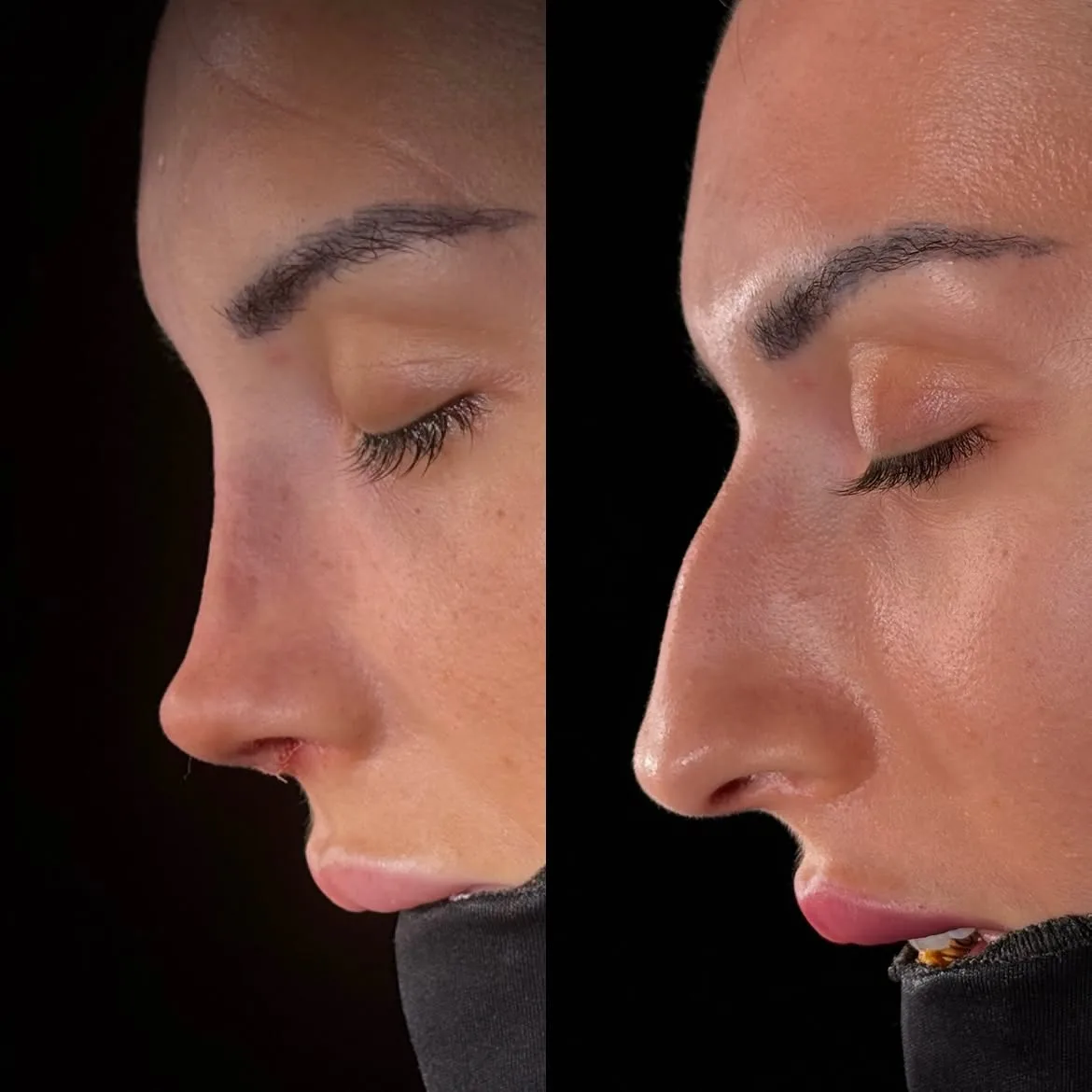
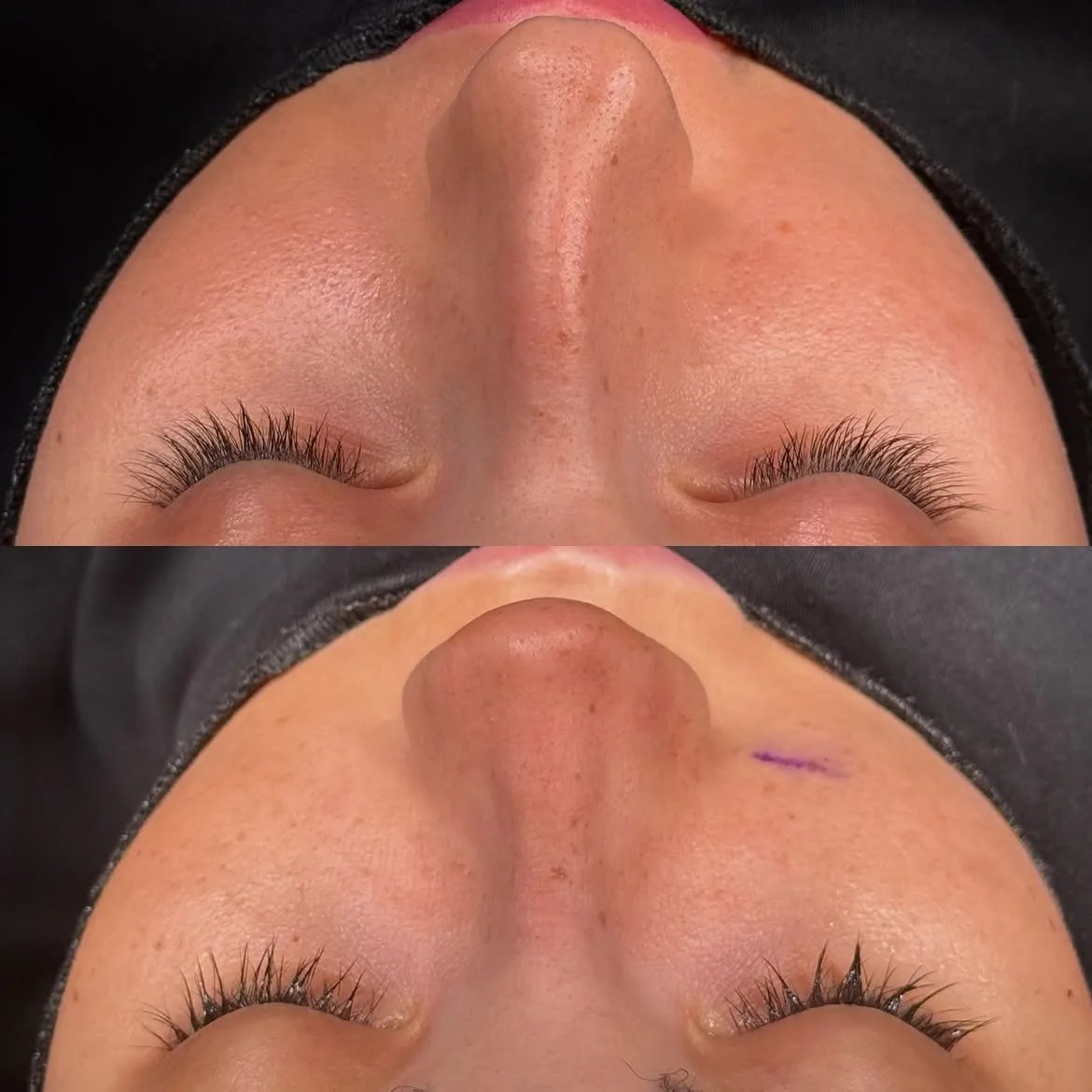
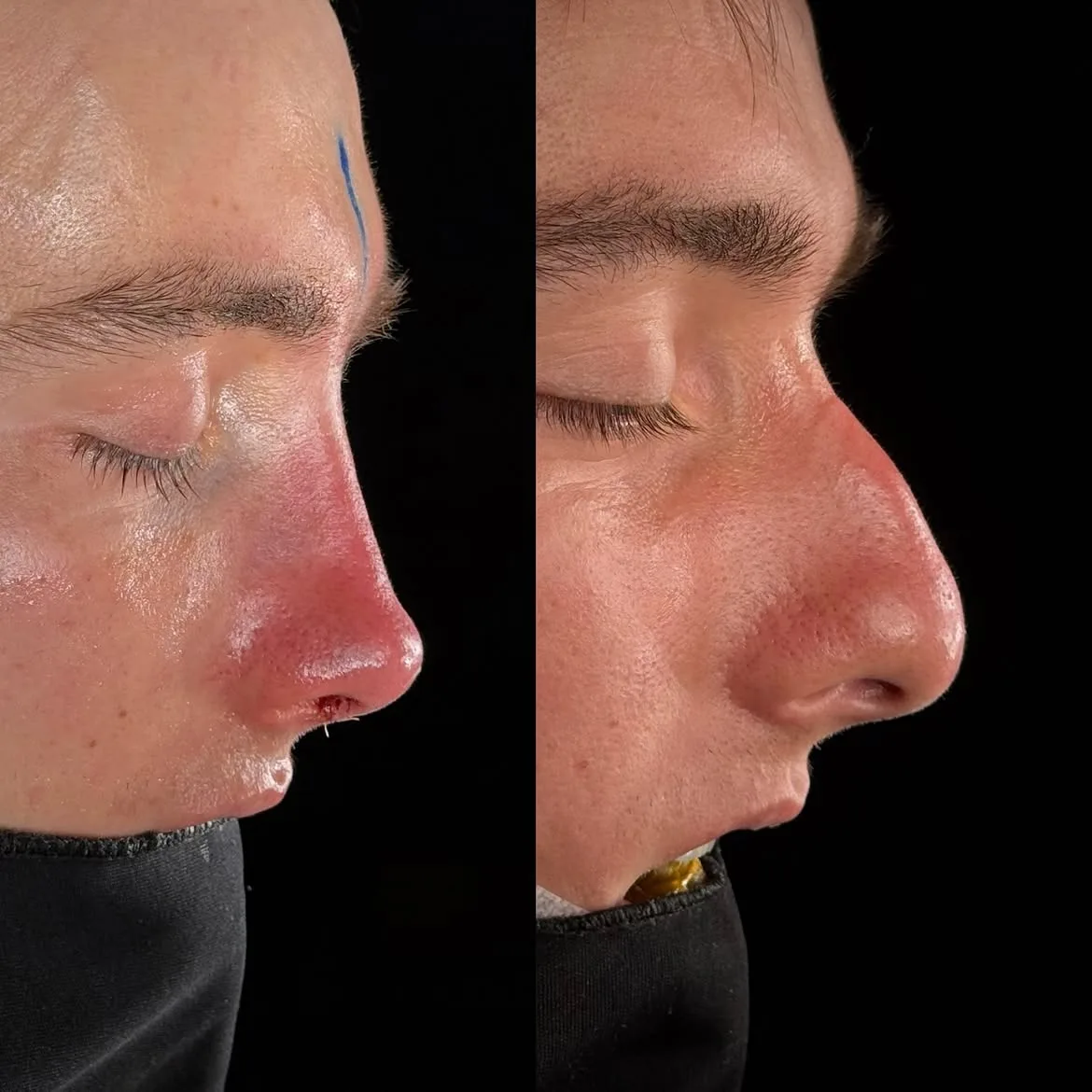
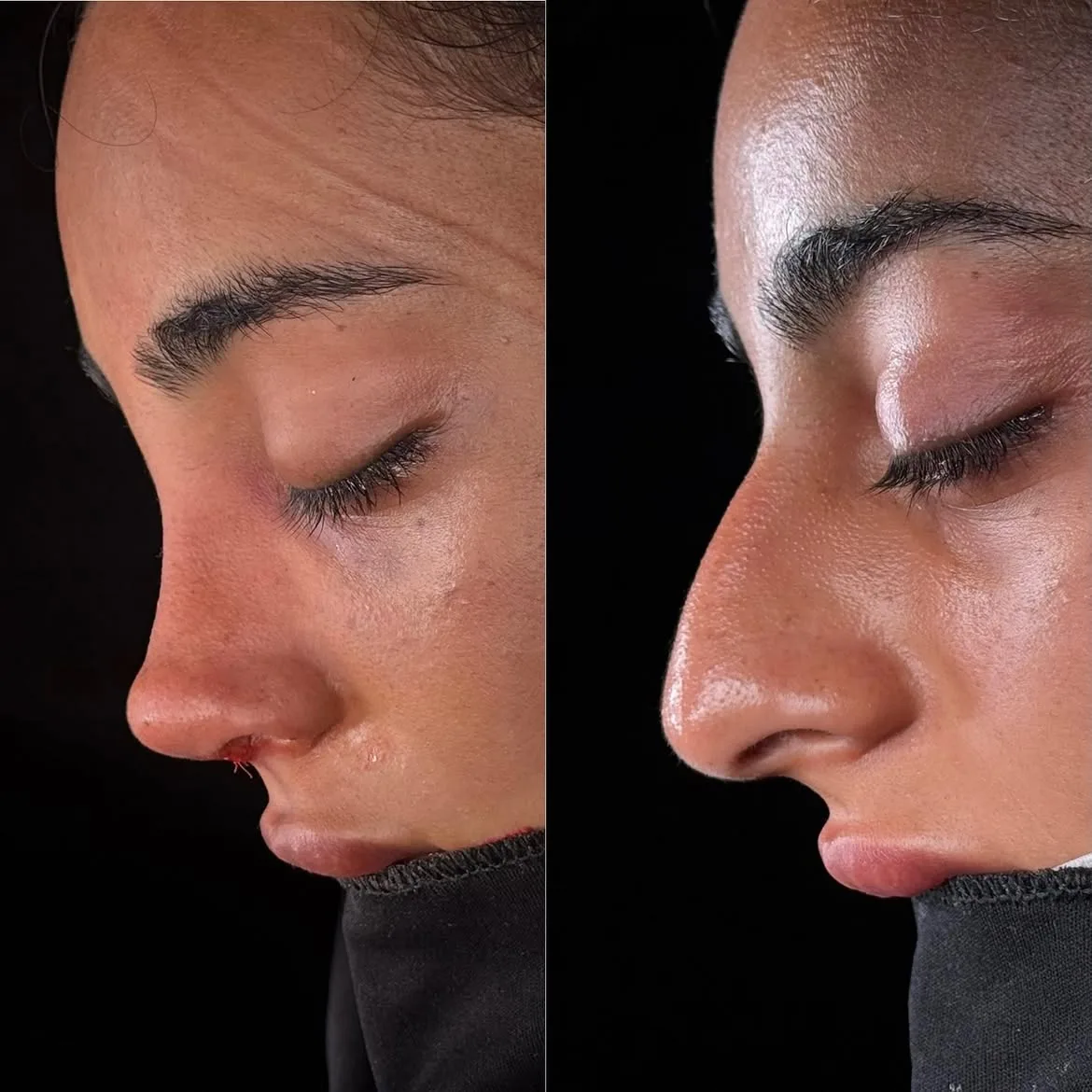
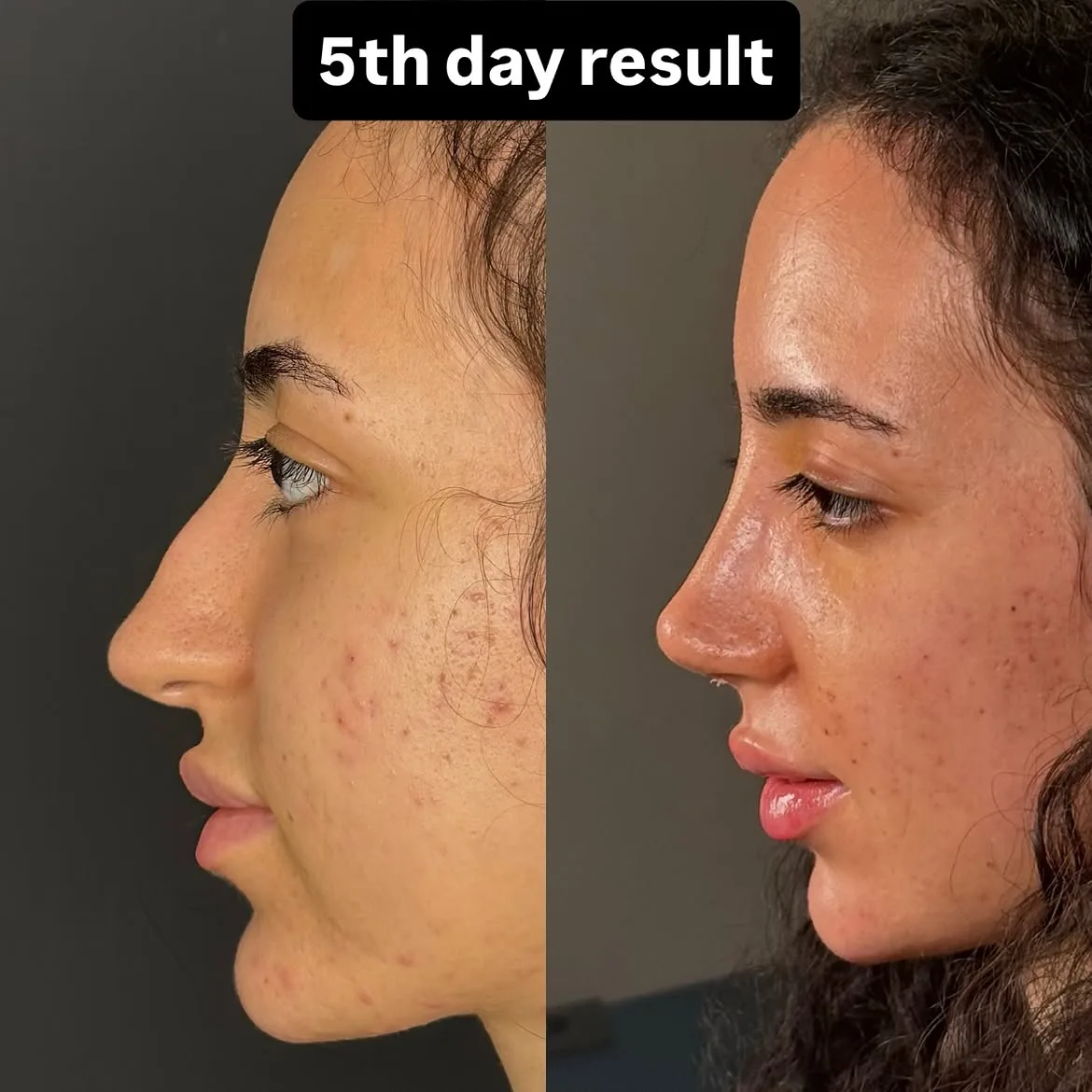
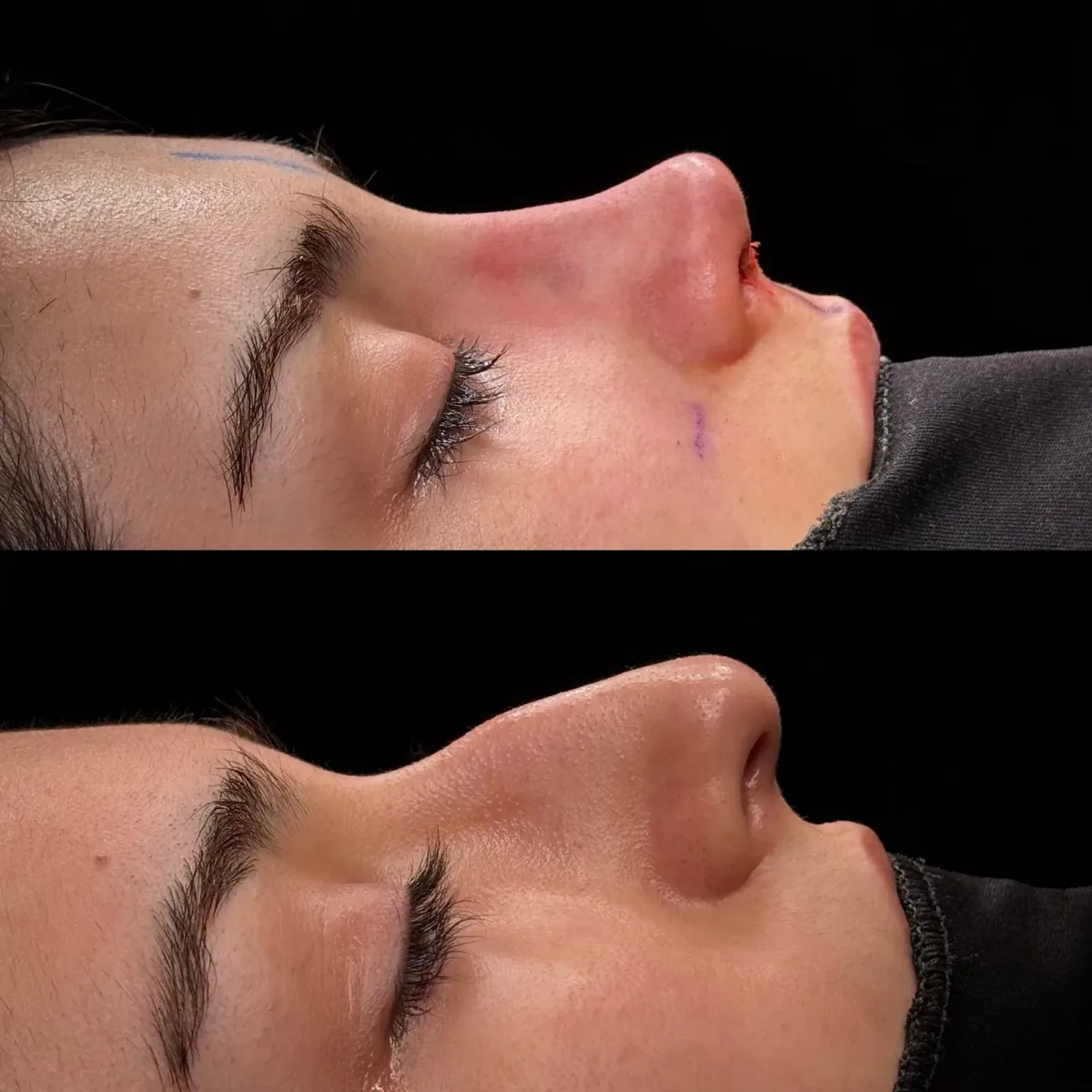
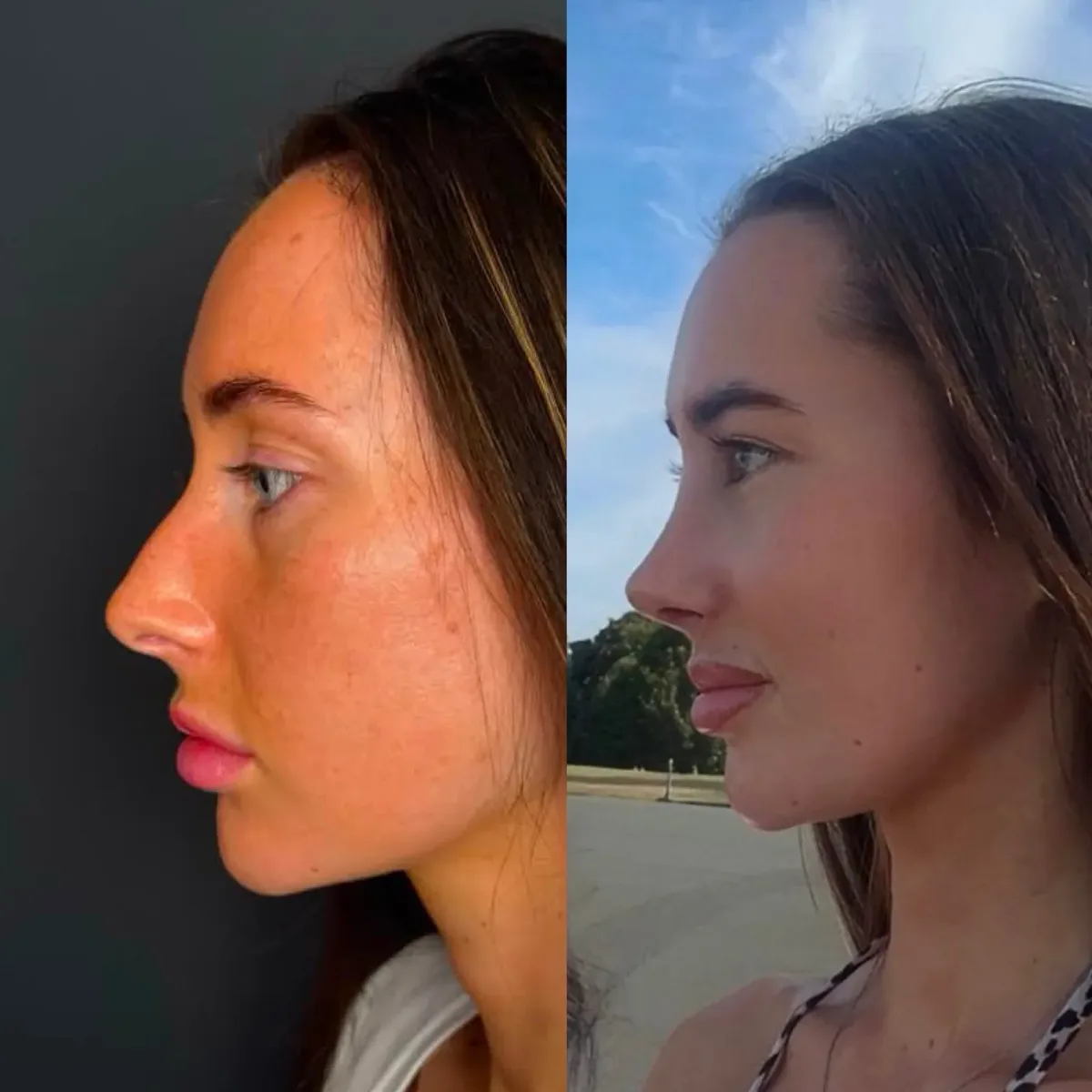
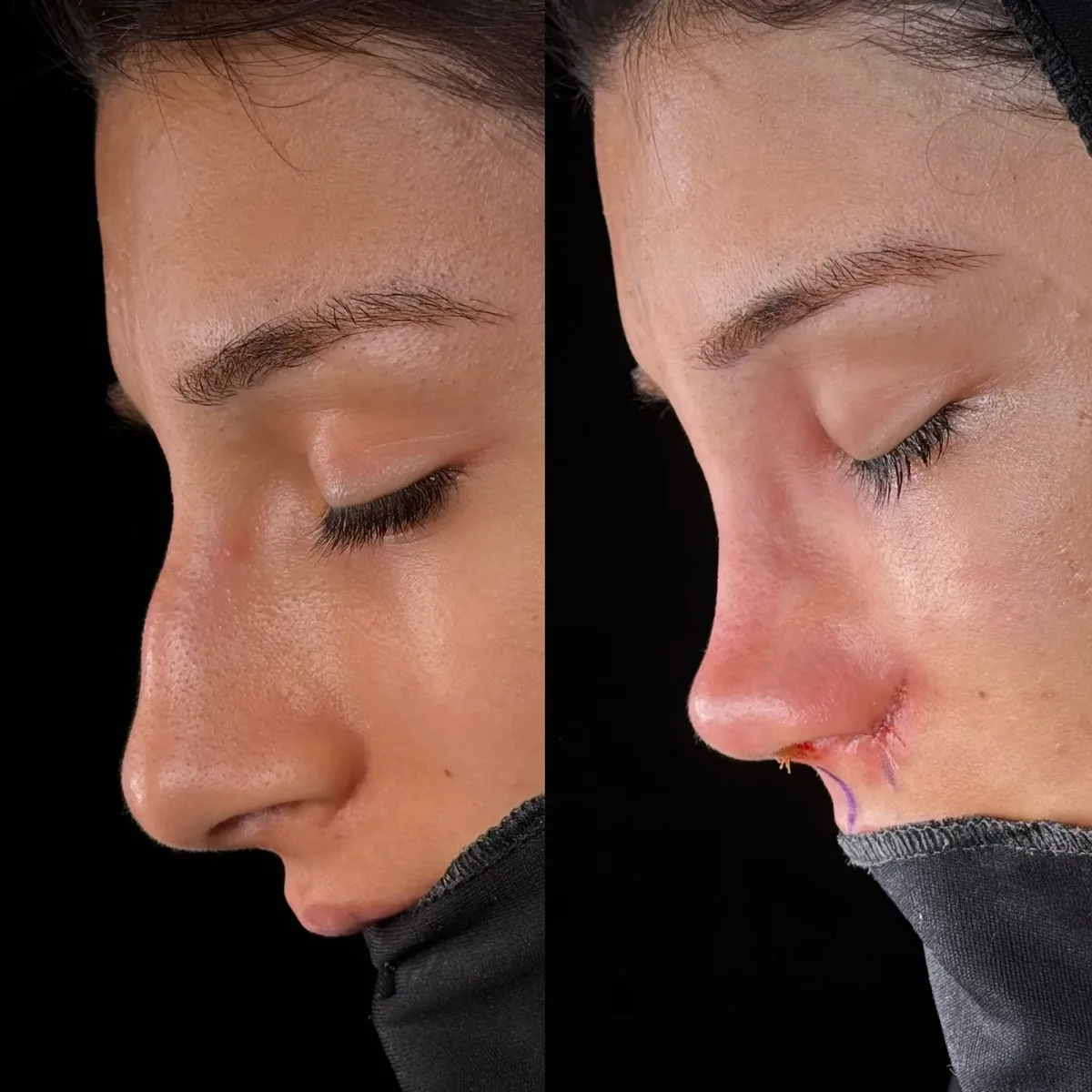
Nose Job Before and After in Turkey, Antalya
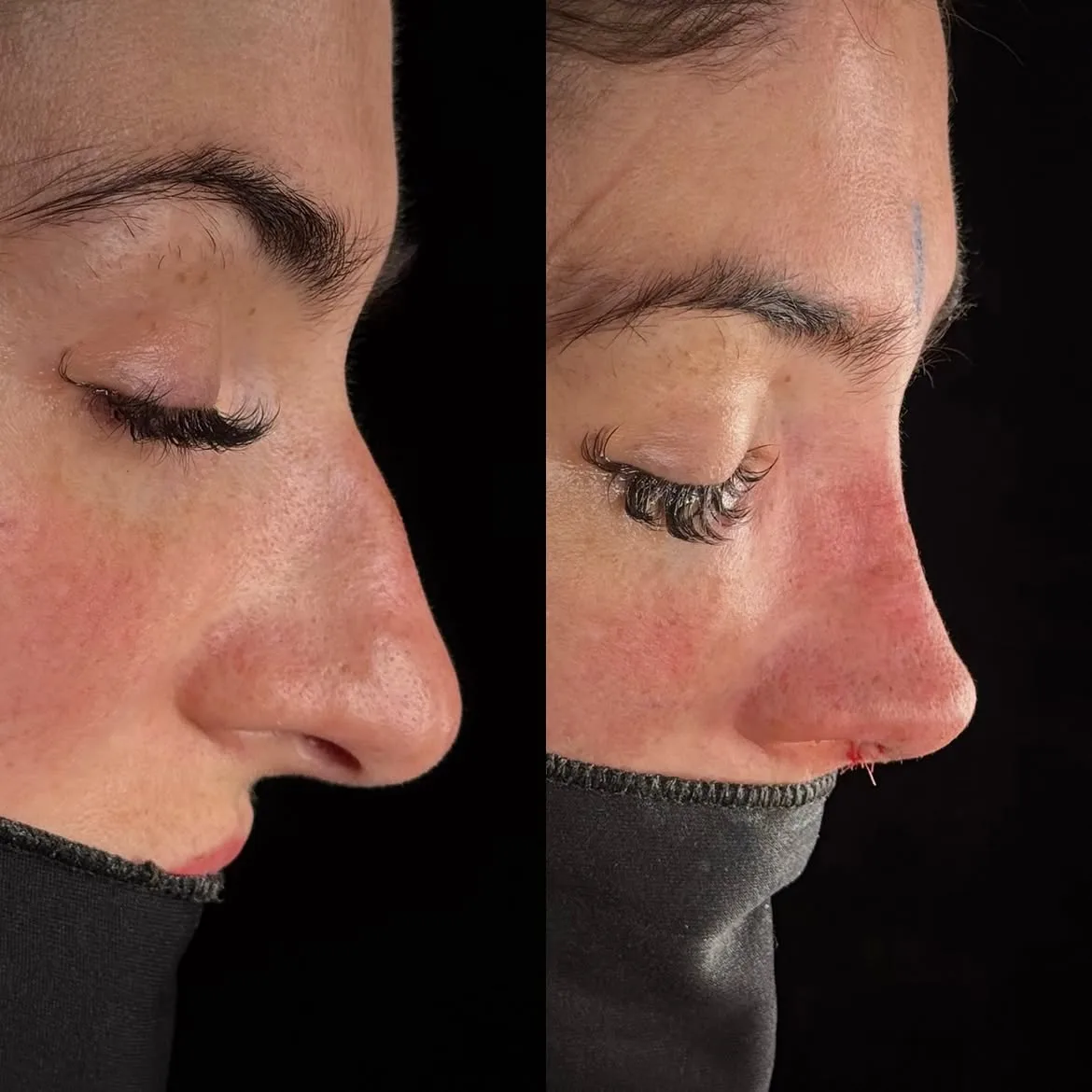
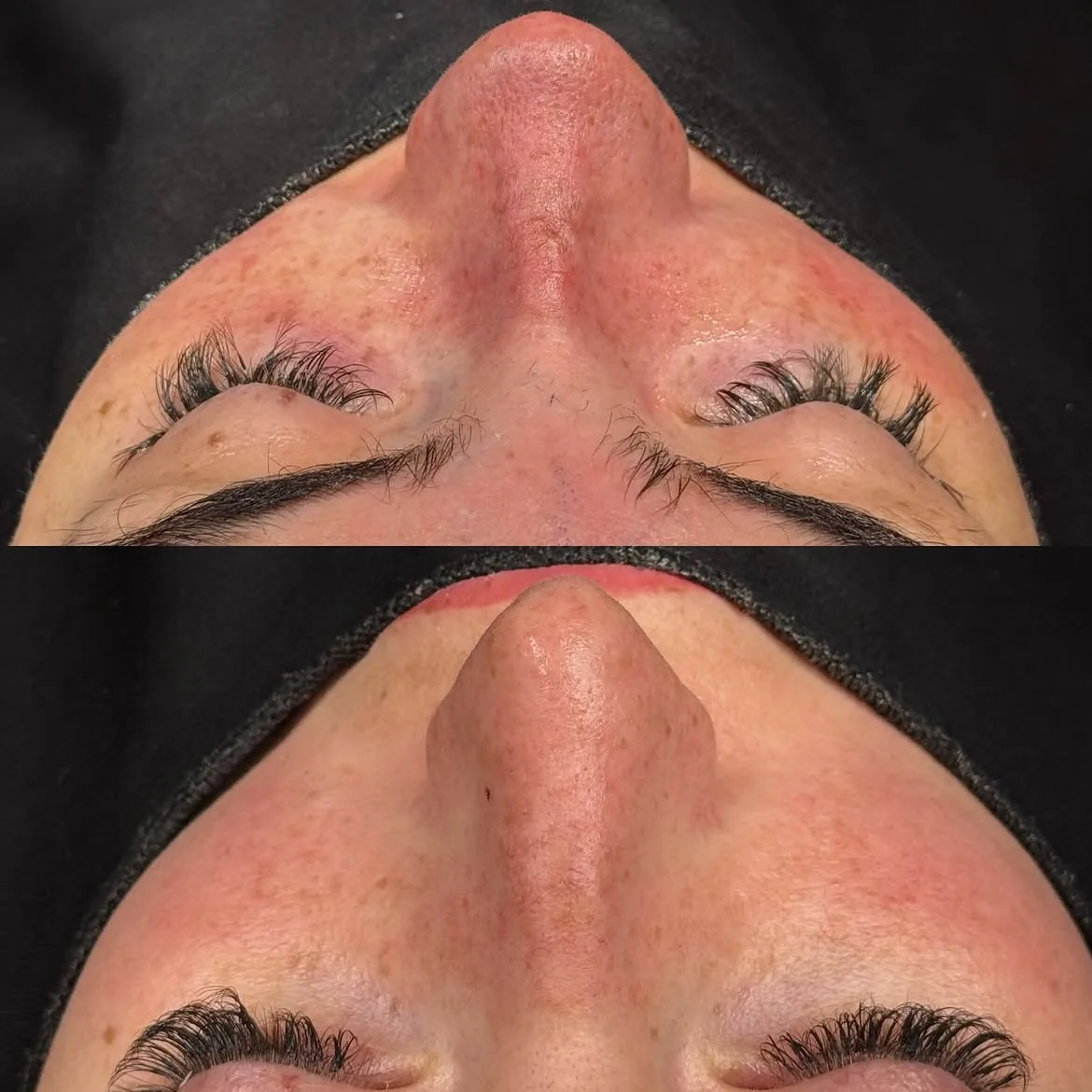
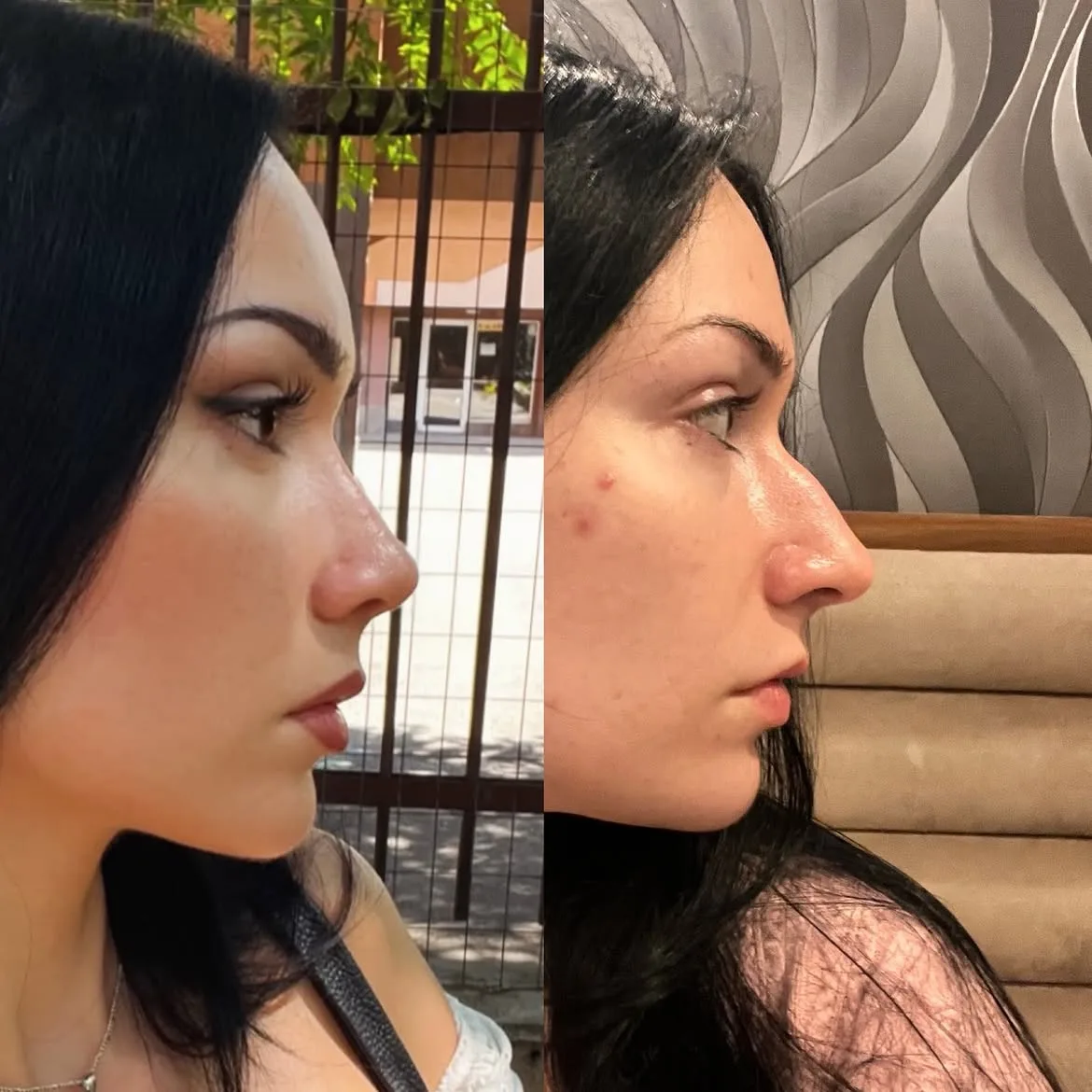
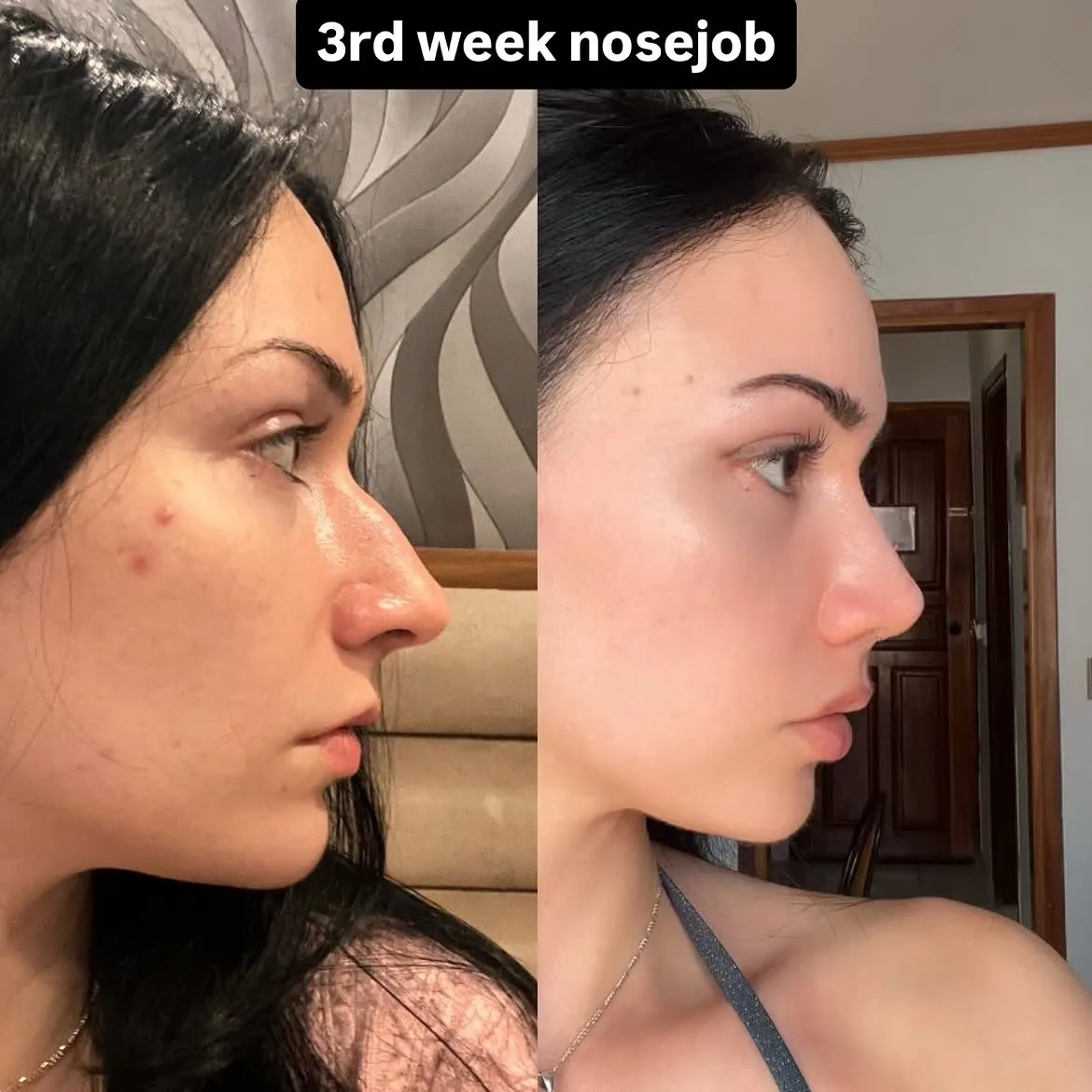
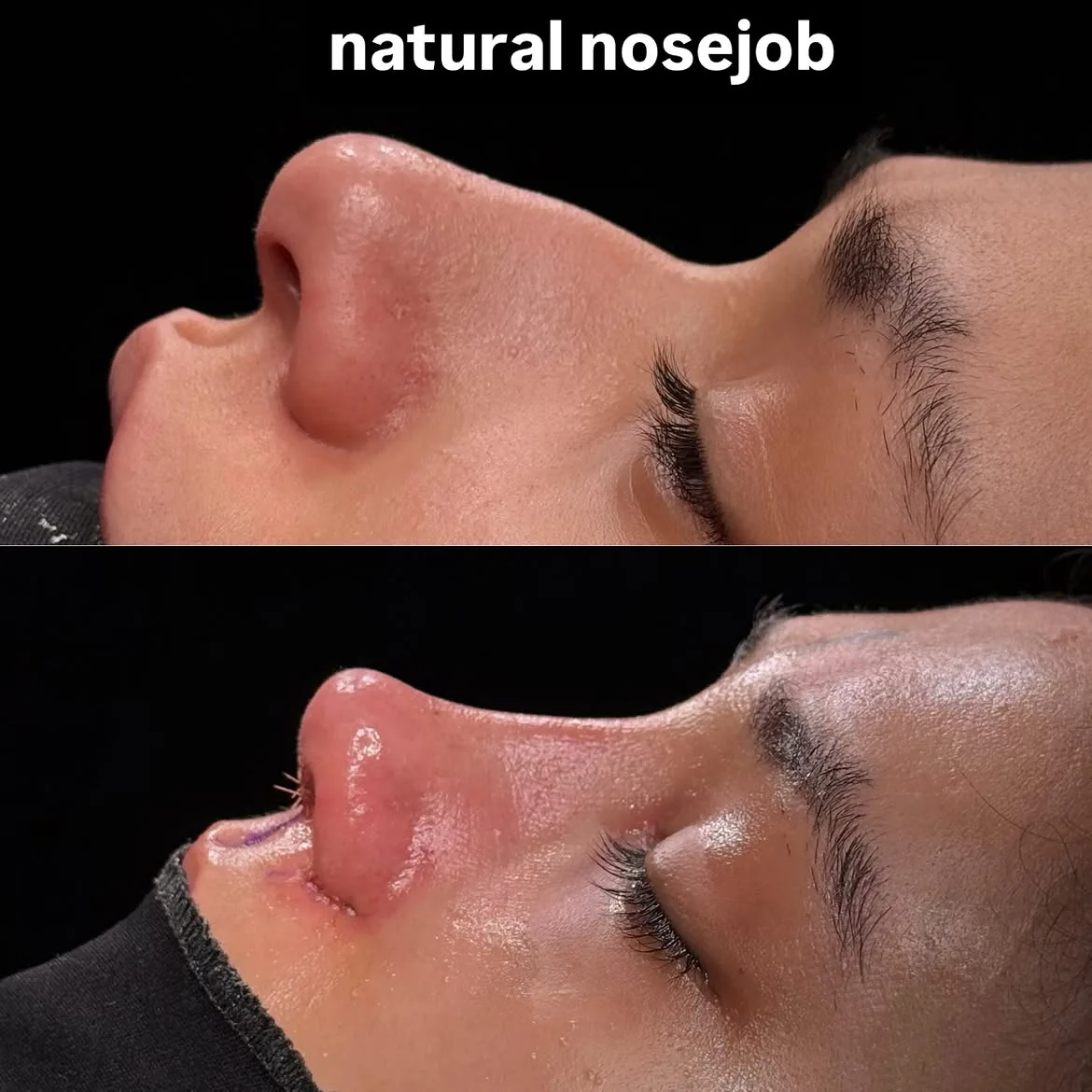
Can anyone get a nose job?
Not quite — while rhinoplasty is one of the more commonly performed cosmetic procedures, candidacy depends on a few key factors: overall health, realistic expectations, nasal and facial development being complete, and the absence of certain medical conditions that could complicate healing. The only reliable way to determine candidacy is through a consultation with a qualified rhinoplasty surgeon.
Who should avoid rhinoplasty?
Rhinoplasty is generally not recommended for people with uncontrolled chronic illnesses (such as poorly managed diabetes or heart disease), active infections, bleeding or clotting disorders, or those who are unwilling to stop smoking before and after surgery, as smoking significantly slows healing. It is also usually discouraged for people with unrealistic expectations or those seeking surgery to satisfy someone else's wishes rather than their own.
Can older adults have rhinoplasty?
Yes—there's no strict upper age limit for rhinoplasty. Many patients successfully undergo rhinoplasty in their 60s and even later in life. The bigger consideration at an older age is general health and healing capacity rather than age itself, since skin elasticity and recovery time can differ, and older patients may need a slightly more thorough pre-surgical health assessment.
Which medical conditions can delay rhinoplasty?
Certain conditions can mean postponing surgery until they're better managed, including uncontrolled high blood pressure, active sinus infections or allergies, blood clotting disorders, autoimmune conditions currently causing inflammation, and pregnancy. Surgeons will usually want these stabilized or resolved first, both to reduce surgical risk and to support proper healing afterward.
Am I too young or too old for rhinoplasty?
Age matters more on the younger end than the older one: surgeons typically wait until facial growth is complete, usually around 16-17 for girls and slightly later for boys, before operating. On the older end, there's no firm cutoff—what matters more is overall health and healing ability rather than a specific number. In short, being "too young" is a growth issue, while being "too old" is really a health issue.
Frequently Asked Questions
Rhinoplasty is performed on individuals whose noses have finished developing, who are in good general health, and who have realistic expectations. Suitable candidates include not only those with structural issues such as a hump, a crooked nose, a drooping tip, or a wide nose, but also patients who have difficulty breathing. The decisive factors are not chronological age but whether the nose has finished developing and the individual's general state of health. Definitive suitability is determined during a consultation.
Rhinoplasty is not recommended for children and young people whose nasal development is not yet complete, for those with uncontrolled diabetes, high blood pressure or heart disease, for those with a bleeding disorder, or for those with an active infection. The procedure is unsuitable for individuals with unrealistic expectations or body image disorders. In most of these cases, the underlying condition is treated first, after which the possibility of surgery is reassessed.
Rhinoplasty may be performed if diabetes or high blood pressure is well controlled and the patient's physician gives medical clearance. However, uncontrolled diabetes and high blood pressure increase the risks during the operation and recovery period. For this reason, it is recommended that these conditions be stabilised first and, if necessary, that the medication be adjusted. Suitability is determined following an anaesthetic assessment.
No. Cosmetic rhinoplasty is not performed during pregnancy or while breastfeeding. The anaesthesia and medications used during and after surgery are not recommended for the mother or baby during this period. It is advised to wait until pregnancy and breastfeeding are complete before considering rhinoplasty. Once this period has ended and the patient is medically suitable, the procedure can be performed safely.
Yes, smokers can undergo rhinoplasty. However, smoking reduces blood flow to the tissues and slows the healing process. Patients are usually advised to stop smoking several weeks before and after surgery to minimise the risk of complications and support proper healing. Avoiding smoking during recovery helps achieve the best possible results.
Cosmetic rhinoplasty is generally recommended once nasal growth is complete, which is usually around the age of 16–17 for girls and 17–18 for boys. Performing surgery before the nose has fully developed may affect long-term results. However, functional problems such as breathing difficulties or nasal injuries may require surgery at an earlier age. There is no upper age limit, provided the patient is in good overall health.
Whether a person with heart disease can undergo rhinoplasty depends on the type and severity of their condition. Patients with well-controlled heart disease may be suitable candidates after approval from a cardiologist and a thorough anaesthetic assessment. If the condition is unstable or uncontrolled, surgery is usually postponed until the risks have been appropriately managed. The decision should always be made in consultation with the relevant medical specialists.
Suitability for rhinoplasty is determined through a comprehensive consultation that considers the patient's age, overall health, nasal structure, breathing function, and aesthetic goals. The surgeon evaluates both cosmetic and functional concerns before recommending the most appropriate treatment plan. Additional medical tests may be required before surgery. A final decision can only be made after a thorough clinical assessment.
Please contact Op. Dr Ümit Küçüktepe for an examination and further information.
This article is intended for informational purposes only. The recommendations of your surgeon, who will examine you and perform nose surgery, should be a priority.