
Rhinoplasty is one of the most commonly performed cosmetic and functional facial surgeries worldwide. Rhinoplasty can deliver life-changing results for patients seeking to enhance the appearance of their nose, improve breathing function, or correct deformities caused by injury or trauma. As surgery technology evolves, patients are hearing more and more about ultrasonic rhinoplasty as an alternative to traditional rhinoplasty.
What is the difference between the two techniques? Is ultrasonic rhinoplasty superior to traditional rhinoplasty? Which method is quicker to recover and more accurate?
We’ll compare ultrasonic rhinoplasty and traditional rhinoplasty and explain the pros and cons, recovery, and best candidates for both in this blog.
What is traditional rhinoplasty?
Traditional rhinoplasty is the classical method of reshaping the nose. During the procedure, the surgeon will use special surgical tools such as chisels, rasps and hammers to reshape the bone and cartilage in the nose.
The traditional rhinoplasty has a long history of successful results and has been performed successfully and continues to be one of the most trusted techniques in nasal surgery. Traditional rhinoplasty can also correct a number of aesthetic and functional concerns, including:
- Nasal humps
- Crooked noses
- Wide nasal bridges
- Drooping nasal tips
- Structural breathing problems
- Post-traumatic nasal deformities
Due to its versatility, conventional rhinoplasty remains a common procedure among experienced rhinoplasty surgeons around the world.

What is an ultrasonic rhinoplasty?
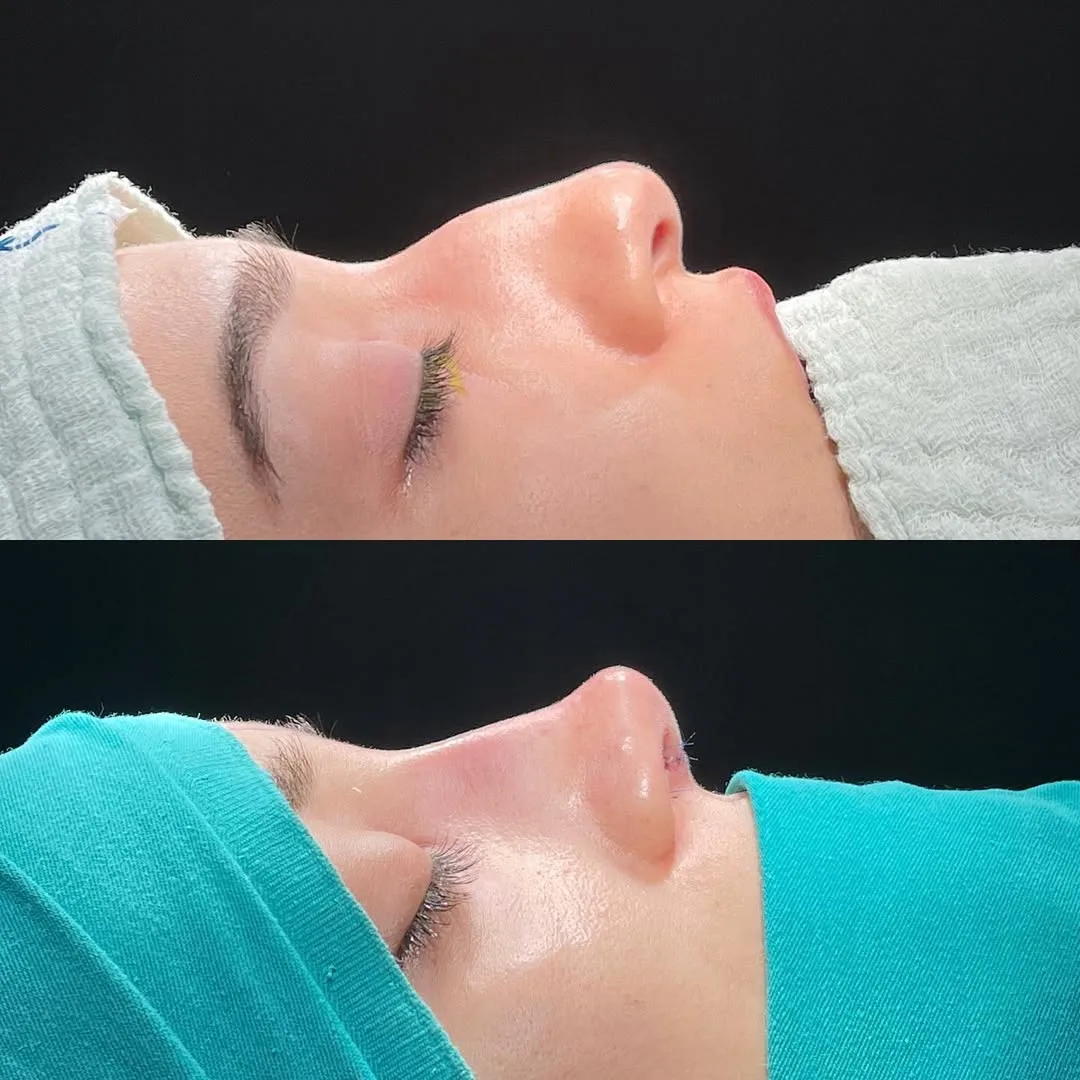
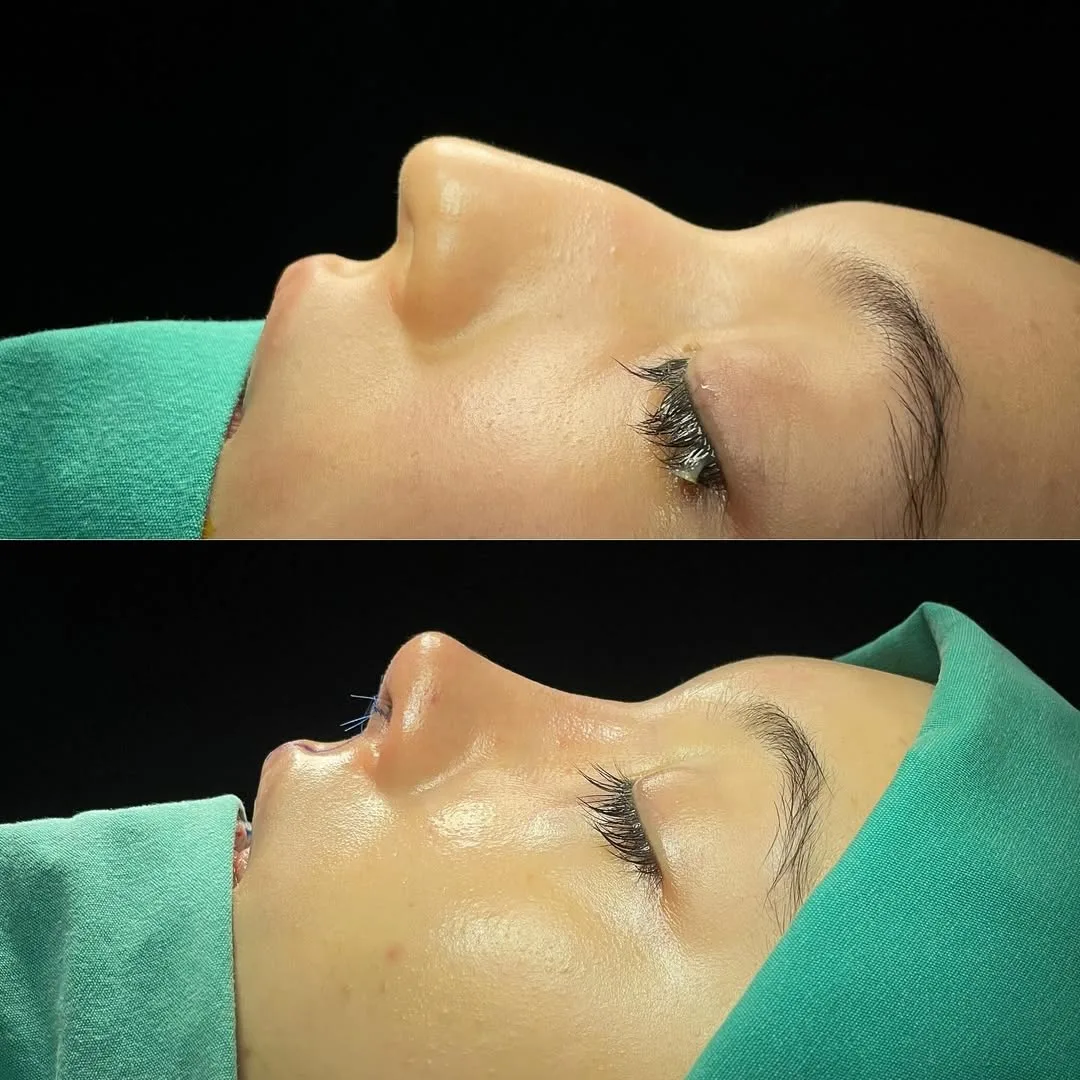
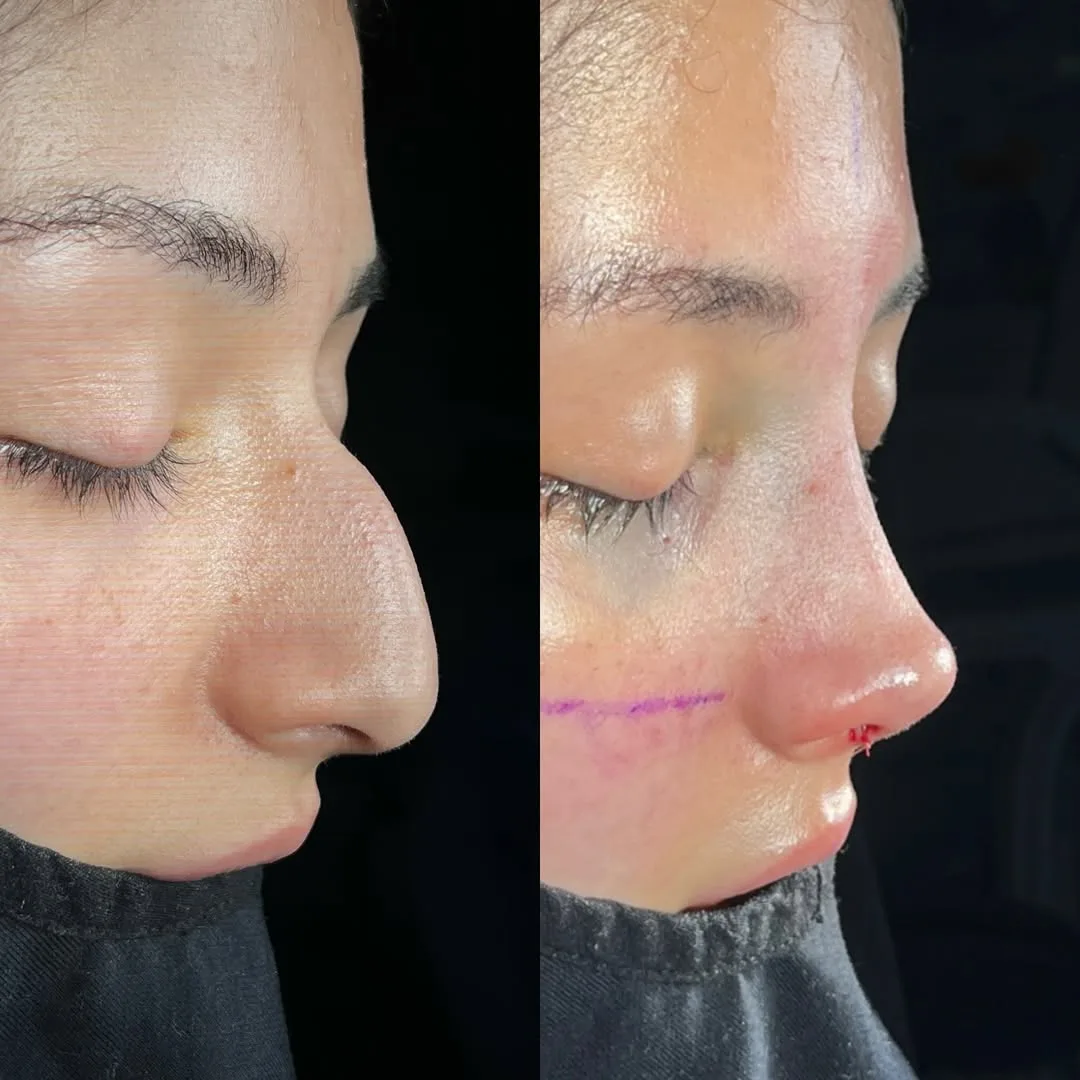
Piezo rhinoplasty (ultrasonic rhinoplasty) is a newer technique for nose reshaping. Instead of breaking and reshaping the nasal bones using conventional surgical tools, surgeons employ an ultrasonic device that generates high-frequency vibrations.
These ultrasonic vibrations can cut and sculpt bone tissue with precision and minimize damage to surrounding soft tissue, blood vessels, nerves, and mucosa.
The technology enables surgeons to make very controlled changes to the bone, which makes ultrasonic rhinoplasty especially attractive to patients who want more precision and a possibly smoother recovery.
How does ultrasonic rhinoplasty work?
The piezoelectric device is the main element of the ultrasonic rhinoplasty.
This device uses ultrasonic energy to:
- Cut bone with high precision.
- Smooth irregularities along the nasal bridge.
- Reshape nasal bones without uncontrolled fractures.
- Preserve surrounding soft tissues, blood vessels, and nerves.
Traditional techniques rely on the use of mechanical force to reshape the bone. With ultrasonic rhinoplasty, surgeons can reshape bone more gently and precisely.
This extra control makes ultrasonic technology the preferred choice for many surgeons in selected cases.
Differences between Ultrasonic Rhinoplasty and Traditional Rhinoplasty
Surgical Technique
The primary difference is the method of reshaping the nasal bones.
Traditional Rhinoplasty:
- Uses chisels, rasps, and osteotomes.
- Bones are repositioned through controlled fractures.
- Increased use of hand surgical techniques.
Ultrasonic Rhinoplasty:
- Utilizes piezoelectric ultrasonic instruments.
- Makes precise bone cutting and sculpting.
- Causes less trauma to surrounding tissues.
Precision
Ultrasonic rhinoplasty generally allows greater precision when operating on the nasal bones.
The surgeon can make very precise modifications to the nasal bridge and bone structure, which can be especially beneficial for patients with:
- Minor asymmetries
- Small dorsal humps
- Delicate nasal anatomy
Traditional rhinoplasty can be great too but relies more on manual bone reshaping techniques.
Tissue Trauma
One of the most discussed advantages of ultrasonic rhinoplasty is that it causes less trauma to the surrounding tissues.
As ultrasonic devices are aimed at the bone tissue specifically, there is less damage to:
- Blood vessels
- Nasal mucosa
- Soft tissue structures
- Surrounding facial tissues
This can aid in a more comfortable recovery experience for many patients.
Recovery: Which technique heals more easily?
One of the biggest concerns for rhinoplasty patients is their recovery.
Traditional Rhinoplasty Recovery
After traditional rhinoplasty, patients often experience:
- Swelling
- Bruising around the eyes
- Nasal congestion
- Mild discomfort
Most bruises will clear up in 10 to 14 days. Swelling will gradually go down over a period of months.
Ultrasonic Rhinoplasty Recovery
Many studies and clinical experiences suggest that ultrasonic rhinoplasty may lead to:
- Less bruising
- Less swelling
- Improved early recovery
- Improved patient comfort during healing
But patients must understand that any rhinoplasty is a surgical trauma, and the time for recovery depends on the following:
- Individual healing capacity
- Skin thickness
- Surgical complexity
- The surgeon's technique and experience
Ultrasonic rhinoplasty may improve the early recovery period, but the final healing time is similar for both.
Ultrasonic or Traditional Rhinoplasty: Which procedure is better?
The answer depends a lot on the surgeon and not just on the technology.
A very good surgeon can achieve good results with traditional or ultrasonic rhinoplasty techniques.
Ultrasonic rhinoplasty may have advantages in specific situations such as the following:
- Precise hump removal
- Detailed bone reshaping
- Complex asymmetry correction
- Revision rhinoplasty procedures
Traditional rhinoplasty is still very effective for:
- Major structural corrections
- Functional nasal surgery
- Complex nasal reconstruction
- Extensive cartilage reconstruction
Ultimately, a successful rhinoplasty is more the result of the surgeon’s skill, planning, and patient’s anatomy than it is of the tools.
Advantages of ultrasonic rhinoplasty
- More precise bone reshaping
- Reduced soft tissue trauma
- Less postoperative bruising
- Reduced swelling
- Smoother nasal bridge contouring
- Improved control during surgery
Ultrasonic rhinoplasty has gained popularity because it can reshape the nasal bones with extreme precision. One of the biggest advantages is less trauma to surrounding soft tissues, blood vessels, and nasal mucosa. This means less bruising and swelling in the early recovery period for many patients. The technology also allows surgeons to do very controlled bone sculpting, which is particularly useful for correcting nasal humps, asymmetries, and minor irregularities.
However, there are some limitations to ultrasonic rhinoplasty. This procedure may require sophisticated equipment and advanced training, which can add to the total cost of treatment. In addition, not all rhinoplasty cases need ultrasonic technology, and some complex reconstructive cases may still need traditional surgical techniques. In the end, the success of the procedure is more dependent on the surgeon’s skill than the technology itself.
Advantages of traditional rhinoplasty
- Established long-term track record
- Suitable for nearly all nasal deformities
- Widely available
- Shorter learning curve for experienced surgeons
- Effective for both cosmetic and functional corrections
The traditional rhinoplasty has a long history of successful results and has been performed successfully and continues to be one of the most trusted techniques in nasal surgery. The greatest plus is versatility. Surgeons can correct a wide range of cosmetic and functional problems, from severe nasal deformities to breathing problems and major structural reconstruction. The traditional rhinoplasty is also widely available and has a long history of predictable results.
In contrast, traditional rhinoplasty usually involves more manipulation of the nasal bones, which can cause more bruising and swelling during the initial healing period. The recovery can sometimes be a little less comfortable than ultrasonic rhinoplasty because the technique uses manual instruments and controlled breaks of bone. Nevertheless, when done by an experienced surgeon, traditional rhinoplasty still provides excellent aesthetic and functional results.
Who is a good candidate for ultrasonic rhinoplasty?
Ultrasonic rhinoplasty is suitable for patients who:
- Have a prominent nasal hump
- Require precise bone contouring
- Wish to minimize post-operative bruising and swelling
- Are undergoing revision rhinoplasty
- Have thin nasal skin that reveals small irregularities
A detailed consultation and nasal examination are necessary to determine candidacy.
Who is a good candidate for traditional rhinoplasty?
Traditional rhinoplasty is still a great option for patients who:
- Require significant structural modifications
- Need functional breathing corrections
- Have severe nasal deformities
- Require extensive cartilage reconstruction
- Prefer a well-established surgical approach
Many patients are ideal candidates for either technique.
Ultrasonic Rhinoplasty vs. Traditional Rhinoplasty: Cost Comparison
Ultrasonic rhinoplasty could be a bit more expensive than traditional rhinoplasty because it requires:
- Specialized piezoelectric equipment
- Improved surgical training
- Advanced technology investments
However, the pricing varies greatly based on:
- Country
- Clinic
- Surgeon's experience
- Complexity of the procedure
Patients should focus on surgeon expertise and safety rather than choosing a procedure solely based on cost.
How much does ultrasonic rhinoplasty cost in Turkey?
The cost of ultrasonic rhinoplasty in Turkey depends on the surgeon's experience, clinic facilities, surgical complexity, and whether additional procedures are required. Compared with the UK, US, Germany, and many other European countries, patients can often save approximately 50% while receiving treatment from experienced rhinoplasty specialists.
Is ultrasonic rhinoplasty safe in Turkey?
When performed by a qualified rhinoplasty surgeon, ultrasonic rhinoplasty is usually considered safe. The piezoelectric device works specifically on the bone tissue but spares the surrounding soft tissues, blood vessels, nerves, and nasal lining. This precision may translate into less surgical trauma and less risk of some complications of over-resection of tissue.
But no rhinoplasty technique is entirely without risk. As with any surgical procedure, there are risks of complications, including infection, bleeding, asymmetry, breathing problems, or dissatisfaction with the final result. It is not only the technology used in the surgery but also the experience of the surgeon, careful treatment planning, and proper post-operative care that makes the surgery safe.
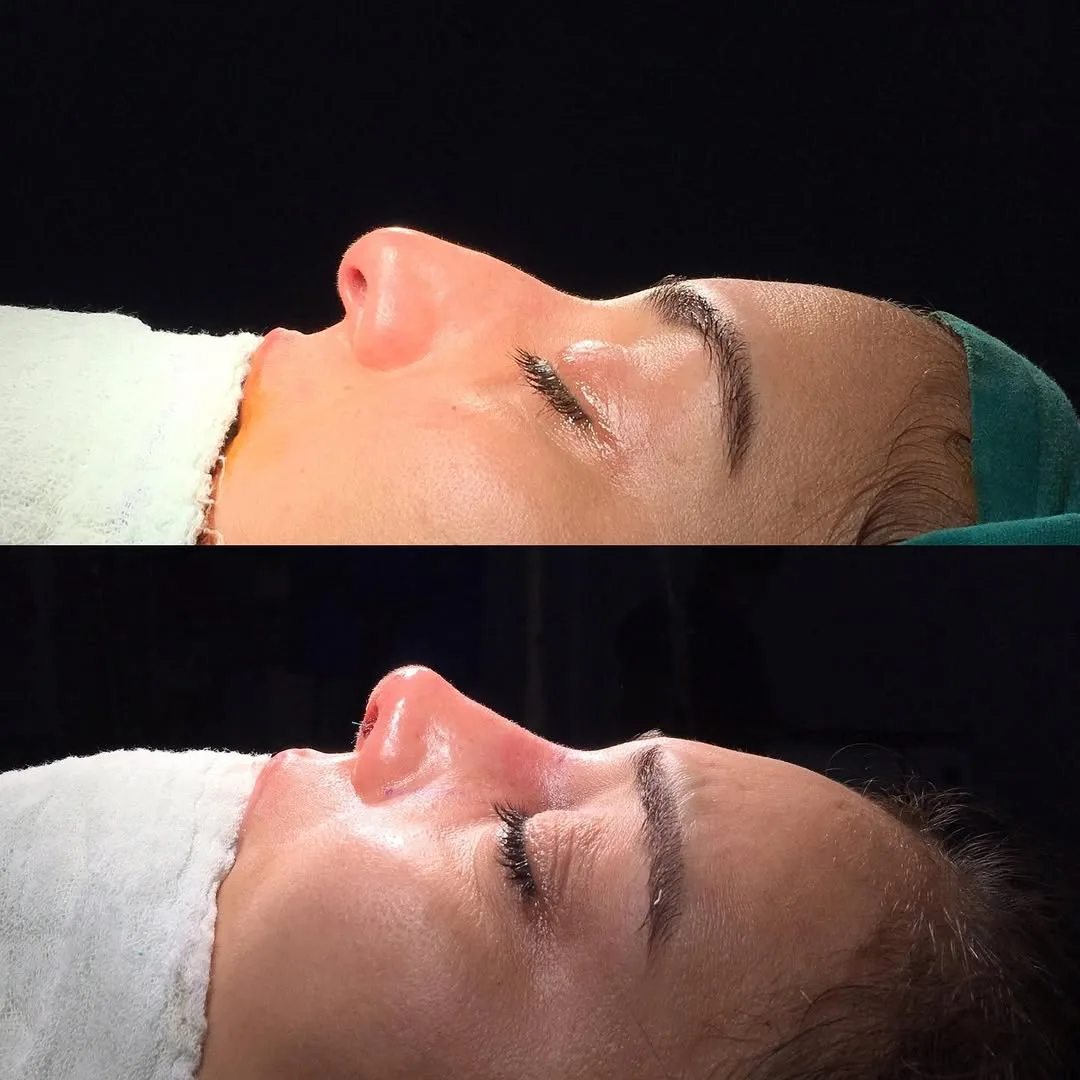
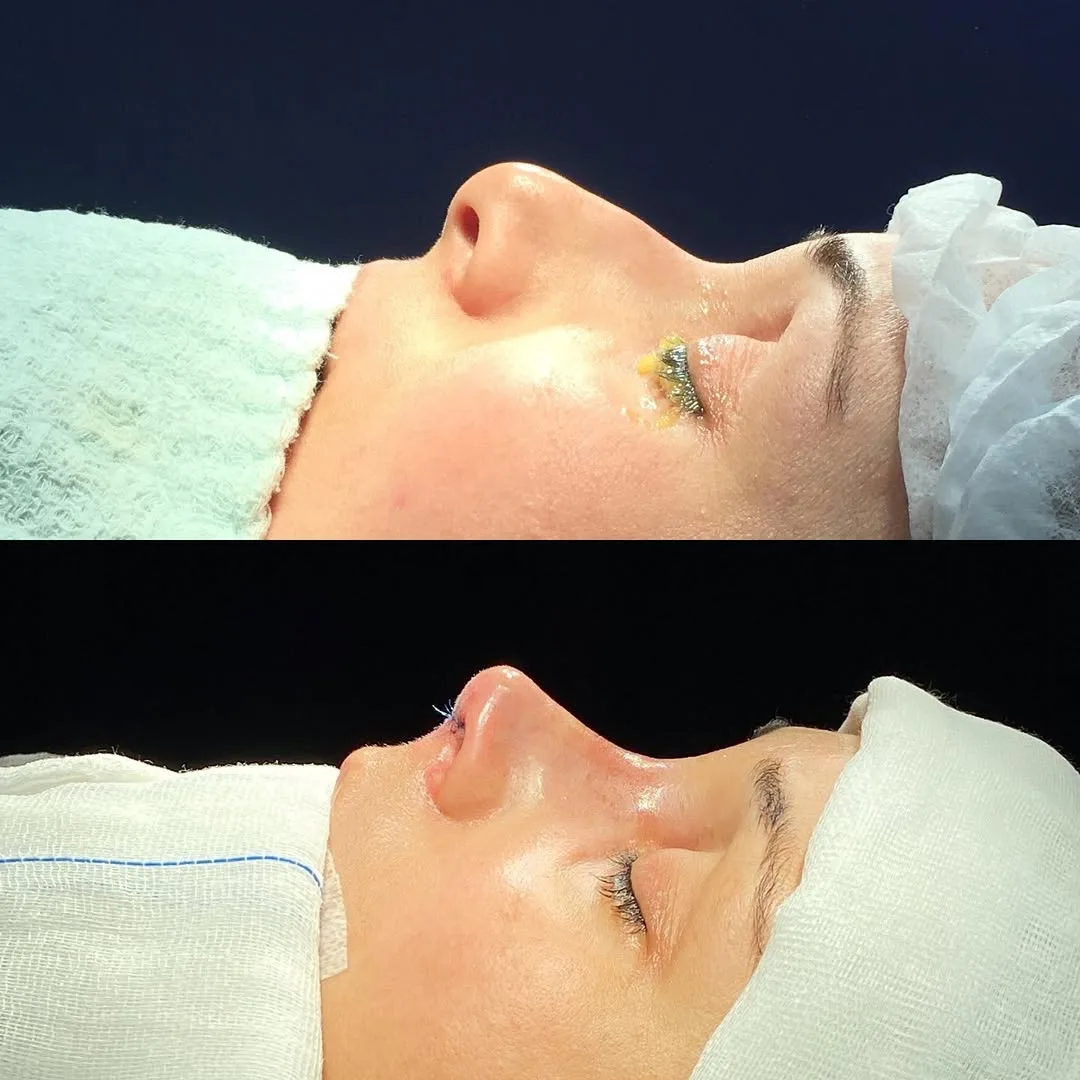
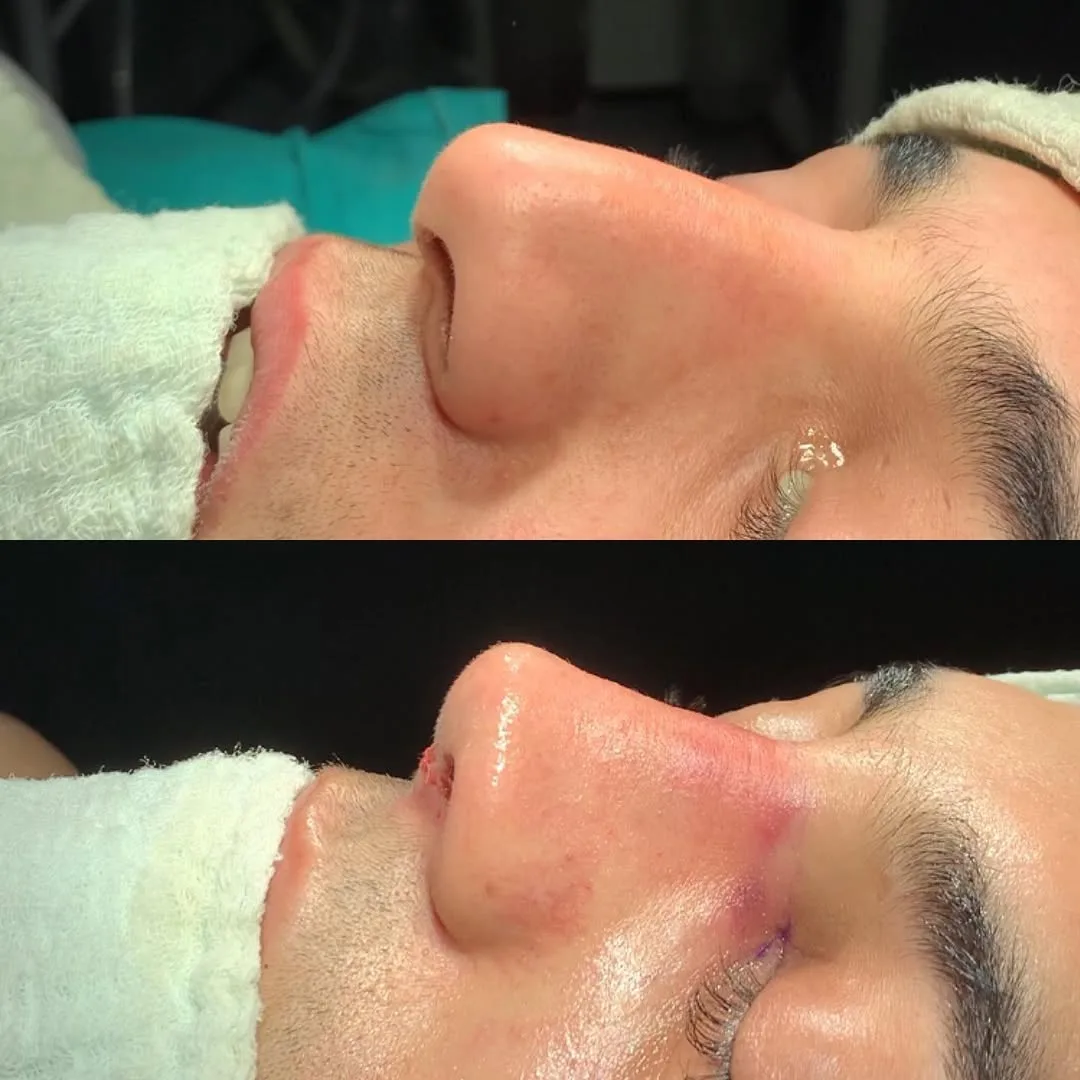
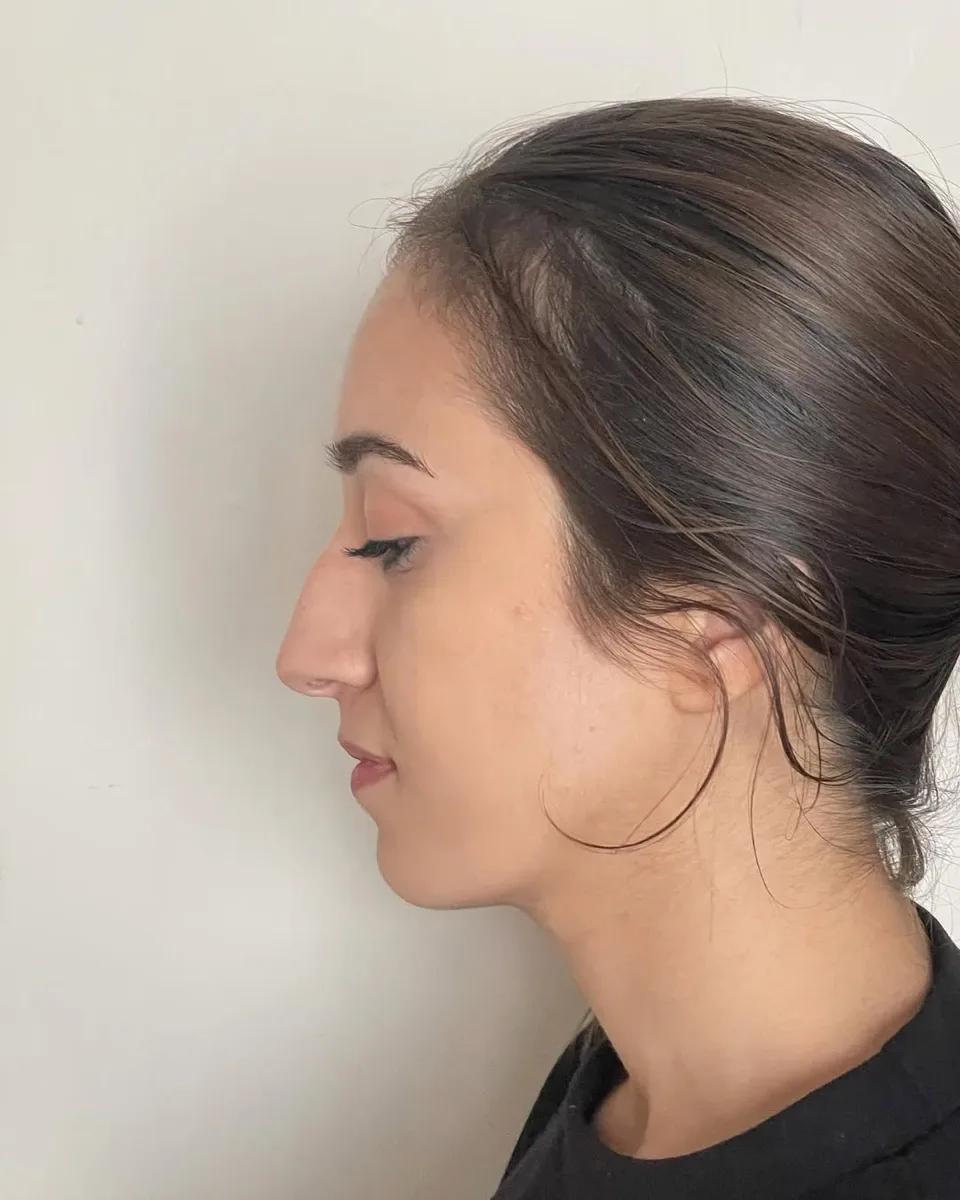
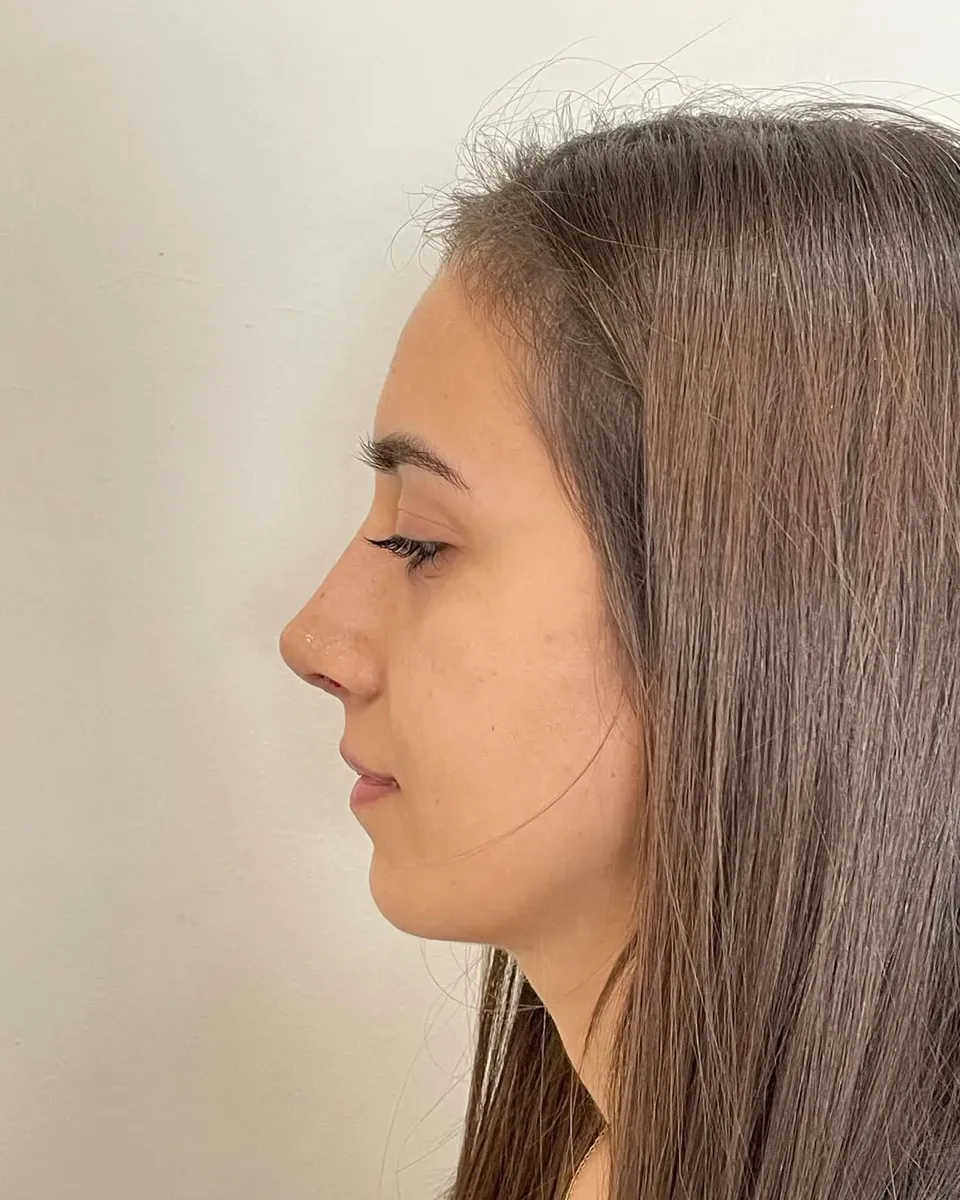
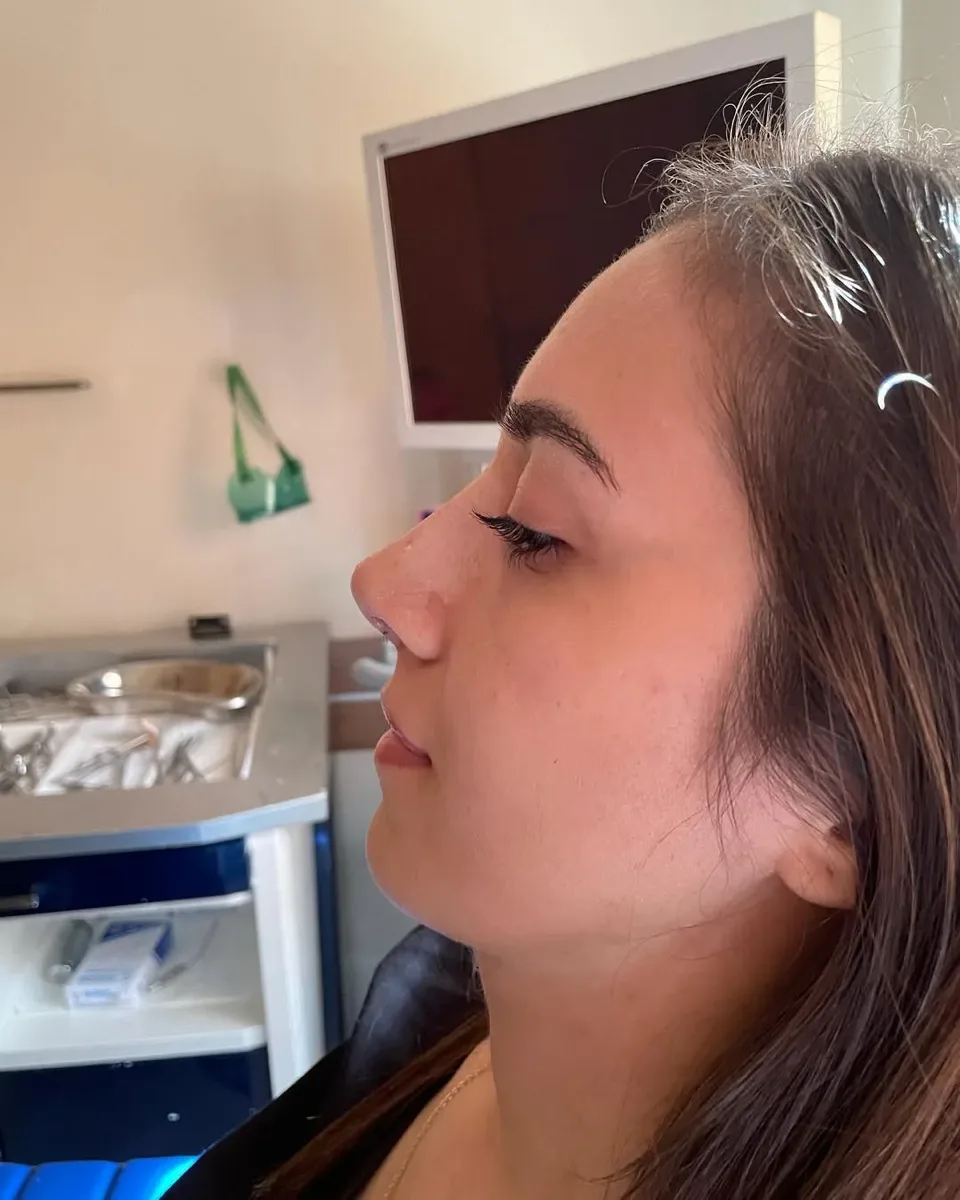
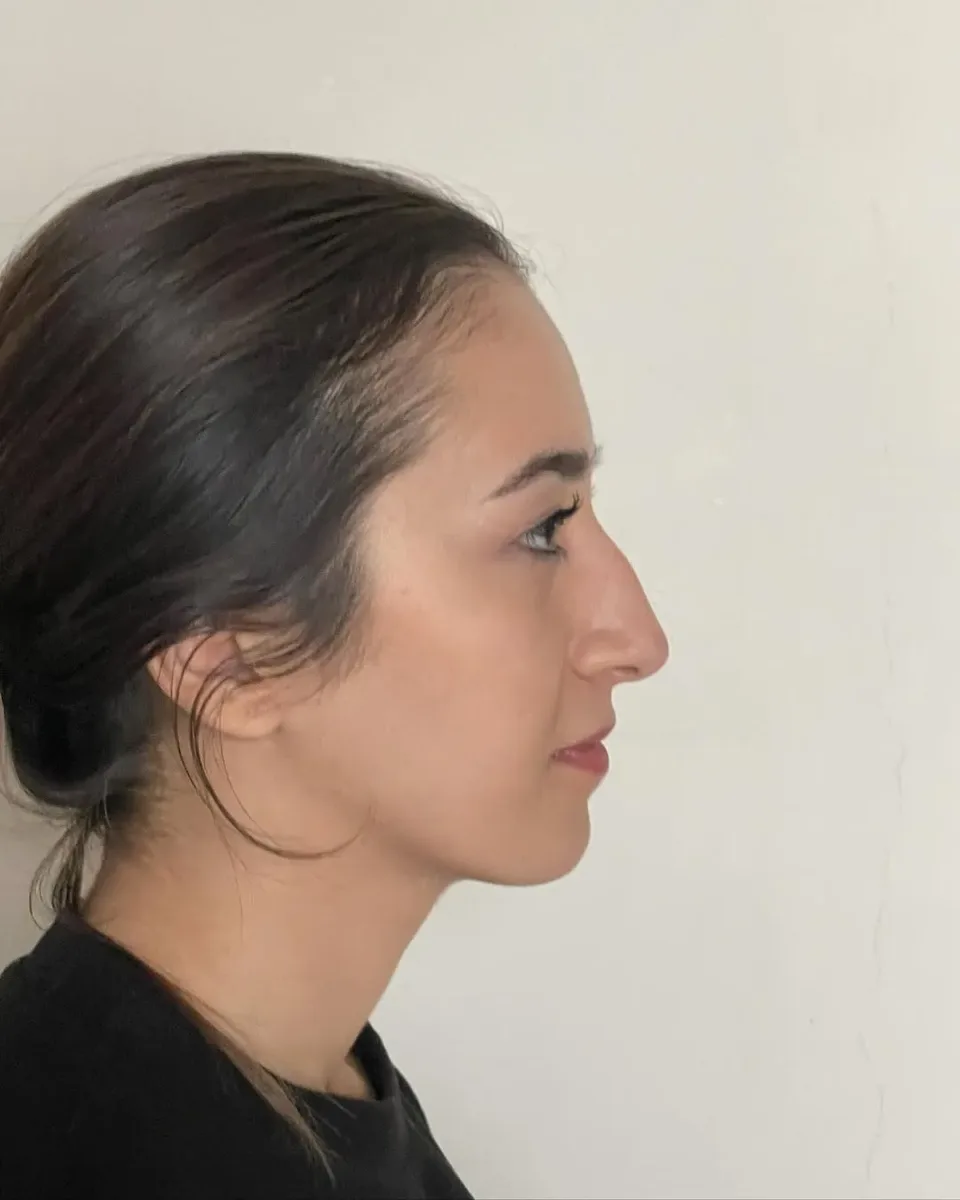
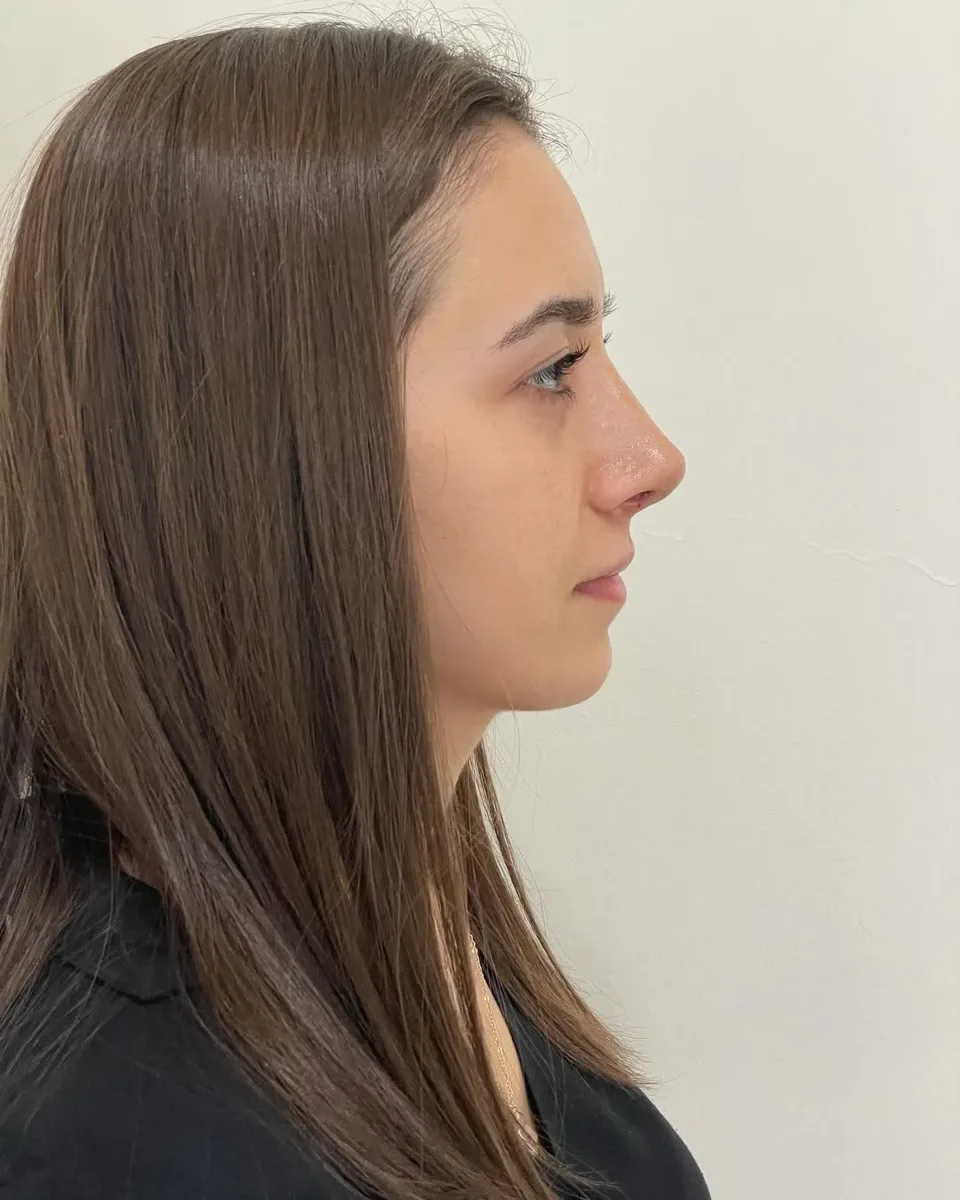
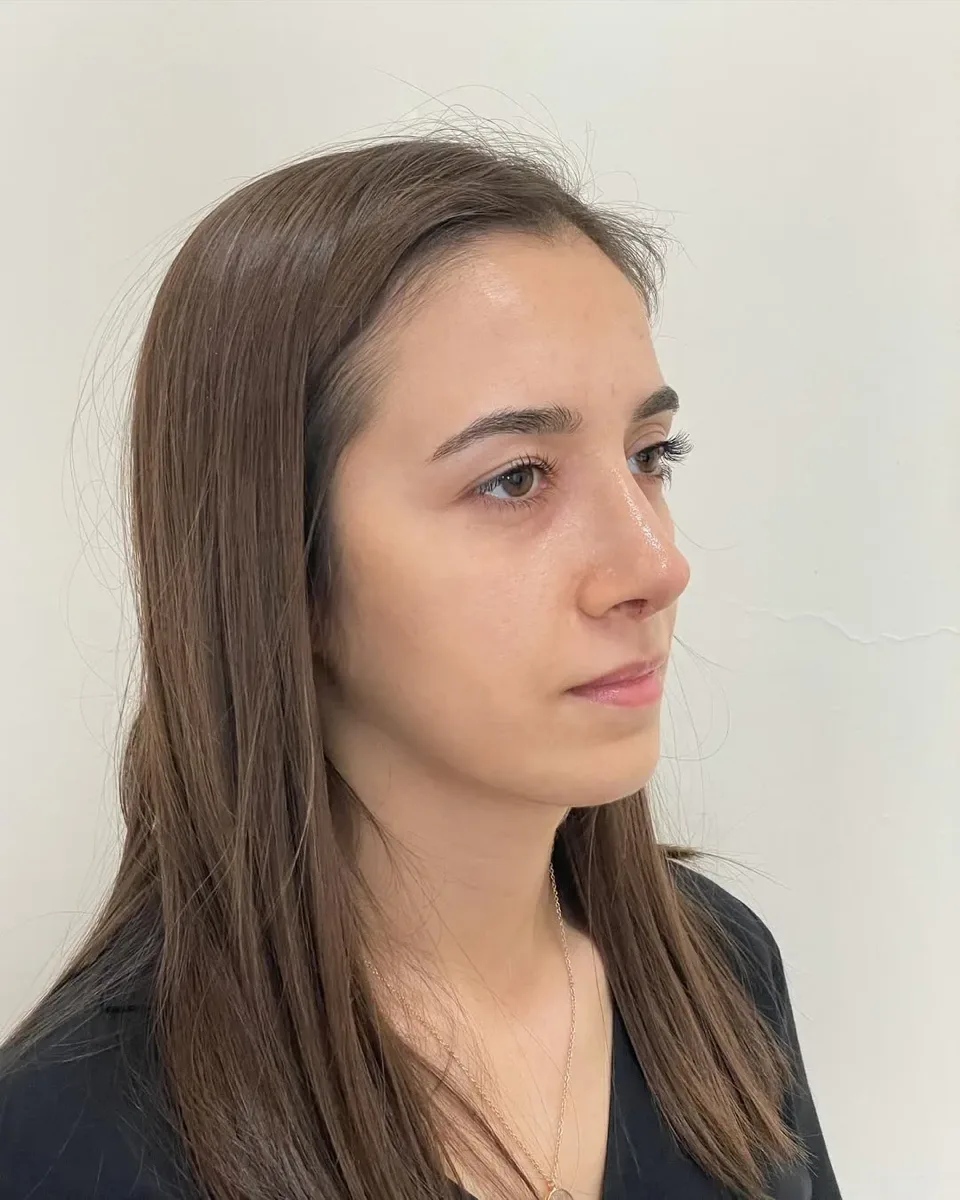
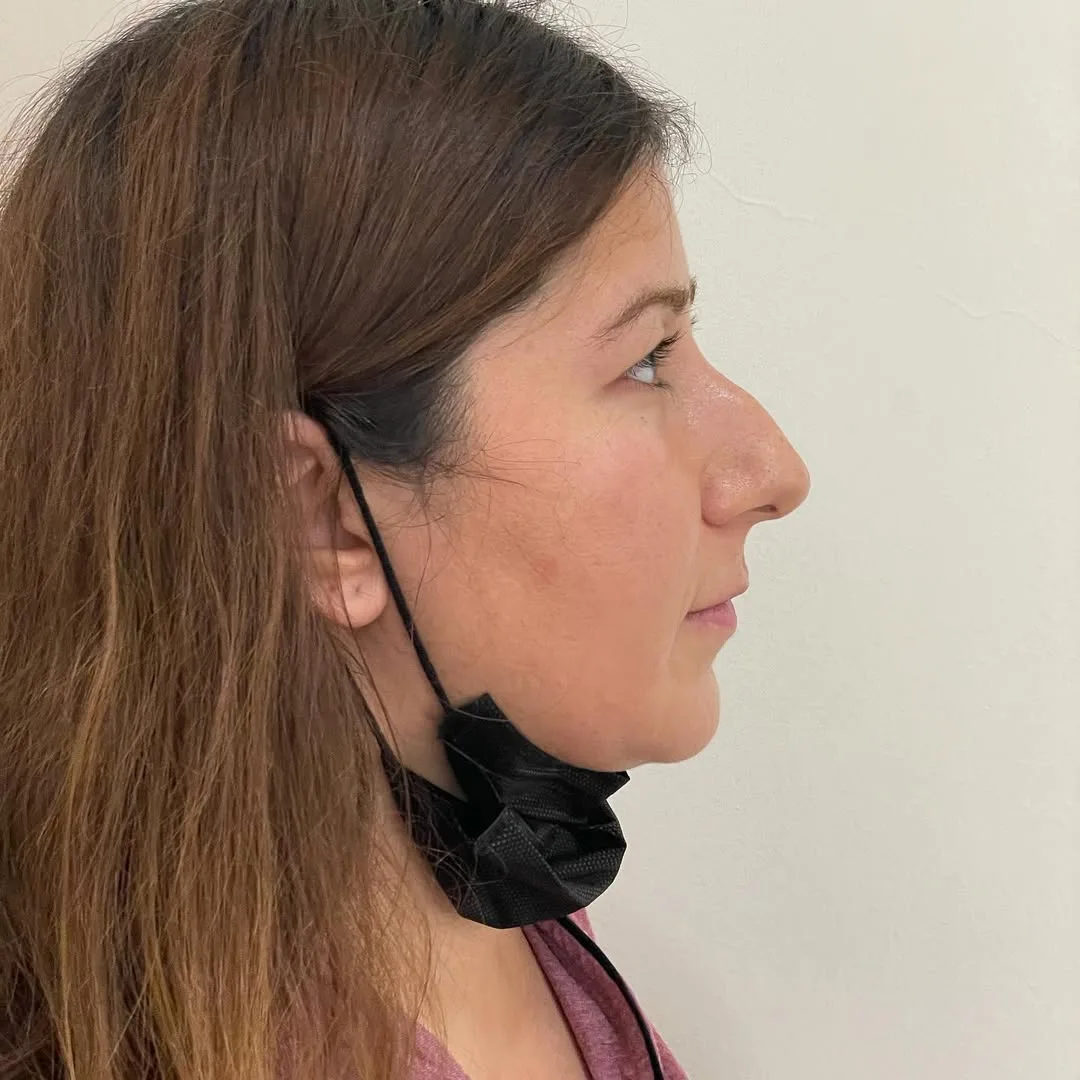
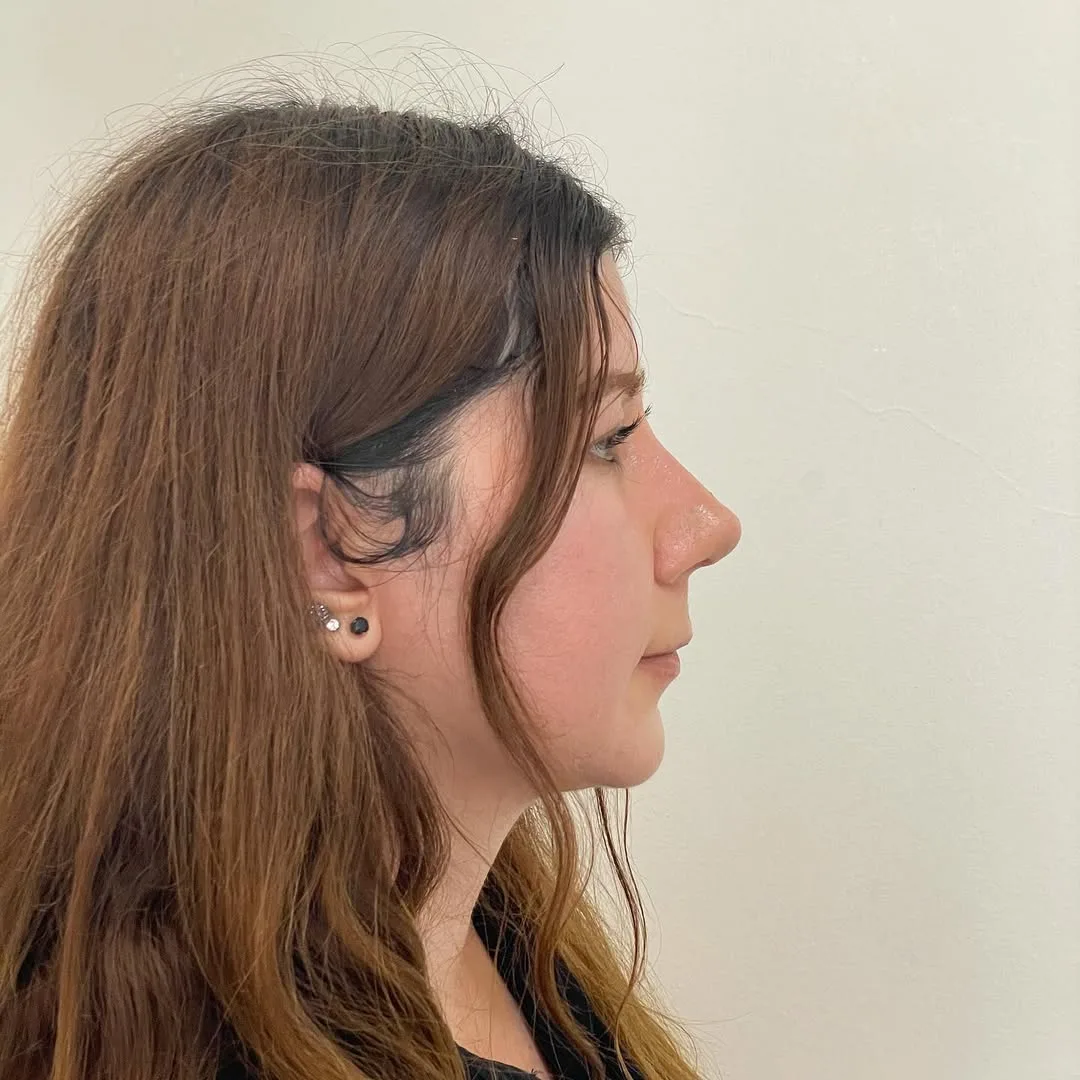
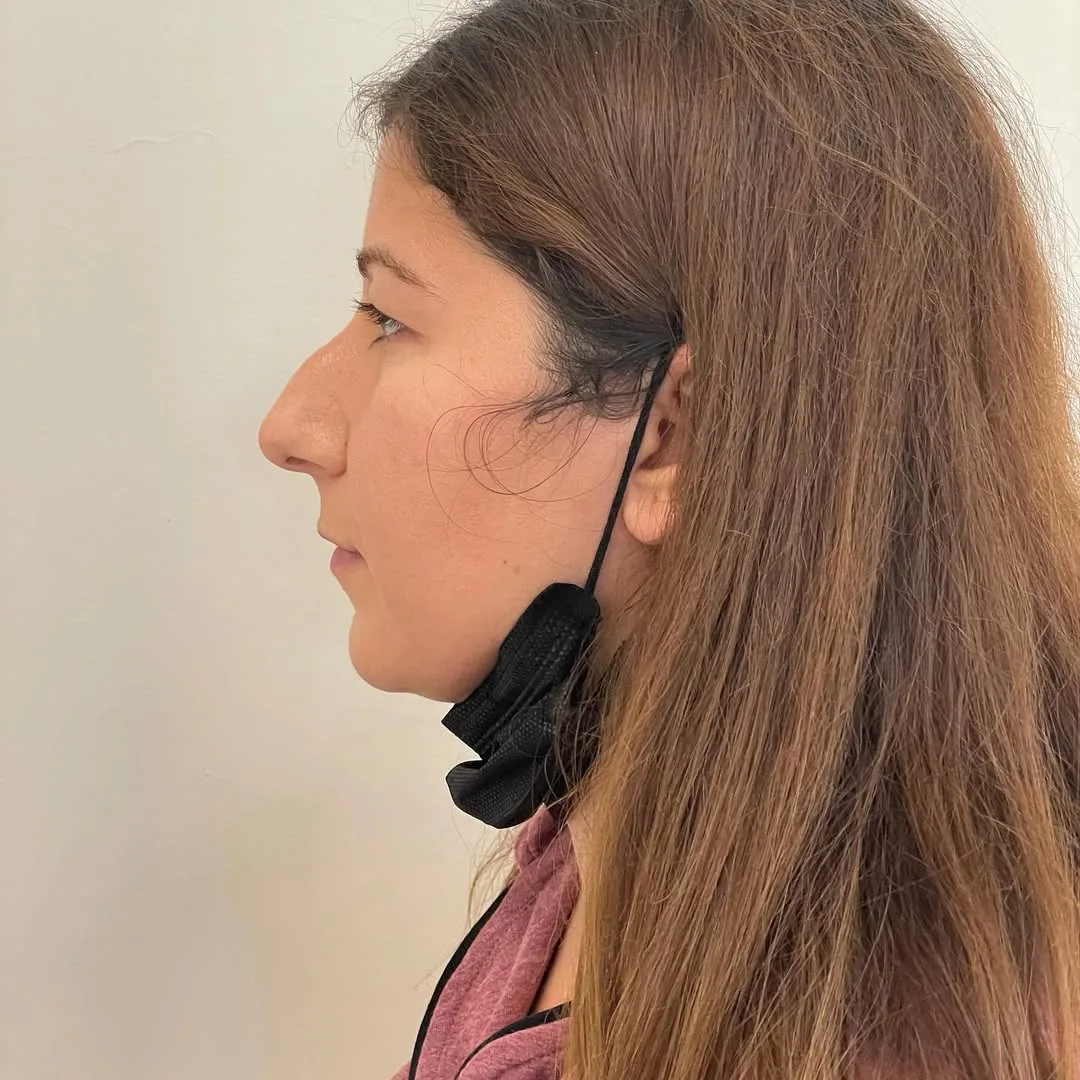
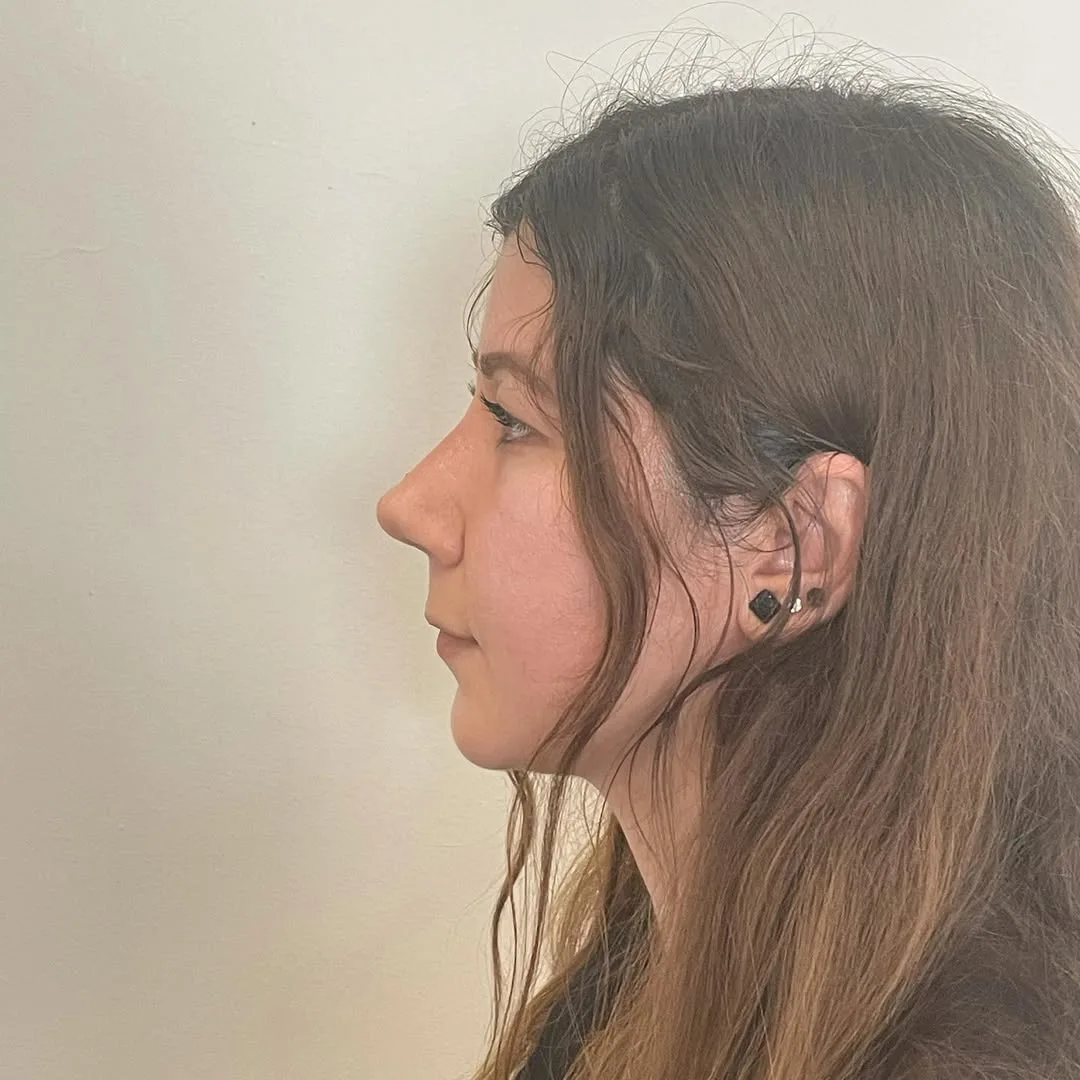
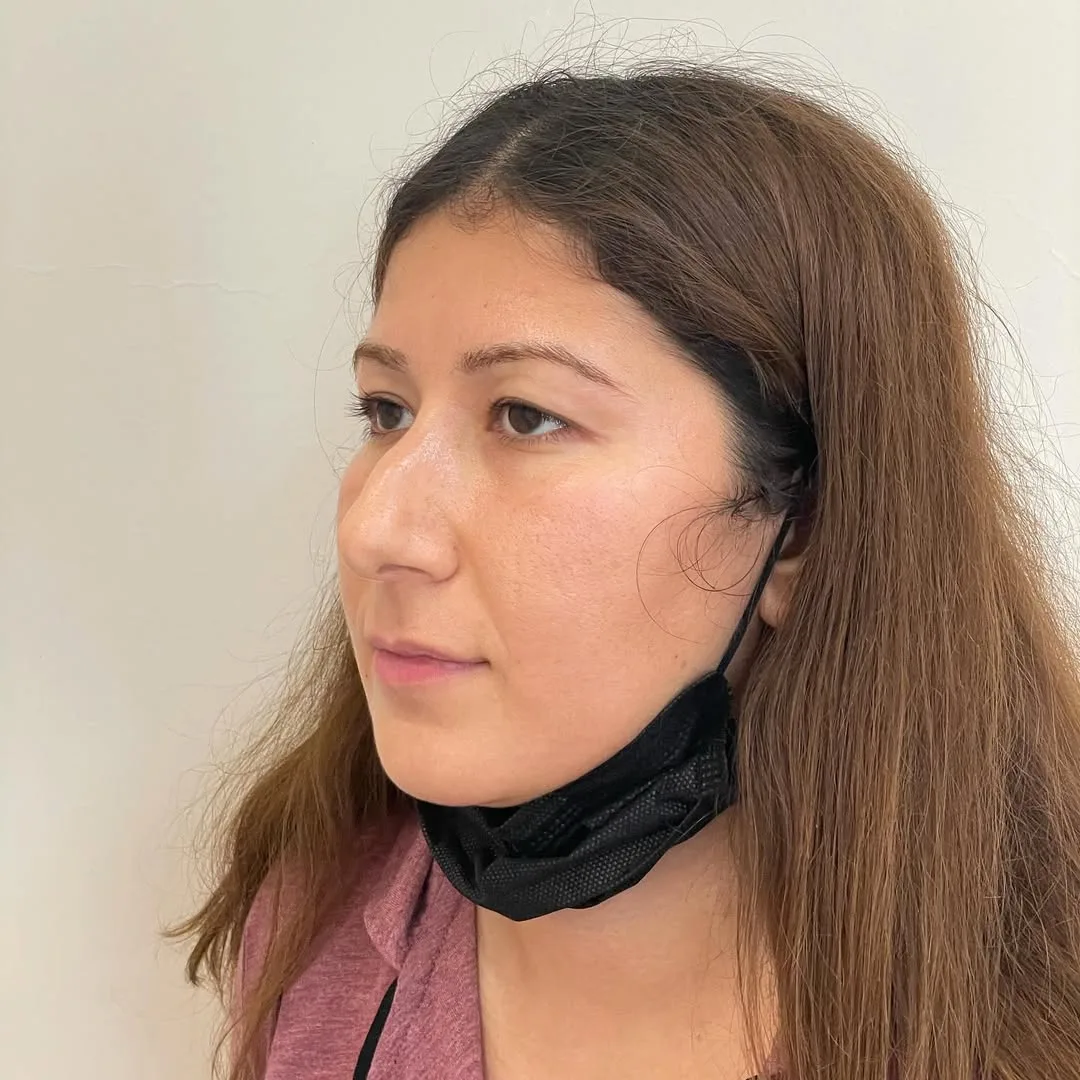
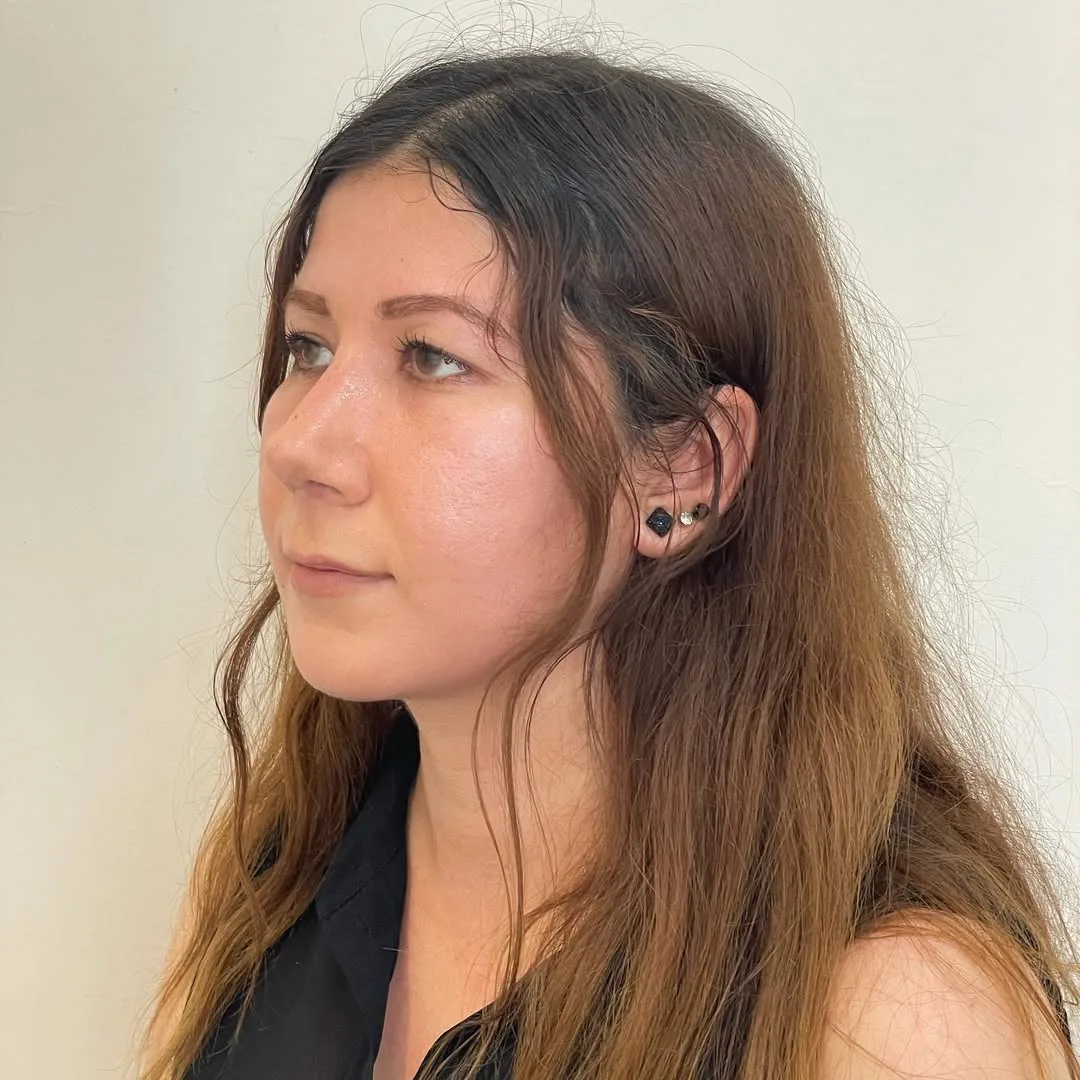
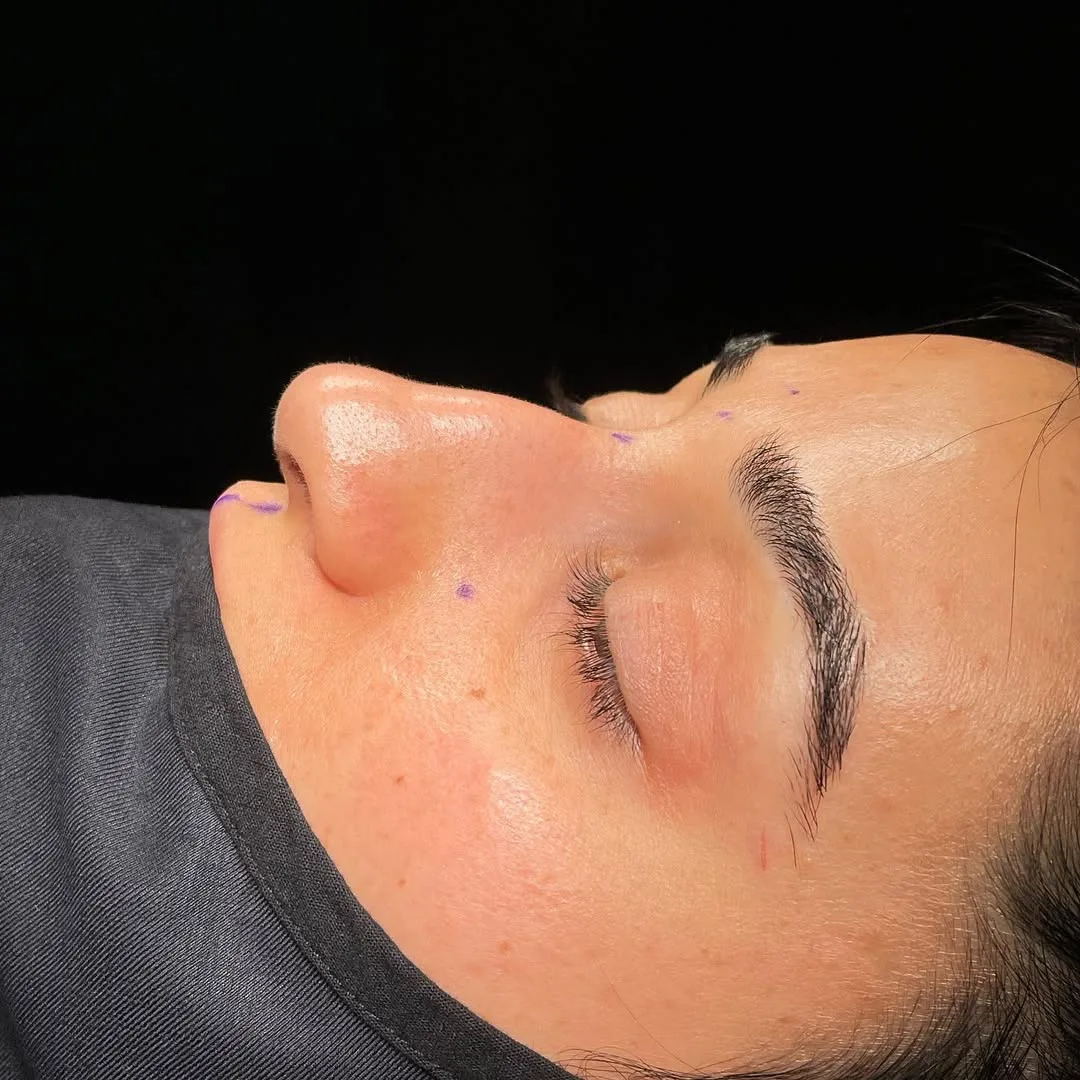
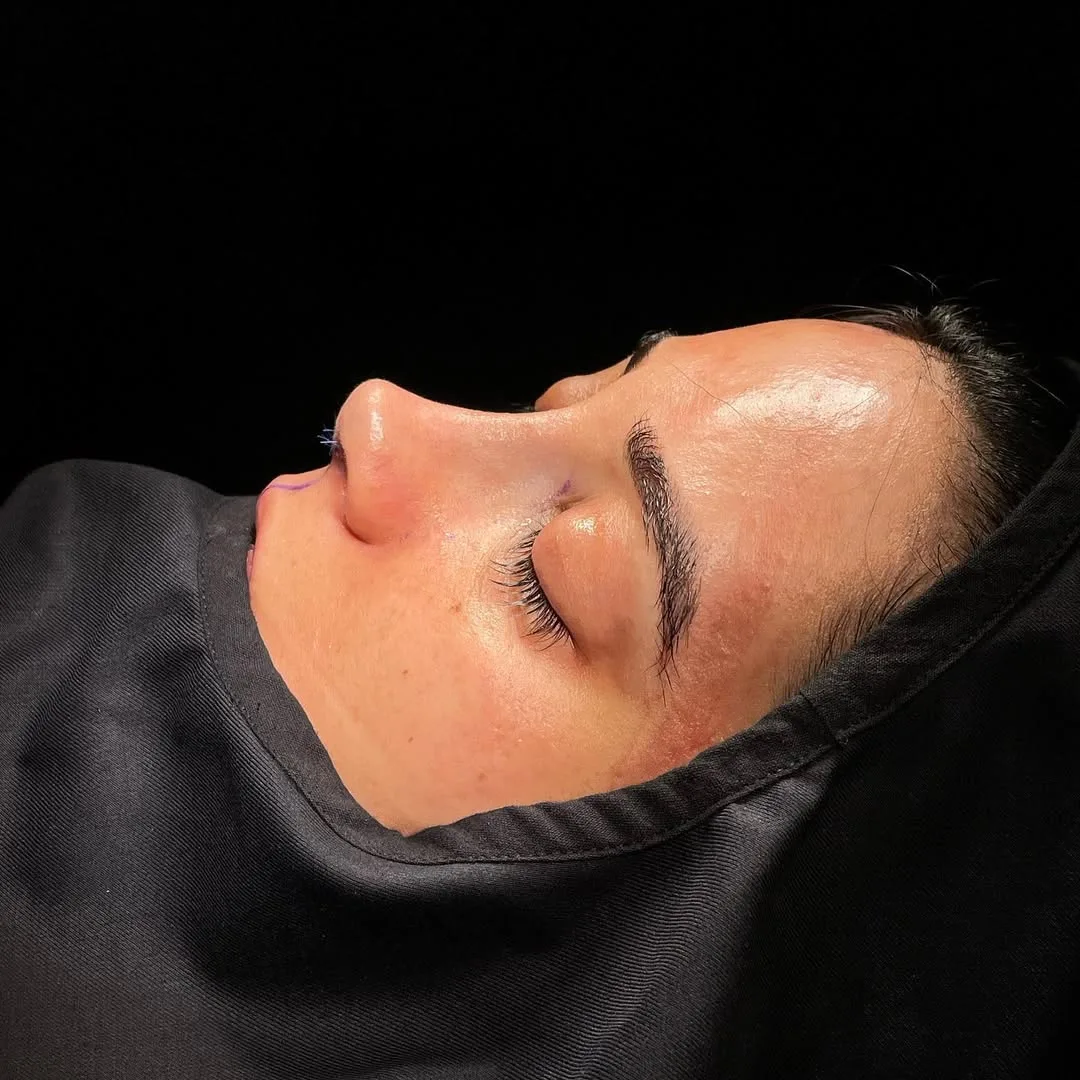
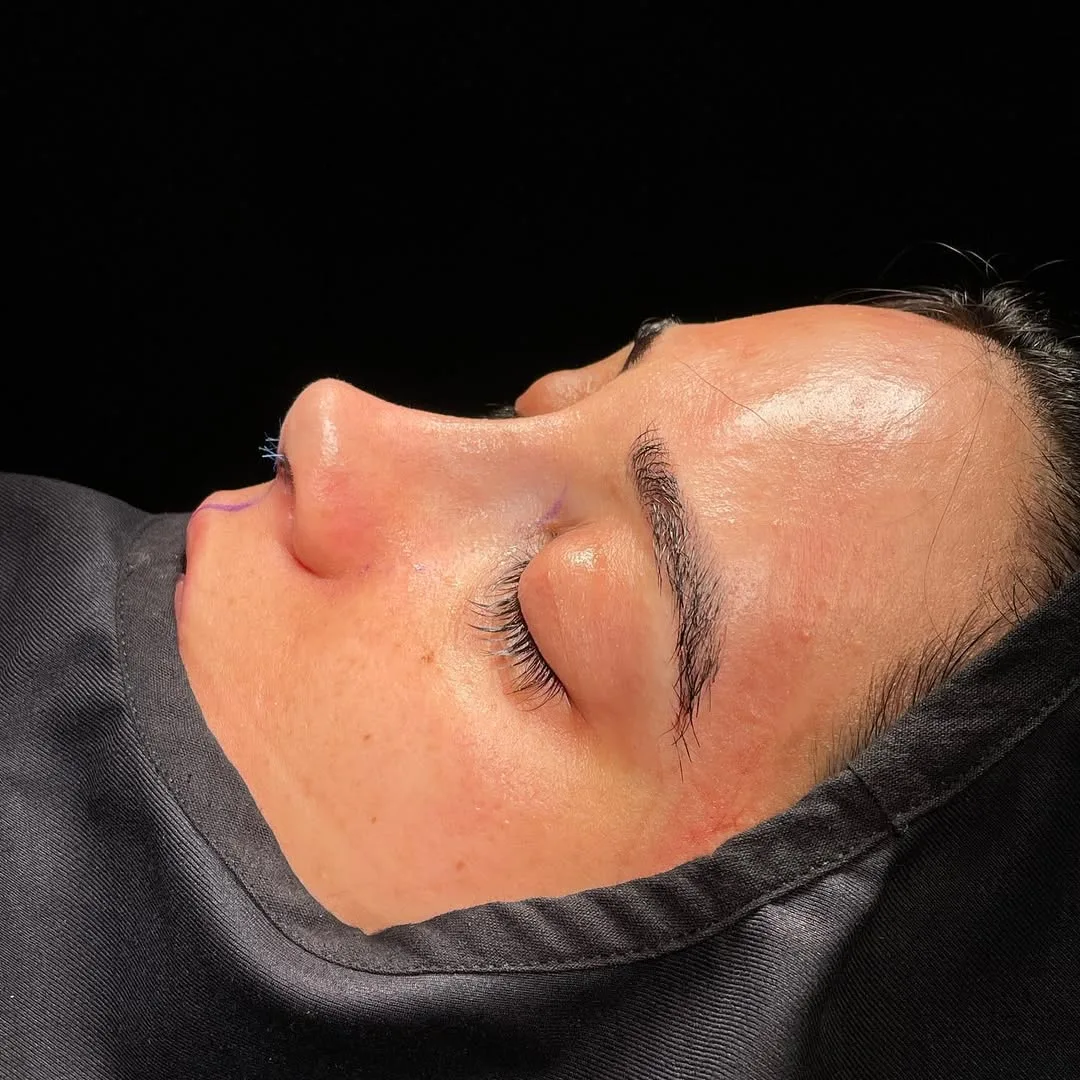
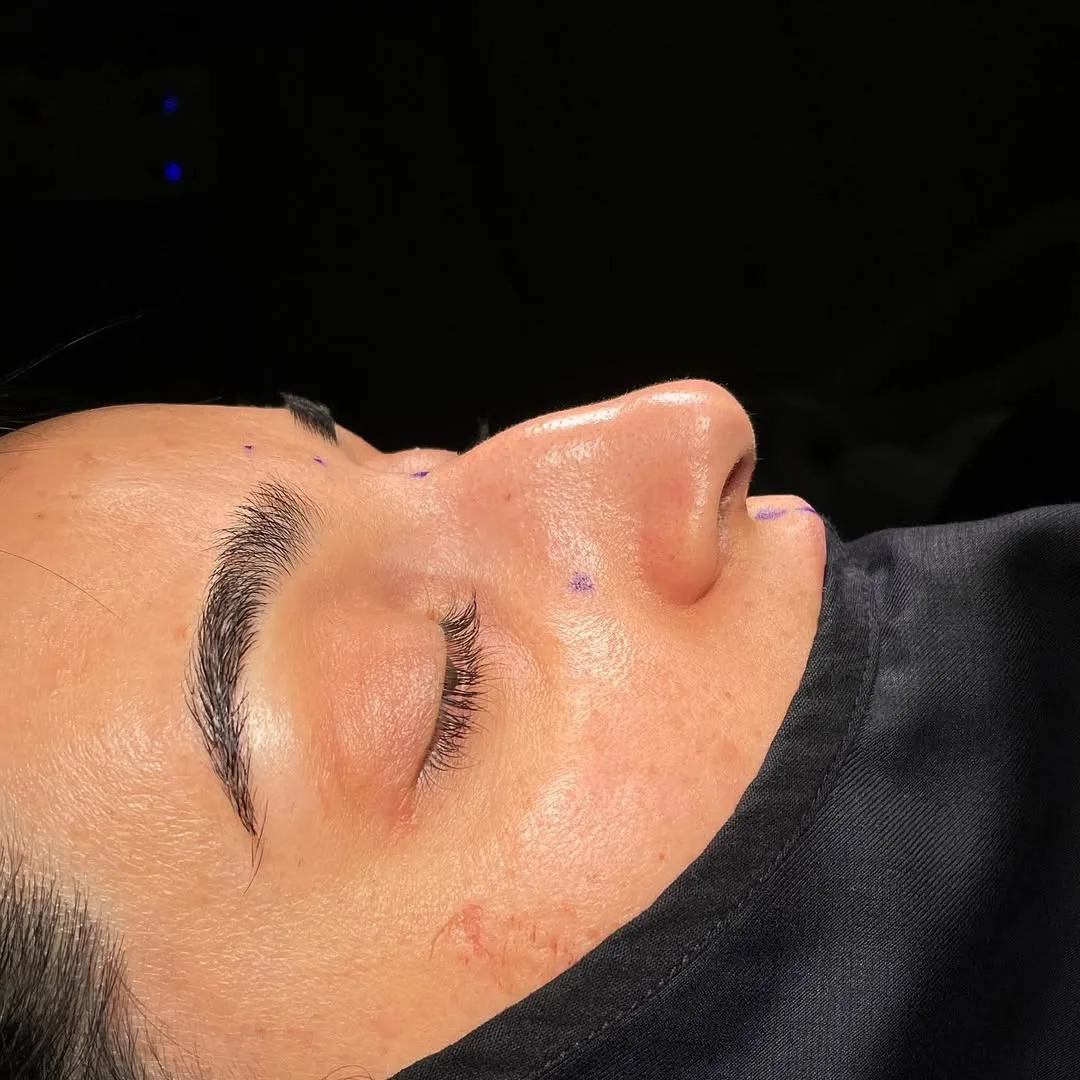
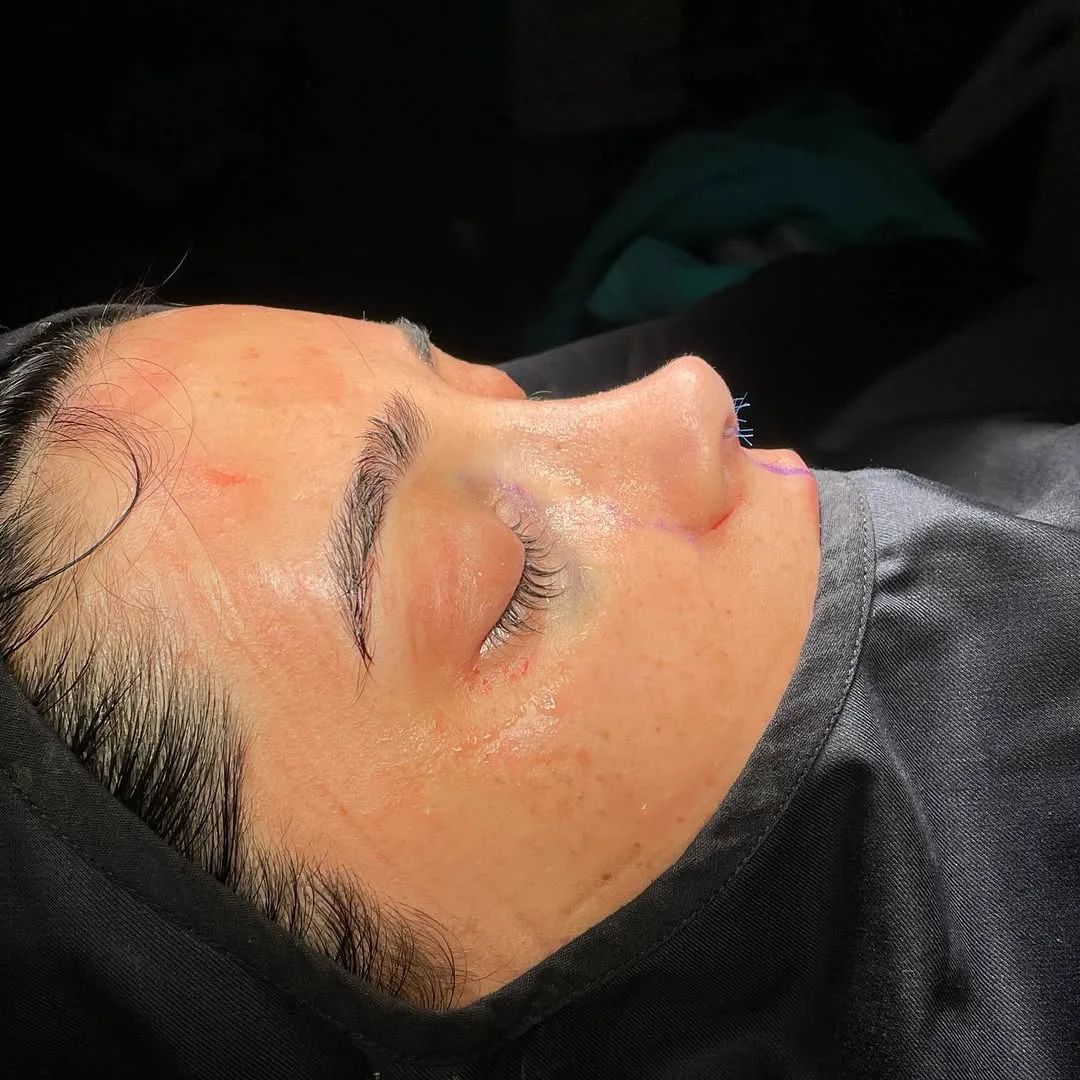
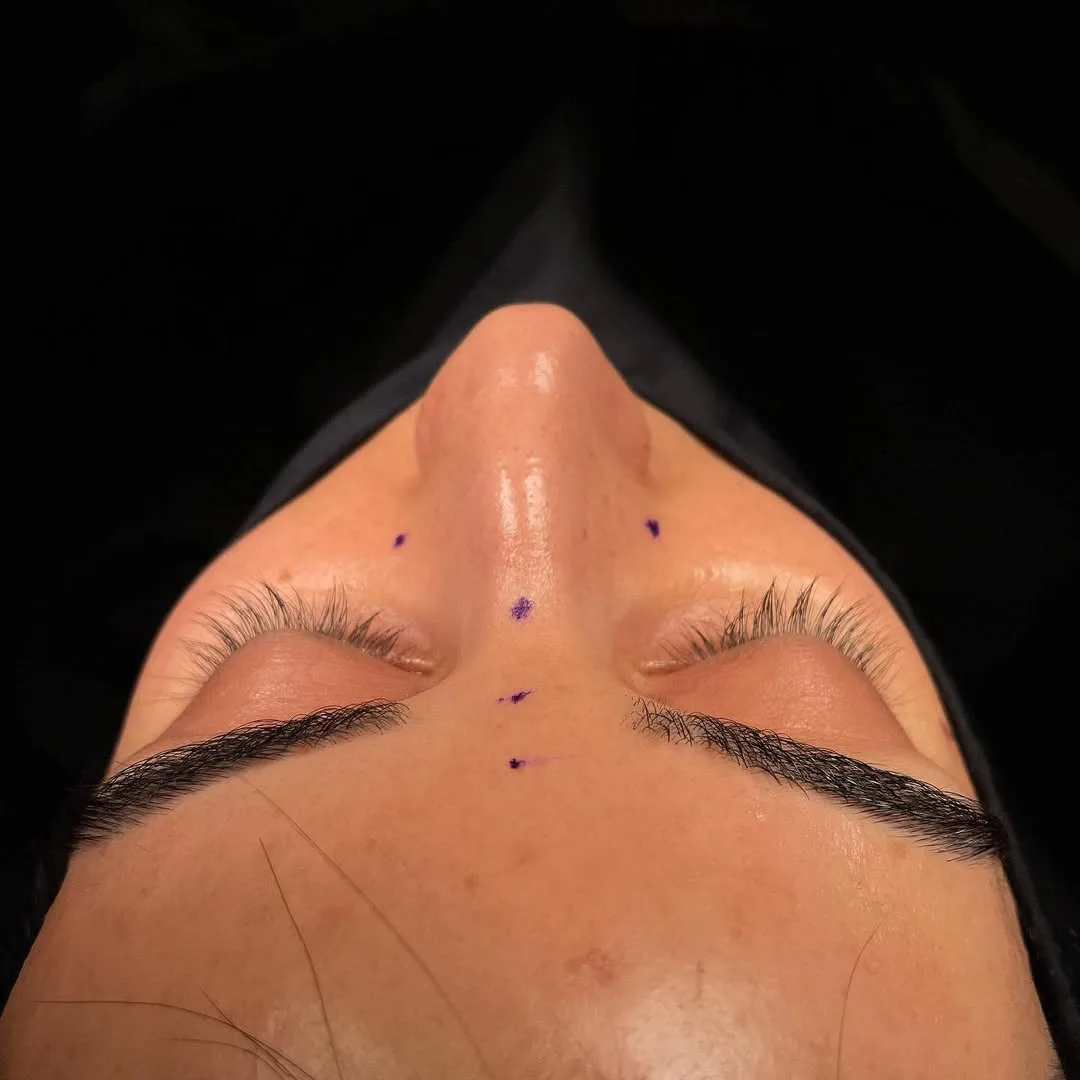
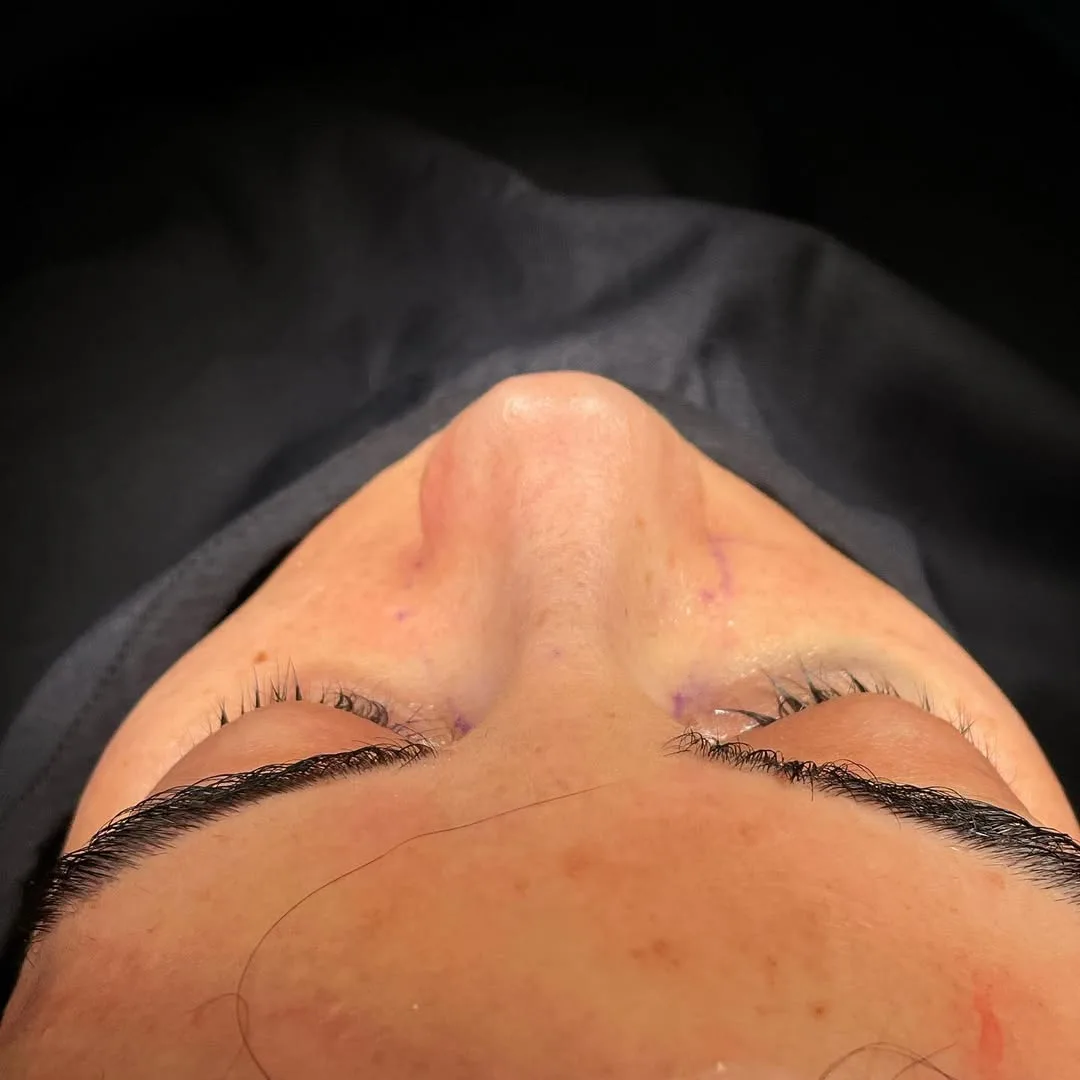
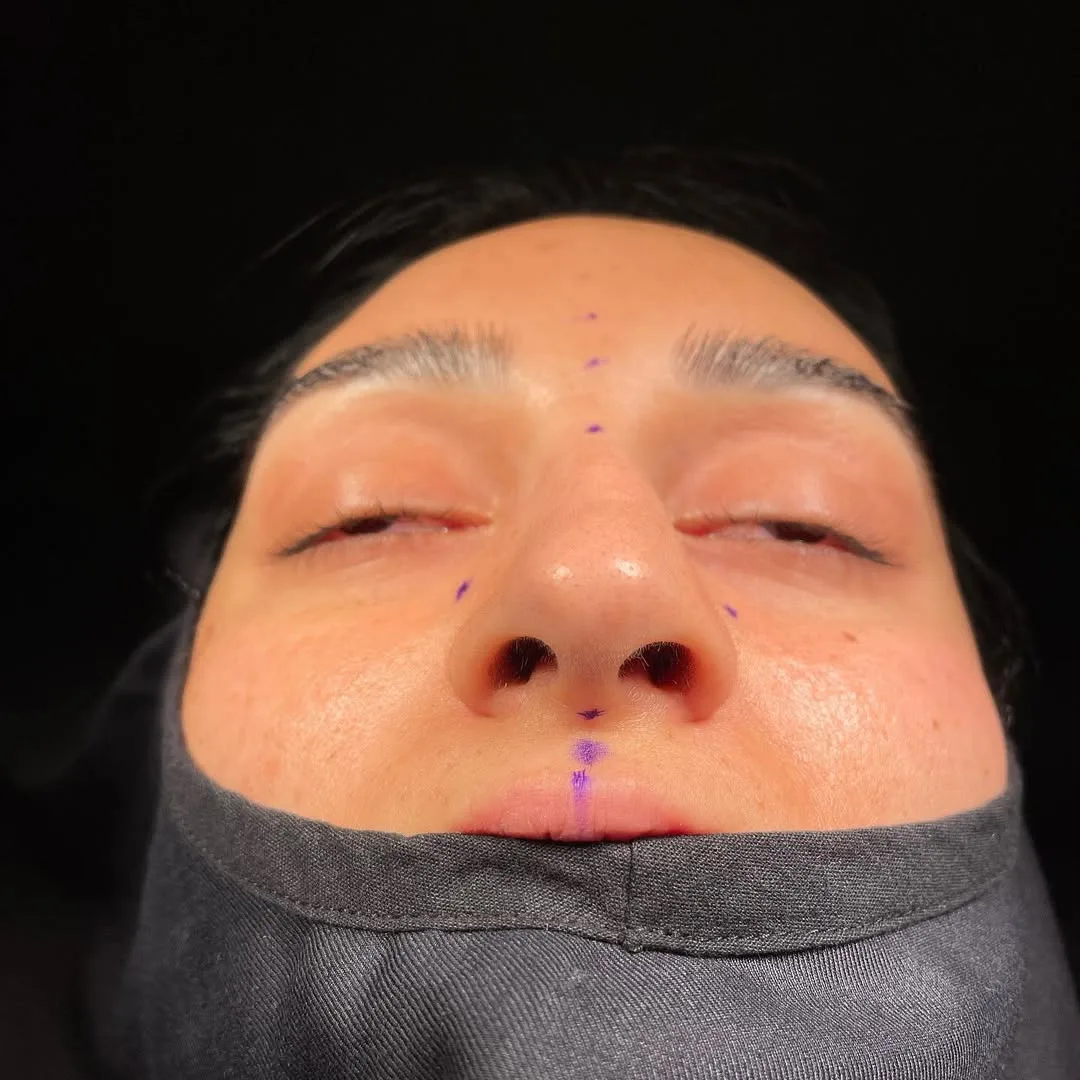
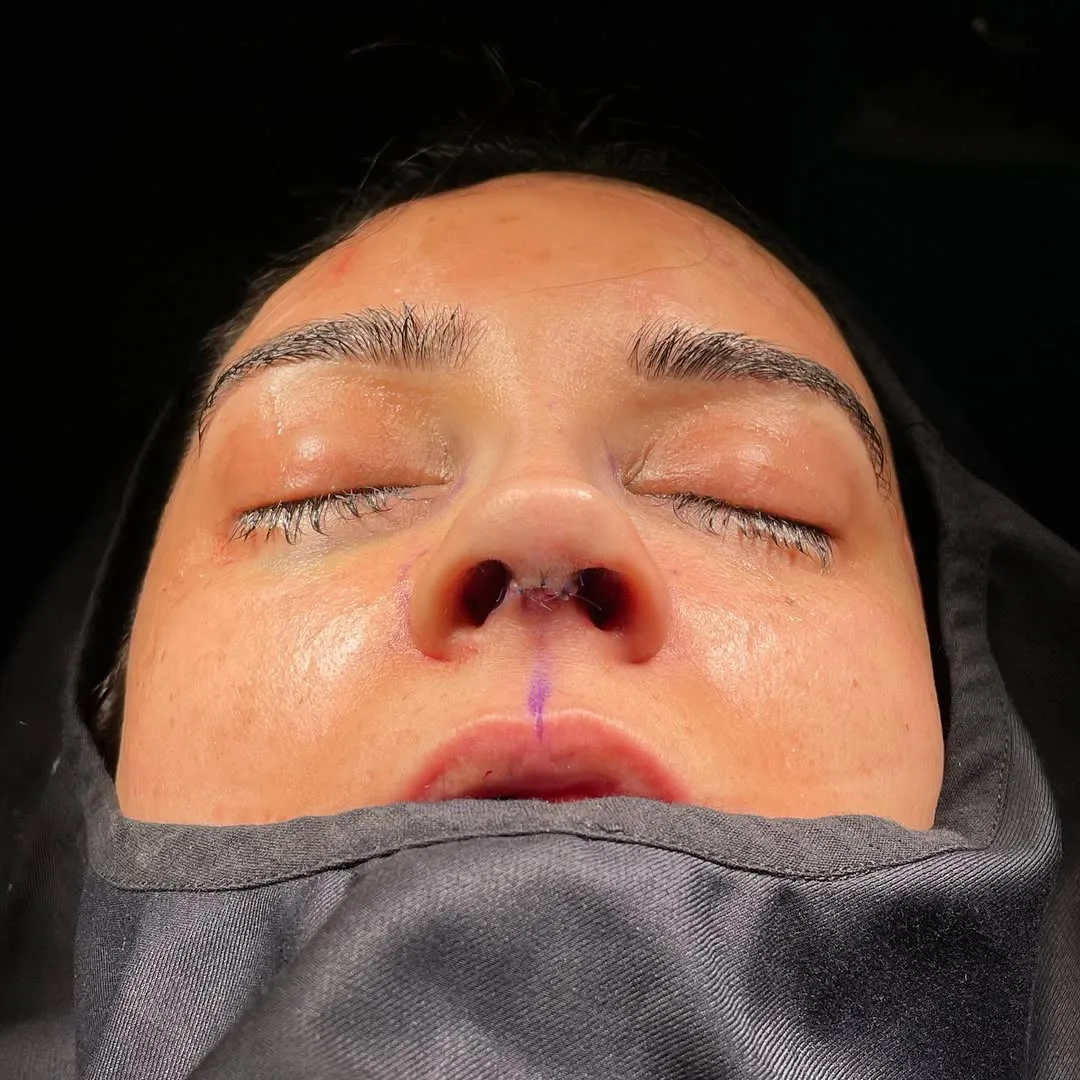
Ultrasonic Rhinoplasty Before and After in Turkey, Antalya




Conclusion: Ultrasonic Rhinoplasty or Traditional Rhinoplasty?
Both ultrasonic rhinoplasty and traditional rhinoplasty are effective techniques that can produce excellent cosmetic and functional results.
Ultrasonic rhinoplasty means more precision and less trauma to the tissues and potentially less bruising and swelling. Traditional rhinoplasty remains the gold standard for many surgeons because of its versatility, proven track record, and ability to treat even the most complex nasal conditions.
Patients should not be asking which technique is the best overall, but rather which technique is best for their specific nose and goals. A thorough consultation with an experienced rhinoplasty surgeon is the best way to determine the right approach and achieve a natural-looking, long-lasting result.
Patients considering rhinoplasty in Antalya, Turkey, should consult an experienced surgeon to determine whether ultrasonic or traditional rhinoplasty is the most suitable option for their individual anatomy and goals.
Frequently Asked Questions
Is ultrasonic rhinoplasty better than traditional rhinoplasty?
Ultrasonic rhinoplasty may offer greater precision and less tissue trauma, while traditional rhinoplasty remains highly effective for complex structural corrections.
Is ultrasonic rhinoplasty painful?
The procedure is performed under anaesthesia, and most patients experience only mild discomfort during recovery.
Does ultrasonic rhinoplasty leave scars?
Ultrasonic rhinoplasty using the closed (endonasal) technique usually results in no visible external scarring. For cases requiring an open rhinoplasty technique, a small incision is made in the columella that usually heals very well, becoming almost imperceptible over time. Ultrasonic (piezo) technology is not related to the skin incision per se but enhances accuracy in bone remodeling under the skin. Therefore, scarring is more dependent on the surgical approach and healing than on ultrasonic devices.
How long should I take off work after ultrasonic rhinoplasty?
Surgeons usually advise their patients to take about 7 to 10 days off work after undergoing ultrasonic rhinoplasty depending on the nature of their job and how quickly they heal. In the first week, mild bruising, swelling and nasal congestion are common. By the end of the second week, most of the visible signs of surgery have improved significantly, and many patients are able to return to office-based or non-strenuous work. But heavy physical work may require additional recovery time. Complete recovery still takes place over a few months.
Is ultrasonic rhinoplasty a permanent procedure?
Yes, the results of ultrasonic rhinoplasty are permanent once the healing process is complete. Structural changes are permanent to the nasal bones and cartilage. But final results depend on variables like surgical technique, skin thickness, response to healing and postoperative care. The result of the operation is permanent, but the nose can be influenced by natural aging and external trauma over the years.
Can ultrasonic rhinoplasty help you breathe better?
Functional corrections can be made in the surgical plan with ultrasonic rhinoplasty that can enhance breathing. For instance, if a nasal obstruction is due to structural issues like a deviated septum, narrow nasal valves, or irregularities in the bone, the procedure can alleviate the airway and enhance airflow. But if the surgery is purely cosmetic, you may not see any difference in the function of breathing. The outcome depends on the strategy to deal with the functional nasal problems and the aesthetic changes.
Can ultrasonic rhinoplasty be used for revision surgery?
The precision of ultrasonic instruments can be especially useful in revision rhinoplasty cases where detailed bone sculpting is required.
Does ultrasonic rhinoplasty reduce swelling?
Many surgeons have documented in their clinical studies and reports that ultrasonic rhinoplasty can lead to less post-operative swelling and bruising than traditional rhinoplasty. The ultrasonic device cuts and shapes bone without the trauma to surrounding tissues that can occur with traditional devices, resulting in a more comfortable early recovery period for patients.
There will be swelling after any nose surgery. That is to be expected. The degree of swelling is influenced by the thickness of the skin, the complexity of the surgery, the individual healing characteristics, and the adherence to postoperative instructions. Although ultrasonic rhinoplasty may enhance the early phase of healing, it still takes months for the final results to fully mature.
How long does it take to recover from ultrasonic rhinoplasty?
Most patients return to normal daily activities within 7–10 days. Swelling continues to improve over several months, and final results typically become visible within 6–12 months.
Please contact Op. Dr Ümit Küçüktepe for an examination and further information.
This article is intended for informational purposes only. The recommendations of your surgeon, who will examine you and perform nose surgery, should be a priority.