Many patients struggle with both breathing difficulties and dissatisfaction with the appearance of their nose. One of the most common questions they ask is: "Do I need two separate operations to correct both problems?" The answer is simple: No.
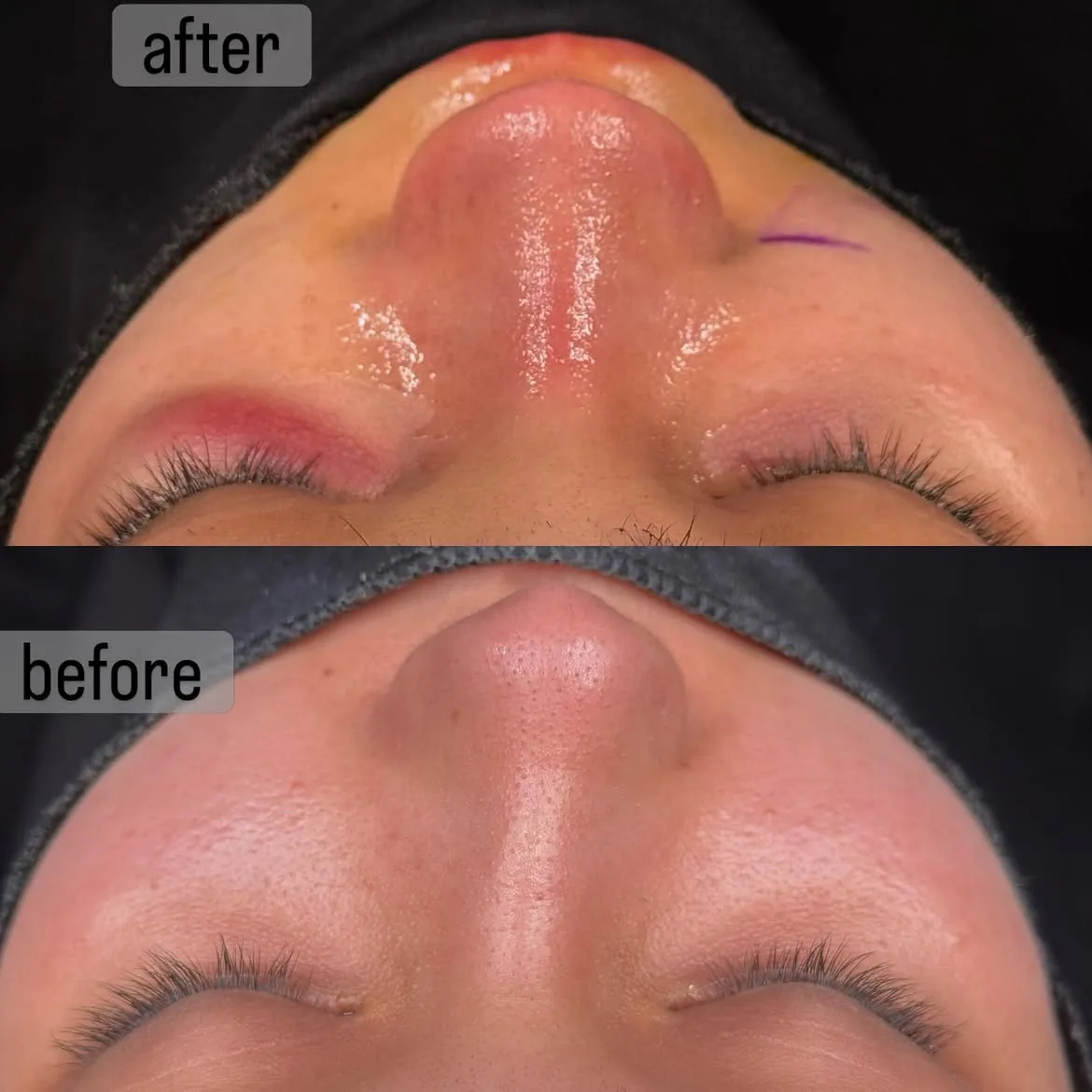
With septorhinoplasty performed by ENT Specialist Op. Dr. Ümit Küçüktepe in Antalya, Turkey, both problems can be addressed in a single procedure. The operation corrects the deviated nasal septum to improve airflow while simultaneously reshaping the external nose to create a more natural appearance that harmonises with the patient's facial features. This combined approach offers significant advantages in terms of both recovery time and overall convenience.

The Difference Between Septoplasty and Rhinoplasty
When people think of nasal surgery, two procedures are often confused: septoplasty and rhinoplasty. However, they serve very different purposes. One is performed to improve nasal function and breathing, while the other focuses on cosmetic appearance.
Septoplasty (Functional Surgery)
Septoplasty is performed to correct the nasal septum, the wall of cartilage and bone that separates the two nasal passages. When the septum is deviated, it narrows the airway and makes breathing difficult. The primary goal of septoplasty is to straighten the septum, eliminate nasal obstruction, and restore healthy airflow. The procedure is typically performed entirely through the nostrils, so it does not change the external appearance of the nose.
Rhinoplasty (Cosmetic Surgery)
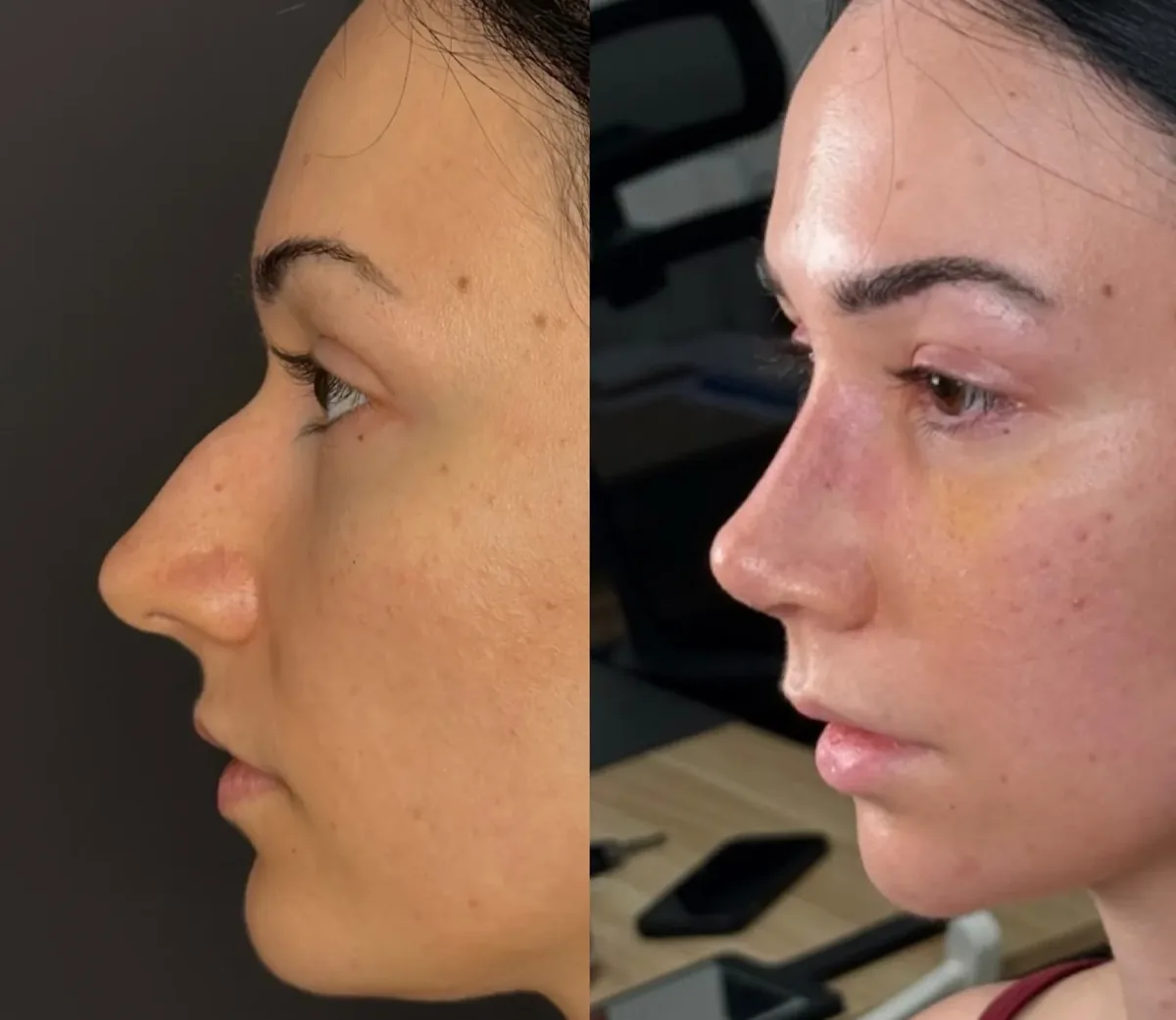
Rhinoplasty is a cosmetic procedure designed to improve the shape, proportions, and overall harmony of the nose with the rest of the face. During the procedure, the surgeon may remove a dorsal hump, refine or elevate the nasal tip, narrow the nostrils, or increase or reduce the size of the nose. The goal is to create a natural-looking nose that complements the patient's facial features.
Septorhinoplasty (Combined Surgery)
Many patients have both a deviated septum and cosmetic concerns about the appearance of their nose. Septorhinoplasty addresses both issues during the same operation by correcting the internal septal deviation while simultaneously reshaping the external nose.
These procedures may be performed separately or together, depending entirely on the patient's concerns. Patients with breathing problems alone usually require only septoplasty, whereas those seeking cosmetic improvement alone may undergo rhinoplasty. However, it is important to remember that the septum is the primary structural support of the nose. Many external nasal deviations are actually caused by an underlying septal deviation. For this reason, correcting the septum is often recommended to achieve stable, long-lasting aesthetic results. Combining both procedures provides the greatest benefit by requiring only one anaesthetic and one recovery period.
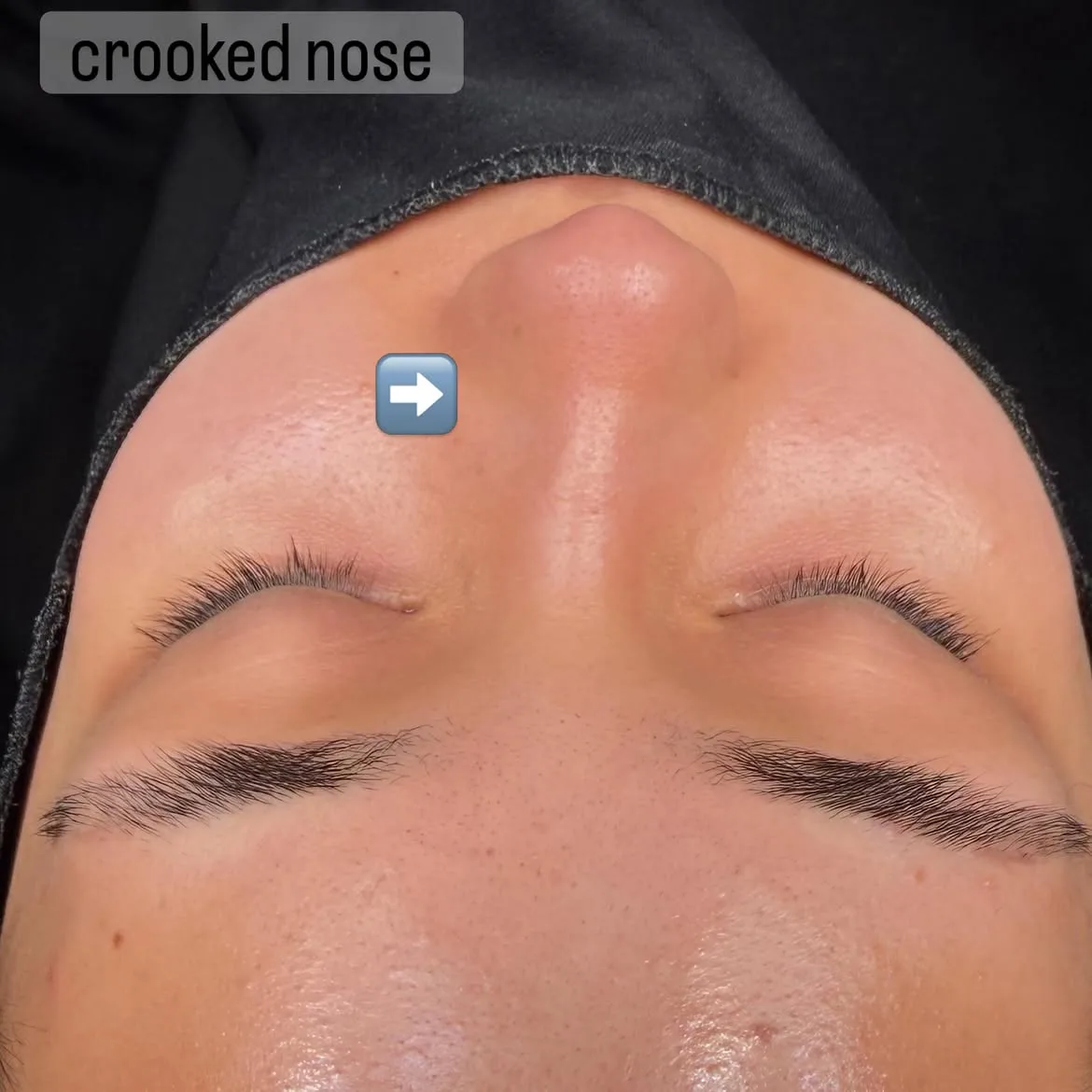
A crooked nose can affect both your appearance and your ability to breathe. Septorhinoplasty corrects the underlying structural problems, improving nasal function while creating a natural, balanced appearance that complements your facial features. Every nose is unique, and every treatment plan is customised to the individual patient.
Who Is a Good Candidate for Septorhinoplasty?
Septorhinoplasty (SRP) is a comprehensive surgical procedure performed on patients who require nasal reconstruction for both functional and cosmetic reasons. It may be recommended for individuals with the following conditions:
Patients with a Crooked Nose and Cosmetic Concerns
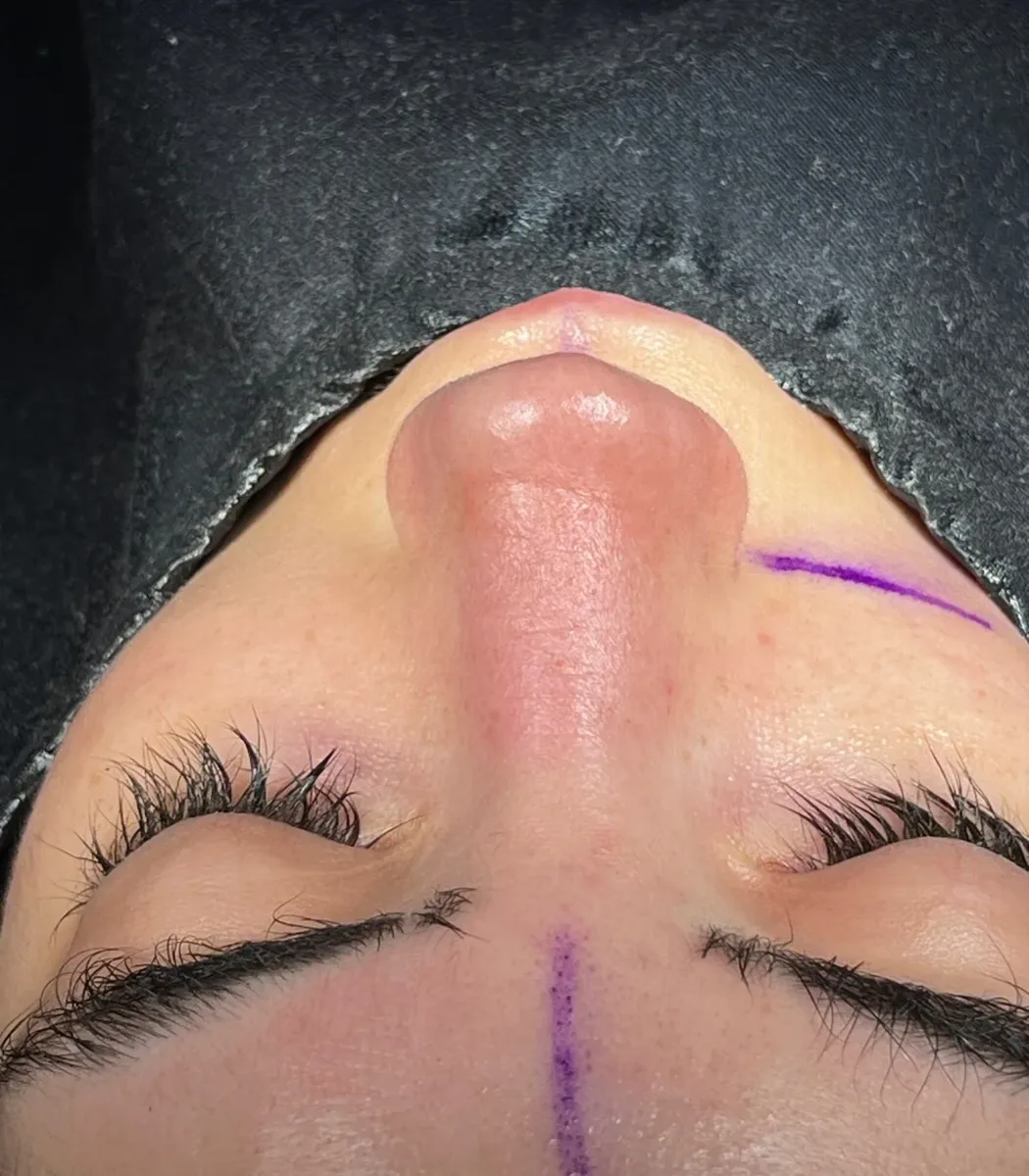
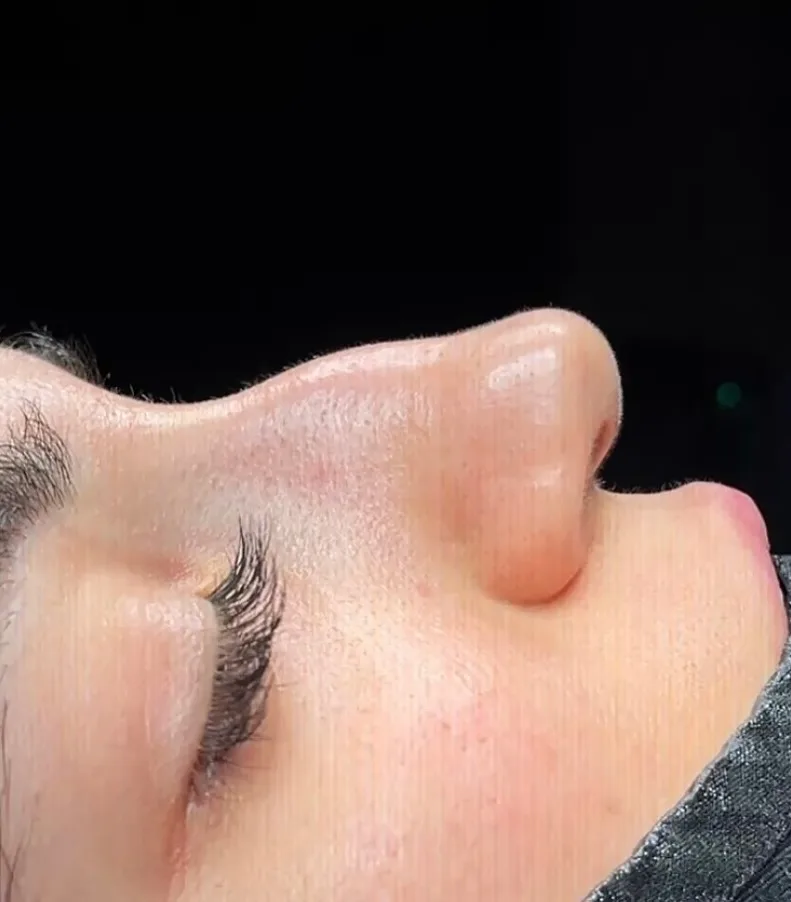
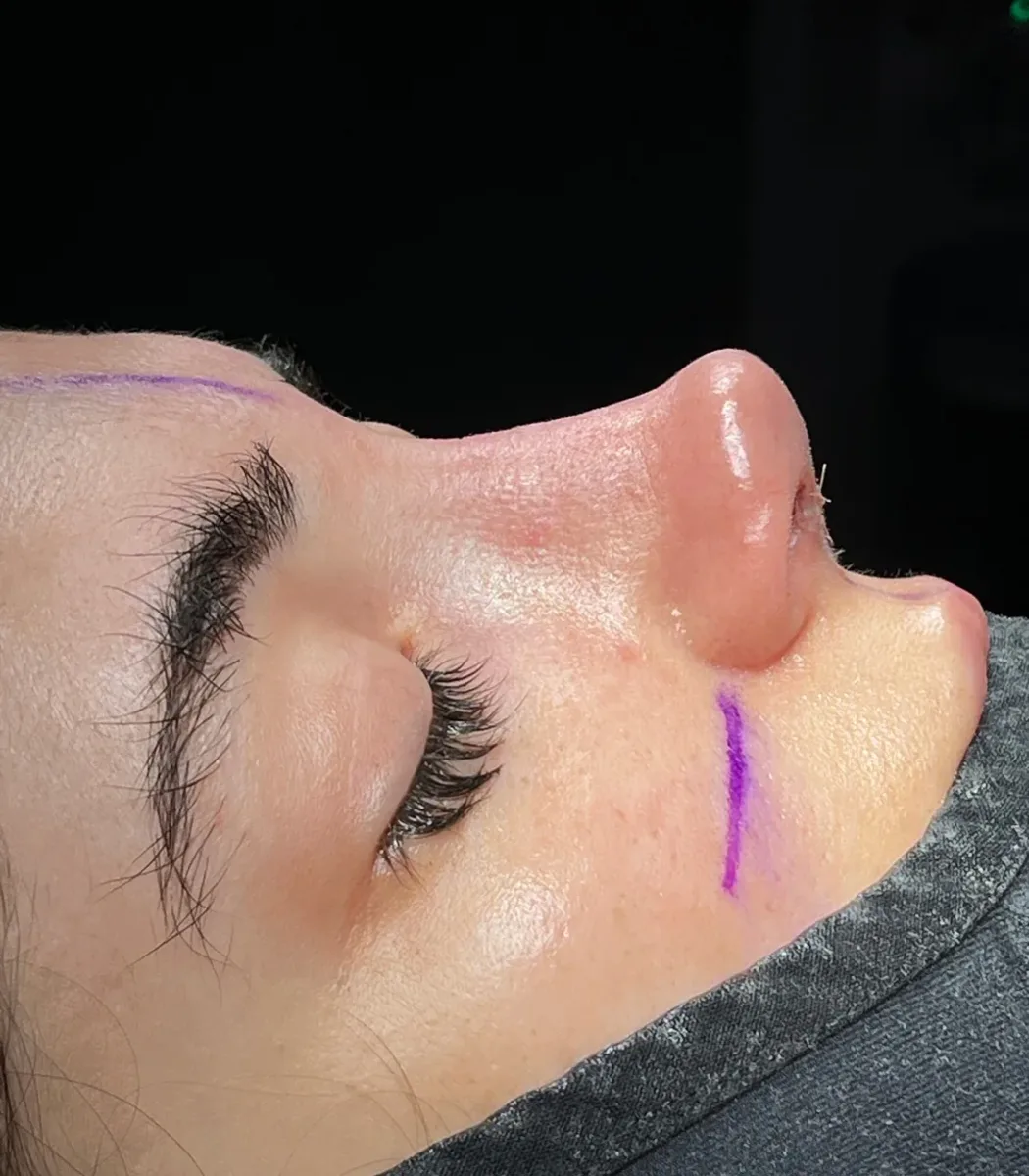
Deviated nasal septums are common and are typically classified as C-shaped or S-shaped deviations. These internal deformities not only restrict airflow but can also cause the nose to appear crooked or asymmetrical. Since the nose occupies the centre of the face, even minor deviations can noticeably affect facial balance. Septorhinoplasty corrects the internal structural support by repositioning the septum while simultaneously addressing external asymmetry to achieve a more balanced and natural appearance.
Patients with Both Breathing Problems and Cosmetic Dissatisfaction
Most patients undergo surgery because they want both improved breathing and a more attractive nasal appearance. They often experience nasal obstruction while also being concerned about features such as a dorsal hump, a large, drooping, under-projected, or asymmetrical nasal tip. A successful septorhinoplasty improves the appearance of the nose without compromising its function, while ideally enhancing both aesthetics and breathing at the same time.
Patients Who Previously Had Septoplasty but Now Desire Cosmetic Improvement
Patients who previously underwent septoplasty solely to improve breathing represent another important group of septorhinoplasty candidates. In some cases, external nasal deformities, such as a crooked nose, may not have been corrected during the initial operation, or cosmetic concerns may become more significant over time.
Septorhinoplasty is also the preferred solution for correcting deformities such as saddle nose, which may develop after excessive cartilage removal during previous surgery. In these secondary revision rhinoplasty procedures, the open septorhinoplasty technique is generally preferred because it provides direct visualisation of the nasal framework, allowing the surgeon to perform a more precise reconstruction.
Patients with Congenital Nasal Deformities
Individuals born with congenital nasal abnormalities, patients whose nasal structure has been severely damaged following trauma or accidents, and those who have lost nasal tip support due to ageing may also be suitable candidates for septorhinoplasty.
Is It Better to Combine Septoplasty and Rhinoplasty?
Combining septoplasty and rhinoplasty into a single procedure, known as septorhinoplasty (SRP), offers numerous advantages for both the patient and the surgeon. This combined approach is preferred for the following reasons:
One Anaesthetic and One Recovery Period
Septorhinoplasty is typically performed under general anaesthesia and usually takes between 1.5 and 3 hours, depending on the complexity of the procedure. Combining both operations eliminates the need for the patient to undergo general anaesthesia twice.
In addition, only one recovery period is required for postoperative bruising and swelling. Most patients can return to work within 7 to 14 days after surgery, avoiding the need for two separate recovery periods associated with staged procedures.
Cost Advantage
Two separate surgical procedures require two hospital admissions, two anaesthesia teams, and two operating theatre sessions. Performing both procedures during a single operation minimises hospital and surgical costs, providing significant financial savings for the patient.
The Psychological Benefit of Solving Two Problems at Once
Correcting both functional and cosmetic concerns during the same operation allows patients to overcome breathing difficulties and aesthetic dissatisfaction simultaneously, resulting in a high level of overall patient satisfaction.
A Comprehensive Surgical Approach
From a technical perspective, the nasal septum is the central structural support of the nose and directly influences the external nasal framework. When the nasal bones and cartilaginous framework, including the keystone area, are evaluated as a single anatomical unit, the surgeon can achieve both functional and aesthetic goals with greater precision.
Graft Utilisation
Cartilage removed during septoplasty because of deviation serves as the most natural and ideal source of graft material for rhinoplasty. These cartilage grafts can be used as spreader grafts and columellar strut grafts to improve nasal shape and support the internal nasal airway.
Proper Alignment
An externally crooked nose is often caused by an underlying septal deviation. Therefore, performing cosmetic rhinoplasty without correcting the deviated septum may allow the nose to gradually return to its previous crooked position over time. Evaluating and correcting both structures simultaneously provides more stable, balanced, and long-lasting results.
How Is Septorhinoplasty Performed?
The procedure generally consists of elevating the nasal soft tissue envelope, identifying the existing functional and aesthetic problems, and performing the necessary surgical corrections. Septorhinoplasty is usually carried out under general anaesthesia, and the majority of patients are discharged on the same day or after an overnight stay.
Choosing Between the Open and Closed Techniques
Depending on the patient's anatomy and the severity of the nasal deformity, surgeons choose one of two main surgical techniques:
Closed Technique
In the closed technique, all incisions are made inside the nostrils, leaving no visible external scars. Its main advantages are reduced soft tissue trauma and faster resolution of postoperative swelling. However, because the surgeon's visual field is more limited, it is generally more challenging to treat severe deviations or complex nasal deformities using this approach.
Open Technique
The open technique involves a small incision across the columella, the strip of skin between the nostrils, allowing the nasal skin to be elevated. This provides direct visualisation of the nasal tip and skeletal framework, enabling the surgeon to reshape the structures with millimetre-level precision. It is particularly advantageous for traumatic crooked noses, complex grafting and suturing procedures, and revision rhinoplasty cases. When proper closure techniques are used, the small external scar usually becomes barely noticeable after healing.
The Role of Piezo Technology in Combined Surgery
In modern septorhinoplasty, Piezo (Ultrasonic) technology, which uses ultrasonic vibrations to reshape bone, plays an important role. While conventional techniques rely on controlled osteotomies to reshape the nasal bones, Piezo technology allows the surgeon to cut, sculpt, and smooth bone with micrometric precision. Its main advantages include:
- It selectively acts on bone tissue, minimising injury to surrounding soft tissues, blood vessels, and nerves.
- It allows the deeper portions of the bony septum to be removed or reshaped more safely.
- It significantly reduces postoperative bruising and swelling, making the recovery period more comfortable.
How Long Does the Surgery Take?
Because septorhinoplasty combines both functional and cosmetic procedures, it generally takes longer than a standard septoplasty. The duration depends on the complexity of the nasal deformity and any additional procedures, such as turbinate reduction.
- The operation usually takes between 90 minutes and 3 hours, with an average duration of approximately 2 to 3 hours.
- Primary (first-time) procedures with less extensive correction may take less time, whereas complex revision cases requiring cartilage grafts from the rib or ear may last up to 3 hours or longer.
Recovery After Septorhinoplasty
Recovery after septorhinoplasty is a gradual process that takes place over time. The operation is usually performed under general anaesthesia and lasts approximately 2 to 3 hours. Most patients are discharged on the same day. Feeling drowsy and experiencing mild nausea during the first few hours after surgery is normal.
The First Week
After surgery, a protective nasal cast or plastic splint is placed on the outside of the nose, while soft silicone splints are inserted inside the nostrils to support breathing and prevent adhesions. These supports are usually removed by your surgeon about one week after the operation. The internal sutures are generally absorbable and dissolve on their own. Mild blood-tinged nasal drainage during the first 5 to 7 days is considered normal.
Managing Swelling and Bruising
Bruising beneath the eyes and facial swelling are expected after surgery and usually improve significantly within the first two weeks. To minimise swelling, patients are advised to sleep with their head elevated at approximately 30 to 45 degrees using several pillows and to apply cold compresses around the eyes during the first few days.
Is Recovery Different After Septoplasty and Rhinoplasty?
Yes. Although the procedures are often performed together, their recovery characteristics differ because they focus on different anatomical structures.
Septoplasty Recovery
Septoplasty involves primarily "internal" healing. Since the cartilage and mucosa of the nasal septum are corrected, there is usually little or no visible bruising or swelling externally. Recovery is generally felt more quickly; however, nasal congestion during the first week is common because of internal swelling, crusting, and the presence of splints.
Rhinoplasty Recovery
Rhinoplasty involves more visible and longer-term healing. Because the nasal bones and external framework are reshaped, bruising, swelling, and the use of an external splint are expected. Final aesthetic results take considerably longer because the skin must gradually adapt to the newly shaped bone and cartilage framework.
Septorhinoplasty (Combined Procedure)
Recovery after septorhinoplasty includes both processes simultaneously. Patients experience the internal healing associated with septoplasty, including the need for nasal irrigation, while also going through the external swelling and reshaping process associated with rhinoplasty.
Recovery Timeline and Postoperative Guidelines
- Blowing your nose and sneezing: Avoid blowing your nose for the first 1 to 2 weeks. If you need to sneeze, keep your mouth open to reduce pressure inside the nose.
- Physical activity: Avoid heavy lifting and strenuous exercise for 2 to 3 weeks. Contact sports and activities that carry a risk of nasal trauma should be avoided for at least 3 months.
- Nasal irrigation: Saline nasal irrigation usually begins the day after surgery. It helps remove blood clots and crusts from the nasal passages, promotes healing, and improves comfort.
- Final results: Approximately 80% of the swelling subsides by the sixth week, and around 90% resolves by the third month. However, complete healing and the final shape of the nose, particularly at the nasal tip, may take between 12 months and 2 years.
To learn more about septorhinoplasty and determine the most appropriate treatment plan for you, you can schedule a consultation with Op. Dr. Ümit Küçüktepe by requesting an evaluation.
Frequently Asked Questions
The duration of the procedure depends on the complexity of the nasal deformity but generally ranges from 90 minutes to 3 hours.
Most patients can return to work or their normal daily routine within 7 to 14 days after surgery. Those with physically demanding jobs may require a longer recovery period.
As with any surgical procedure, there are potential risks such as bleeding, infection, and scar tissue formation inside the nose. However, these risks are relatively low when modern surgical techniques are used. In a small percentage of cases (around 10%), a minor revision procedure may be required to achieve the desired result.
Yes. Patients who have previously undergone septoplasty to improve breathing can later choose to have rhinoplasty or revision septorhinoplasty to improve the external appearance of the nose.
Please contact Op. Dr Ümit Küçüktepe for an examination and further information.
This article is intended for informational purposes only. The recommendations of your surgeon, who will examine you and perform nose surgery, should be a priority.