
When researching the rhinoplasty procedure, you’ll come across two different rhinoplasty techniques: open rhinoplasty and closed rhinoplasty. While some clinics recommend only one of these techniques, others use both. When evaluating reviews from patients who have undergone rhinoplasty, it is evident that both those who opted for closed rhinoplasty and those who chose open rhinoplasty are satisfied with their results. Therefore, it is quite normal to feel some confusion when researching this procedure.
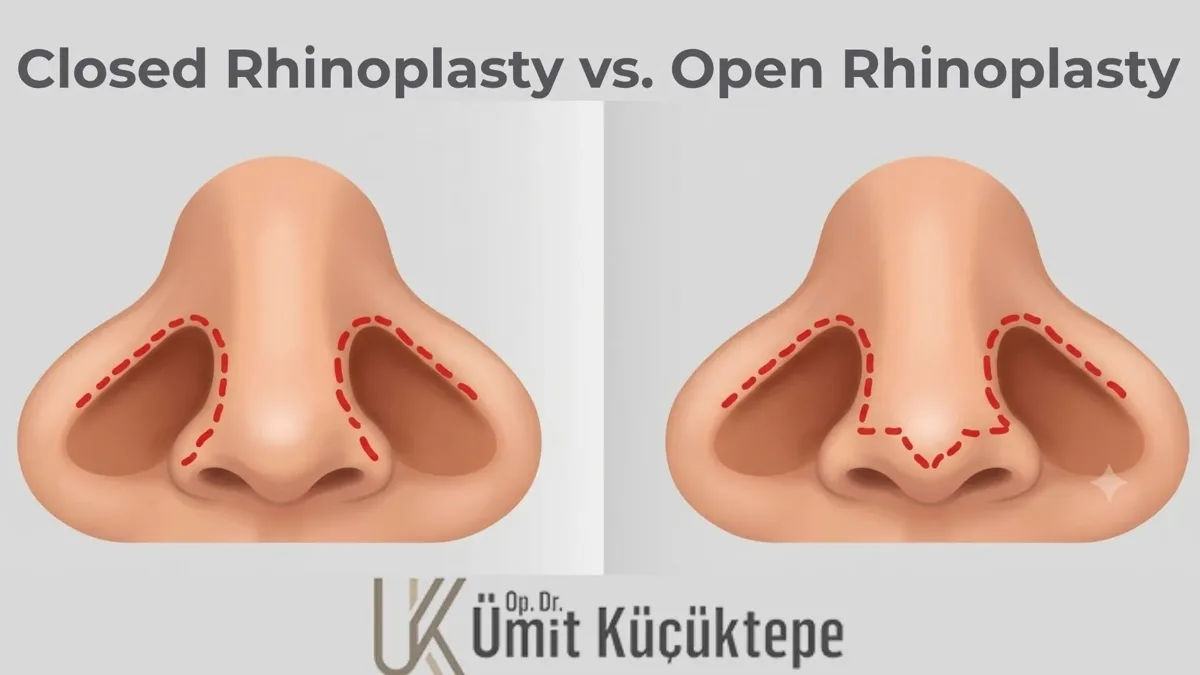
First of all, it’s important to note that the question of whether to choose open or closed rhinoplasty isn’t really a question of “which is better.” Both are acceptable and valid options. However, both can lead to poor results if performed by the wrong specialist on the wrong patient.
- Open rhinoplasty offers greater visibility and is often preferred for complex cases.
- Closed rhinoplasty leaves no external scar and may provide a slightly quicker initial recovery.
- Neither technique is universally better. The most suitable approach depends on your nasal anatomy, aesthetic goals, and your surgeon’s recommendation.
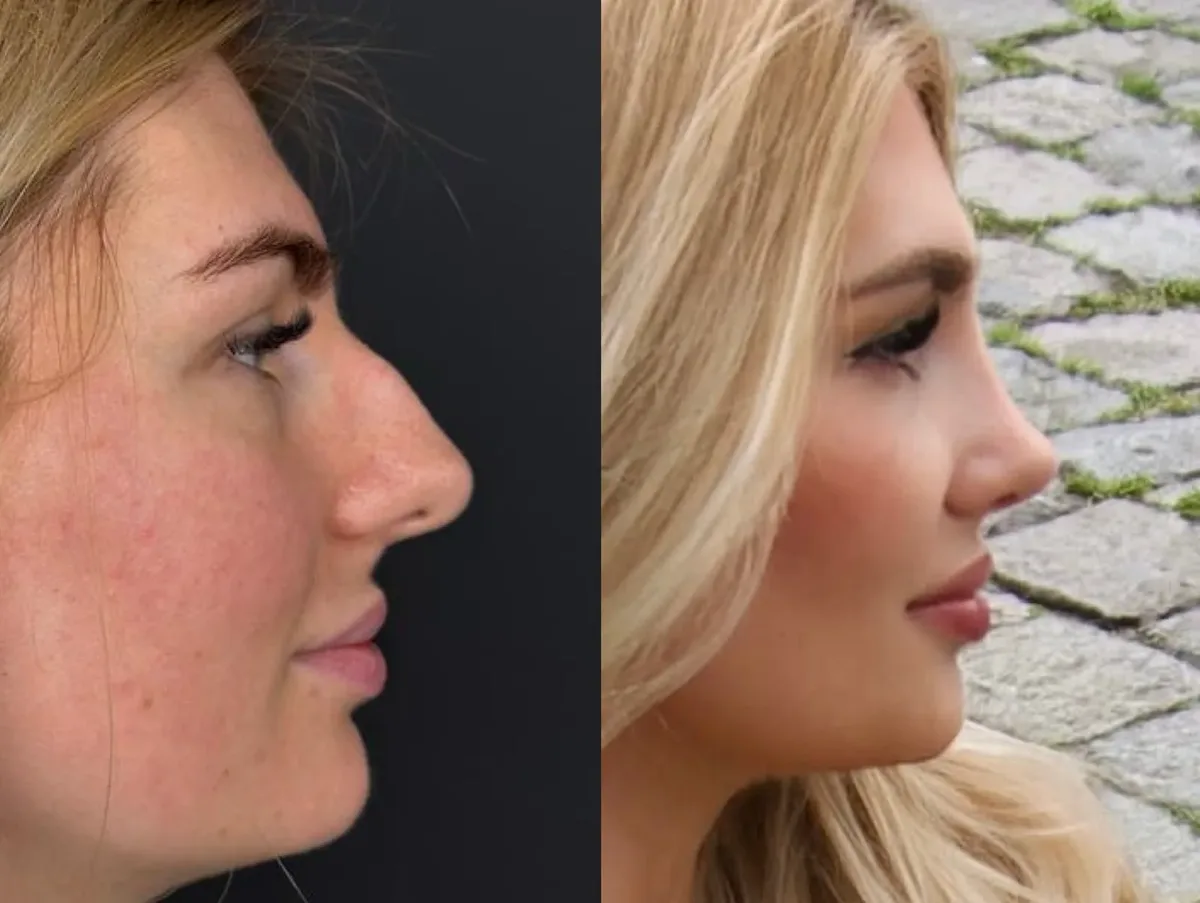
The right question is, "Which one makes more sense for your nose?"
To understand the differences, you first need to know what open and closed rhinoplasty are.
What is Closed Rhinoplasty?
In closed rhinoplasty (also known as the endonasal technique), all incisions are made inside the nose. When viewed from the outside, no scars are visible.
Through these incisions made inside the nostrils, the surgeon gains access to the interior of the nose and makes the necessary corrections. However, there is an important point to note here: the surgeon’s field of view is limited. In some cases, this limited visibility poses no problem at all. It can even be an advantage, as less tissue is exposed and the healing process proceeds a bit more smoothly.
However, in complex cases—such as those requiring detailed shaping of the tip of the nose—working with a limited field of view is much more difficult for the surgeon.
What is Open Rhinoplasty?
In open rhinoplasty, a small incision is made in the thin strip of skin between the nostrils (the columella). Through this incision, the nasal skin is gently lifted. The surgeon can now work while directly viewing the entire structure. A small scar remains on the columella.
However, it’s important to note that this scar is located in one of the least visible areas of the nose. The person you’re talking to would have to specifically lean in and look closely to examine your nose. In most patients, this scar becomes nearly invisible within a few months.
The main advantage of the open technique is not the scar itself, but the surgeon’s ability to clearly see the entire structure. This line of sight is particularly valuable in complex cases, revision surgeries, and when detailed work on the tip of the nose is required.
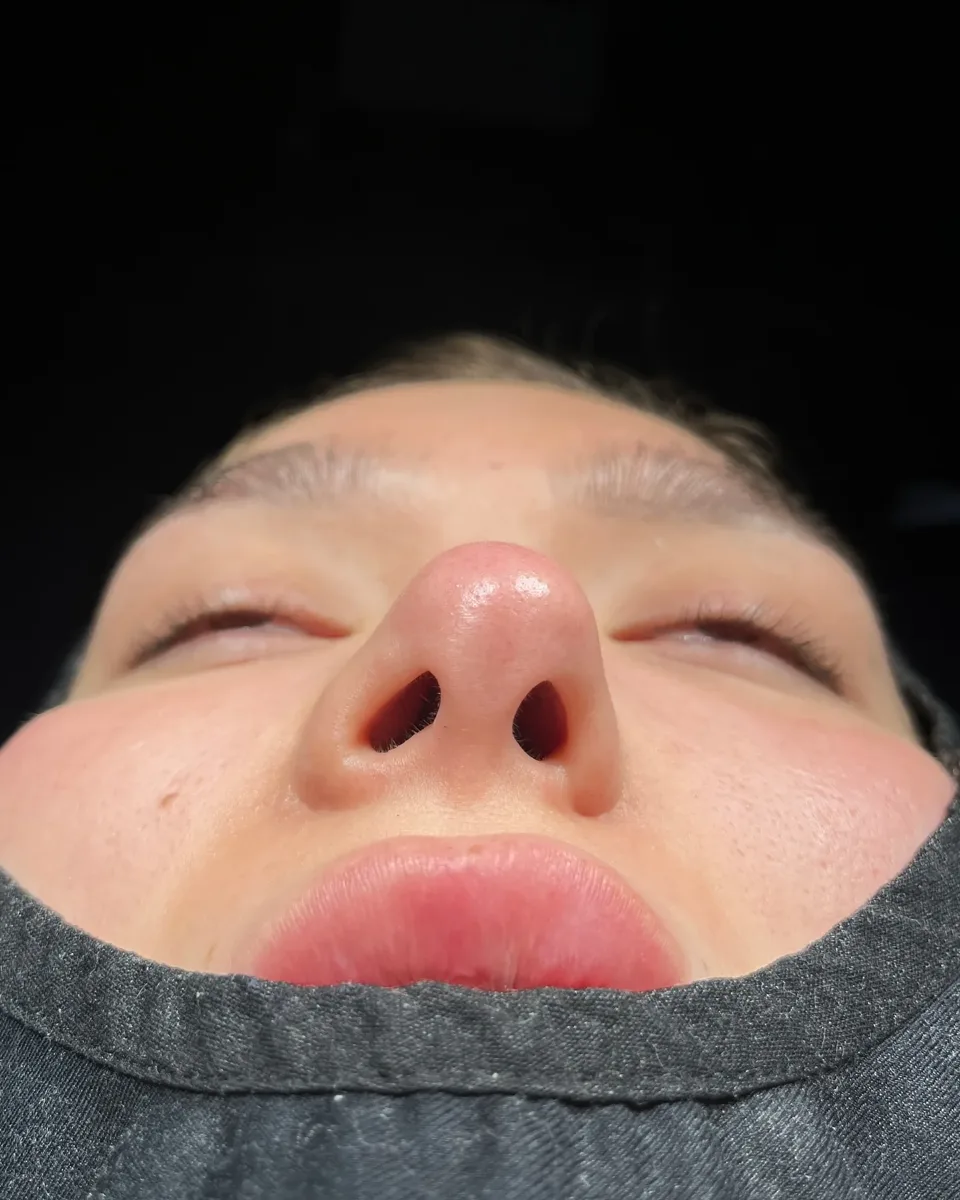
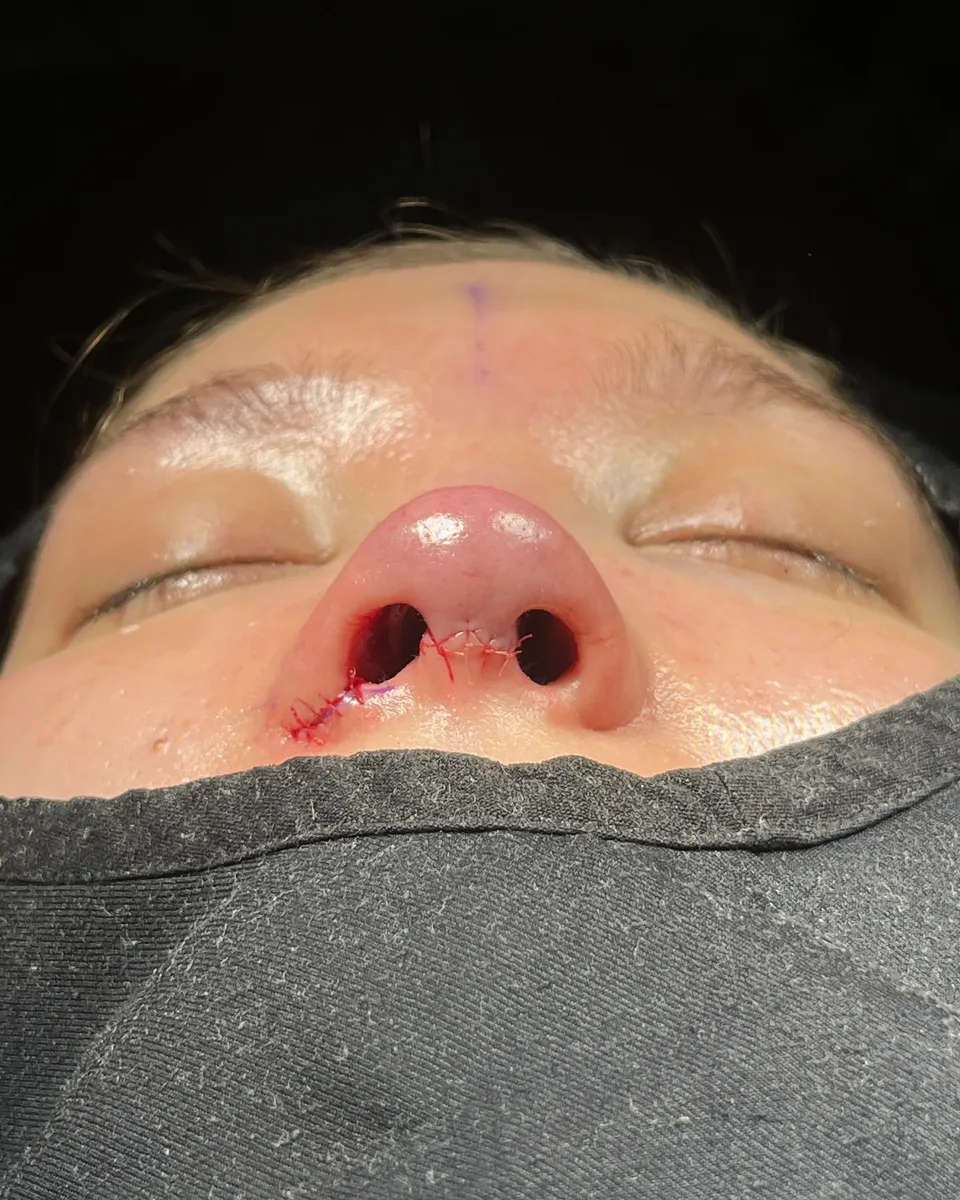
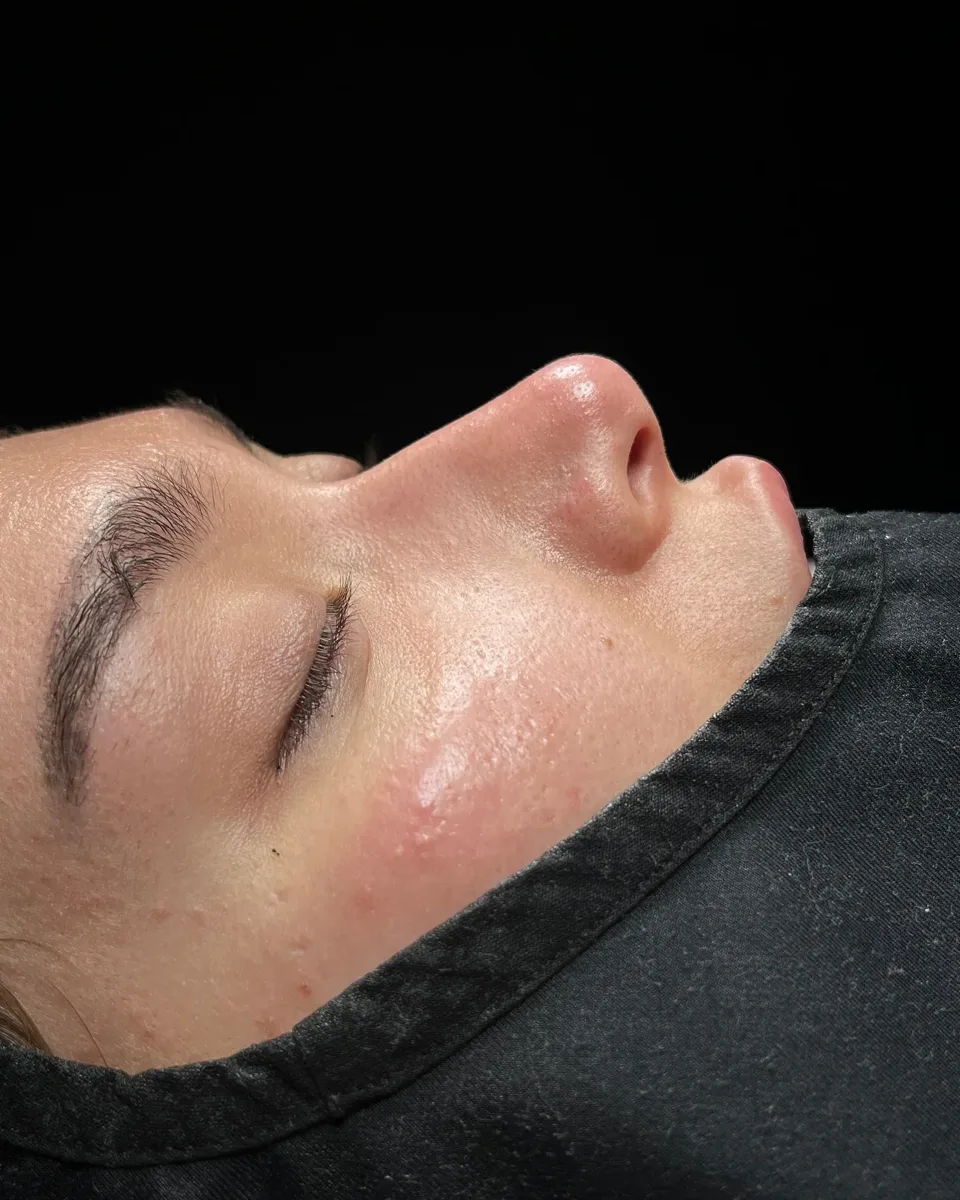
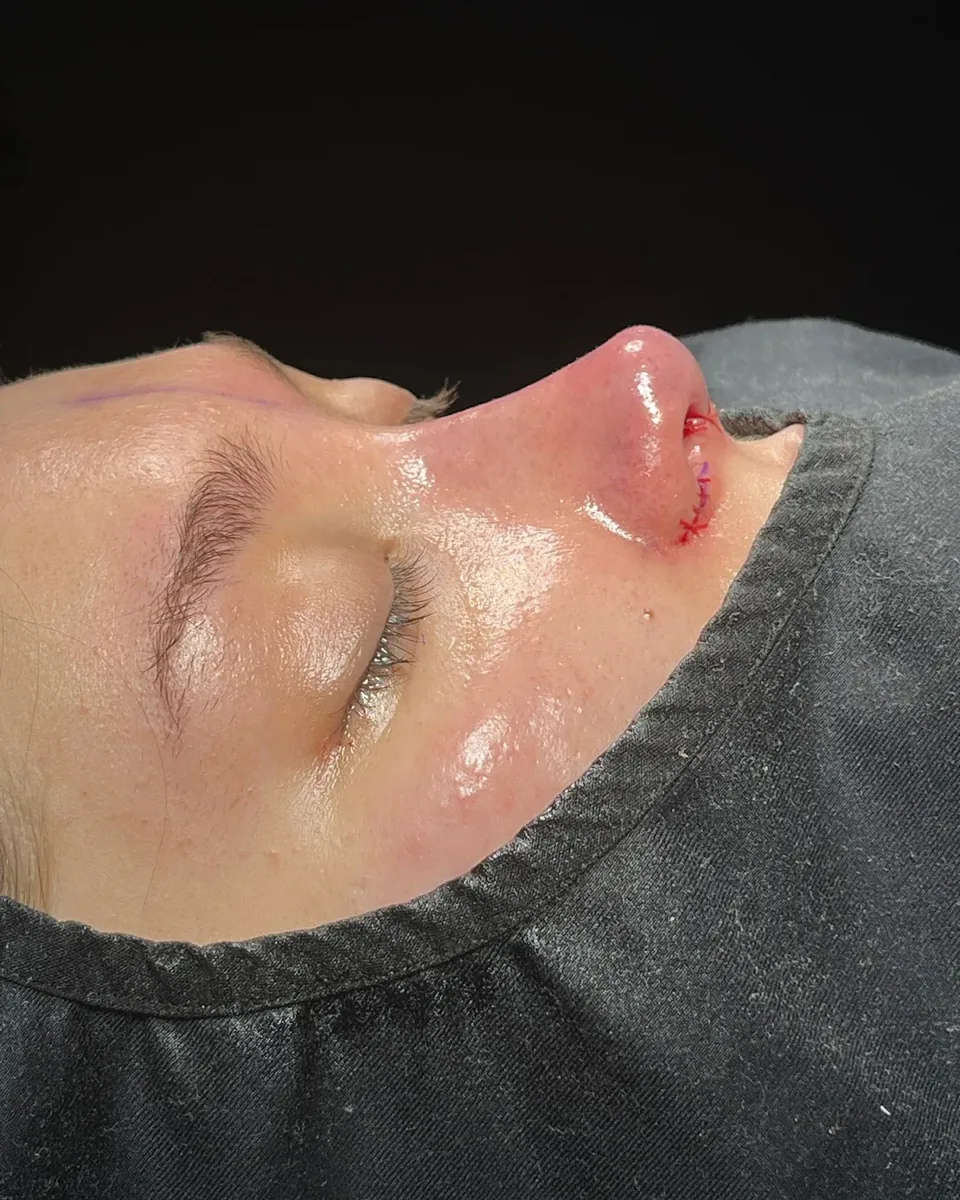
The Difference Between Open and Closed Rhinoplasty
| Feature | Closed Rhinoplasty | Open Rhinoplasty |
|---|---|---|
| Incision | Inside nostrils | Columella |
| Visible scar | No | Small |
| Recovery | Slightly faster | Slightly longer |
| Best for | Minor corrections | Complex cases |
| Surgical visibility | Limited | Excellent |
| Revision surgery | Less common | Often preferred |
There is a slight difference, but it’s not dramatic.
With the closed technique, swelling at the tip of the nose may subside a little sooner. With the open technique, there may be slightly more swelling at first because a larger area is involved in the procedure.
In both cases, it’s important to know that you’ll need to wait at least 6 months—and up to 12 months for certain details—to see your nose’s true appearance. The nose you see in the first few weeks is not its final form.
Is closed rhinoplasty better than open rhinoplasty?
No. Neither technique is universally better. The most appropriate approach depends on your nasal anatomy, surgical goals, and the complexity of the procedure.
While the absence of an external scar may seem appealing, the most important consideration is achieving a safe, functional, and aesthetically pleasing result. Selecting the most appropriate surgical technique should always take priority over concerns about minimal scarring.
Choosing the wrong technique out of fear of scarring directly affects the outcome of your nose job. And this outcome will stay with you for much longer than the scar itself.
Open vs Closed Rhinoplasty: Which is best for me?
It’s not possible to determine the best approach without an examination.
The closed technique is preferred in cases where the overall structure of the nose is good and only a limited correction is needed—that is, when minimal intervention at the tip of the nose is required.
The open technique, on the other hand, is preferred in cases requiring extensive work on the tip of the nose, where asymmetry is pronounced, in revision cases, or in procedures that require the use of structural grafts.
However, it’s important to note that some surgeons specialize in only one technique and tend to use it for nearly all procedures. In such cases, the choice is determined not by your preference but by the surgeon’s expertise.
An experienced surgeon should be able to perform both techniques effectively and select the one that’s best for you. This flexibility is crucial.
How is rhinoplasty performed?
The process involves similar steps in both techniques.
General anesthesia is administered. The surgeon accesses the nasal tissues using either the open or closed technique. The cartilage and bone tissues are reshaped according to the surgical plan. If necessary, a graft is taken from the ear or rib cartilage. The incisions are closed, and a protective splint is applied.
The duration of the surgery varies depending on the extent of the procedure. With the closed technique, the recovery period is generally shorter. The open technique requires a longer recovery period but allows for more extensive work.
Consultation Before Making a Decision
You can find the answer to the question of whether to choose open or closed rhinoplasty during a consultation. When your nasal anatomy, your expectations, and the scope of the planned procedure are evaluated together, it becomes clear which technique is more appropriate. With modern techniques such as piezo rhinoplasty, both methods can be performed with greater precision.
Frequently Asked Questions
Does closed rhinoplasty leave any scars?
There are no external scars. All incisions are made inside the nose.
When does the scar from open rhinoplasty fade?
In most patients, it fades noticeably within 3 to 6 months. It becomes nearly invisible within 12 months.
Are the results of closed rhinoplasty the same as the open technique?
Yes, in the right case. No, in the wrong case. It’s not the quality of the technique that matters, but whether it’s appropriate for the case.
How long does rhinoplasty surgery take?
On average, 2–4 hours. It depends on the extent of the procedure and the technique used.
When can I return to work after closed rhinoplasty?
With both techniques, it is possible to return to daily life in about 7–10 days.
Please contact Op. Dr Ümit Küçüktepe for an examination and further information.
This article is intended for informational purposes only. The recommendations of your surgeon, who will examine you and perform nose surgery, should be a priority.