The Latest Rhinoplasty Techniques in Turkey
Trends in rhinoplasty have undergone a significant shift over the past twenty years, moving away from the concept of ‘aggressive reduction’ towards a ‘preservative and balancing’ approach. In the 1970s and 1980s, the standard practice involved removing cartilage and bone to reduce the size of the nose, which often resulted in ‘slope-like’ curved bridges and excessively narrowed nostrils.
The current changes are as follows:

Personalisation:
Rather than ‘one-size-fits-all’ noses, the focus is now on noses that preserve the individual’s ethnic identity and facial features. For example, preserving a slight dorsal bridge in patients of Eastern European descent or avoiding excessive elevation of the nasal tip in an Asian patient is now a matter of preference.
The influence of social media:
Whereas patients used to request noses resembling those of certain celebrities, they now draw inspiration from social media influencers and request softer, more distinctive changes that reflect their own individuality.
Minimal trauma:
Thanks to technologies such as piezo surgery (ultrasonic bone reshaping), bones can be reshaped without being broken, which reduces post-operative bruising and swelling and shortens the recovery period to as little as one week.
The selfie effect:
As smartphones make noses appear 30% larger than they actually are. This has led more people to consult surgeons about asymmetry and minor imperfections.
Natural rhinoplasty trend in Turkey, Antalya
Natural rhinoplasty is currently the biggest trend and has become the established standard. Today’s well-informed patients absolutely do not want it to be obvious that they have had surgery. The reasons for this trend are as follows:
Less aggressive techniques:
Modern surgeons now prefer to reshape the nose using suture techniques and enhance nasal support, rather than cutting away cartilage.
Preservation of individual character:
Patients no longer wish to look ‘like someone else', but rather to look like ‘a better version of themselves'.
Functional priority:
Breathing difficulties caused by excessively reduced noses in the past have made both surgeons and patients more aware that a nose must be both aesthetically pleasing and functional.
What is Natural Rhinoplasty in Turkey, Antalya?
Natural rhinoplasty ensures that the nose is in perfect balance and harmony with the face, without giving the impression of having undergone surgery when viewed from the outside. A natural nose should appear harmonious and unoperated and should highlight the beauty of the eyes or lips rather than overshadowing them. The modern approach views the nose not as a project of 'reinvention' but as a delicate process of ‘refinement’ within the harmony of the face.
The key features of natural rhinoplasty are as follows:
Structural preservation (preservation rhinoplasty):
This technique involves lowering the nose by creating an incision beneath it while ensuring the integrity of the ligaments and cartilage on the nasal bridge remains intact. This preserves the natural contour of the nasal bridge.
Soft contours:
Instead of sharp, pointed, or ‘pincered’ nasal tips, the aim is to create tips that are rounder, with smooth transitions and natural anatomical curves.
Dynamic harmony:
The nose should adapt to the facial muscle movements when the person smiles or speaks; it should not appear ‘frozen’ or stiff.
A nose that allows for breathing:
A truly natural nose does not merely look good from the outside; it also possesses optimal breathing function so as not to impair the patient’s quality of life.
How does Natural Rhinoplasty achieve facial balance and harmony?
- Natural rhinoplasty begins with ‘nasofacial analysis,' which treats the nose not as an independent organ but as a part that must harmonize with the face as a whole.
- In the modern approach, the focus is on designs that preserve the individual’s unique and ethnic features, rather than producing a one-size-fits-all (cookie-cutter) nose. To achieve this harmony, surgeons meticulously calculate the proportions of the nose in relation to the lips, eyes, and chin; for example, the size and asymmetry of the nose should ensure it blends seamlessly with the face, thereby helping the eyes and lips to stand out.
- To achieve facial balance, not only the shape of the nose but also the angle between the forehead and the nose (nasofrontal angle) and the projection of the chin are assessed.
- A natural result aims to avoid ‘slide-like’ ridges or excessively lifted tips that make the nose look operated on, instead creating soft contours and smooth transitions.
- During this process, computer-generated imaging (CGI) systems enable the patient to visualise how their unique facial structure will change prior to surgery and to focus on a shared goal with the surgeon.
What are the differences between structural and preservation techniques in natural rhinoplasty?
Today, there are two fundamental philosophies used to achieve natural-looking results: structural (strategic) and preservation techniques. Whilst the preservation technique aims to refine the nose without altering its natural anatomy, the structural technique reconstructs the nose to create a support mechanism that will not collapse or become deformed over a lifetime.
Preservation Rhinoplasty:
This technique involves ‘push-down’ or ‘let-down’ methods, which aim to lower the nose without compromising the integrity of the bone and cartilage on the nasal bridge. Instead of shaving the upper part of the nose, an incision is made beneath the nose, allowing the nasal bridge to be lowered as a single unit. The greatest advantage of this method is that it preserves the nose’s natural ligaments and soft tissues to a large extent, thereby resulting in less swelling and faster healing.
Structural Rhinoplasty:
This approach is particularly favoured in complex cases, revision surgeries, or for individuals with weak cartilage support. In this method, a robust skeletal framework is established using cartilage grafts (such as spreader grafts and columellar struts) to ensure the nose maintains its shape in the long term. The structural approach focuses on repositioning existing structures and reinforcing deficient areas rather than removing tissue.
What modern technologies and techniques are used in natural rhinoplasty?
Modern technology offers advanced techniques that make rhinoplasty less invasive and more predictable:
Piezo surgery (ultrasonic rhinoplasty):
In this technique, ultrasonic sound waves, which vibrate at 30,000 Hz (cycles per second), have replaced the traditional use of a hammer and chisel. The piezo device cuts only the bone, causing no damage to surrounding soft tissues, blood vessels, or nerves; this minimises post-operative bruising and swelling, reducing the recovery time to as little as one week.
Cartilage-preserving suture techniques:
Whereas in the past cartilage was cut and discarded to reshape the tip of the nose, today methods are used that preserve the cartilage and reshape it using special suture techniques (domal sutures).
High-resolution imaging:
Some surgeons are able to perform much more precise, millimetre-level interventions during closed (endonasal) procedures by using telescopic systems that allow them to view the nasal dorsum and bridge at high magnification on a large screen.
Advanced graft solutions:
In nasal reshaping, the patient’s own septal, ear or rib cartilage is used; ready-made cartilage sheets (profile sheets), which shorten the duration of surgery and offer a safe alternative to cadaver-derived materials, are also among the modern options.
How are wide or misshapen nasal tips corrected in natural rhinoplasty?
Correcting wide, boxy, or misshapen nasal tips is one of the most technically and artistically demanding aspects of natural rhinoplasty. In the past, a large portion of the cartilage was removed to reduce the size of the nasal tip; however, over time, this led to the nasal tip collapsing or appearing as though it had been clamped shut.
In the modern approach, however, cartilage-preserving and reshaping techniques take centre stage:
- Suture techniques: Instead of cutting the cartilage, special sutures are used to bring the wide cartilages at the tip of the nose (lower lateral cartilages) closer together, creating a more refined and triangular appearance.
- New dome creation: The highest point of the nasal tip is made more prominent by repositioning the cartilages with sutures.
- Lateral crura overlay: If the nasal tip is too long or excessively wide, the cartilages are layered over one another to adjust both the projection (distance from the face) and the width of the nasal tip.
- Cartilage grafts: To enhance the definition of the nasal tip, particularly in patients with thick skin, supports such as a ‘columellar strut’ (nasal septal support) and a ‘tip graft’ are used to prevent the nasal tip from drooping over time.
Who is a good candidate for Natural Rhinoplasty?
The best candidates for natural rhinoplasty are those seeking improvement rather than perfection in their nose. When assessing candidates, surgeons pay attention to the following criteria:
- Realistic expectations: The patient should aim to achieve a ‘better version of themselves’ that is in harmony with their own facial features, rather than trying to make their nose resemble someone else’s (such as a celebrity).
- Physical and mental health: It is important that the person undergoing surgery is in good general health and is psychologically prepared for this change.
- Age factor: Nasal development must be complete; this is generally around 14–15 years of age for girls and 15–17 years of age for boys.
- Specific concerns: Individuals with a prominent nasal bridge, a wide nasal tip, or breathing difficulties are ideal candidates for this procedure.
Natural Rhinoplasty healing process
Although the recovery process varies depending on the patient’s tissue structure and the surgical technique used, it generally consists of the following stages:
- The first week: A splint is placed over the nose immediately after the operation. Bruising and swelling usually peak on the third day and then subside rapidly. The splint is usually removed seven days after the operation.
- Return to work/school: Most patients can return to their social lives and work within 7 to 10 days.
- Long-term recovery: Although 80–90% of the swelling in the nose subsides within the first few weeks, it takes a full year for the nasal skin to fully settle over the new skeletal structure (the ‘shrink-wrap’ effect).
- Points to note: Avoid strenuous exercise for 6 weeks following the operation; do not wear glasses for the first month; and protect the nose from direct sunlight.
How to get a natural rhinoplasty in Turkey, Antalya
Turkey, and Antalya in particular, is becoming one of the most popular places in the world for rhinoplasty. Surgeons in Turkey are quite skilled at a type of surgery called "Turkish Ethnic Rhinoplasty", which keeps the person's ethnic identity while making their nose look and work better.
You should follow the following procedures when preparing this process:
- Research and consultation: For patients who are coming from outside the city or from another country, the procedure usually starts 1 to 4 months in advance with online consultations. At this point, the surgeon and the patient can use computer-generated imagery (CGI) technology to plan the nose design together.
- Planning: Most clinics in Antalya have packages that include things like airport transfers and somewhere to stay.
- Getting ready for surgery: You must stop using blood-thinning drugs like aspirin, vitamins, and herbal supplements at least two weeks before the surgery.
- Length of stay: You should stay in Antalya for around 7–8 days so that the cast can be removed and the surgeon can do a final check-up.
How to choose a surgeon for natural rhinoplasty in Turkey?
The most important step in getting a natural result from the treatment is picking the correct surgeon. When choosing the correct professional, you should think about the following:
- Specialisation and certification: The surgeon must be board-certified and have finished their training as a specialist. But this isn't enough; it's also important to find out if the surgeon has made rhinoplasty the main emphasis of their work.
- Experience and statistics: Rhinoplasty is a technique that takes a lot of practice to get good at. The surgeon needs to have done hundreds of septoplasties and rhinoplasties to become an expert in this area.
- Portfolio analysis: The surgeon's before-and-after photos need to be looked at very carefully. A good surgeon should show results from all angles, not only the profile view. These angles should include the front, three-quarter, and basal (view from below). Also, it's important to look at pictures of patients who have been recovering for at least a year to see how long the results will last.
- Trust and communication: The surgeon needs to listen to what the patient wants, create realistic goals utilising computer-generated imagery (CGI) systems, and talk honestly about the dangers of the treatment during the first meeting.
Natural nose surgery by Umit Kucuktepe
Dr Ümit Küçüktepe is an ear, nose, and throat (ENT) surgeon in Antalya who specialises in "natural rhinoplasty". He has many years of experience and has done many successful rhinoplasty surgeries.
Dr Küçüktepe's "Natural Rhinoplasty" method:
Op. Dr Ümit Küçüktepe's main goal is to make a nose that looks natural and fits perfectly with the person's other facial features. He stays away from outcomes that look fake and don't fit every face.
- Dr Küçüktepe is a practitioner of piezo (ultrasonic) rhinoplasty, a new type of surgery. While traditional methods use hammers and chisels to cut the nasal bone, the Piezo device uses ultrasonic vibrations that only damage the bone.
- Ethnic Rhinoplasty (Ethnic Nose Aesthetics): Dr Küçüktepe is known for valuing and preserving a person's ethnic identity. Instead of making the nose look the same for everyone, he aims to achieve a natural and aesthetic appearance that is appropriate to the patient's ethnicity, skin type, and cultural background. This is a great advantage, especially for patients from foreign countries.
Pre- and post-operative process
Dr Küçüktepe's clinic provides full and regular care, especially for patients who come from other countries.
- First Consultation: The procedure starts with a thorough first consultation, which can be done in person or online (via WhatsApp, Zoom, etc.). People talk about your expectations, create reasonable goals, and show you what could happen using computer simulations.
- Surgery: The operation takes about three hours and is done under general anaesthesia. Patients usually spend one night in the hospital.
- Recovery Process and Results: The Piezo approach helps to keep bruising and swelling to a minimum. When the cast or splint comes off on the 7th or 8th day, most patients feel a lot better.
- Follow-up: It's easy to do check-ups online for people who are in other countries.
Are upturned noses unattractive?
Beauty standards evolve throughout time, but in today's world of rhinoplasty, noses that are too upturned are seen as "unaesthetic" and a sign of an "artificial appearance". A slightly raised and defined nasal tip is still regarded attractive, but "upturned" noses that throw off the balance of the face and make the nostrils stand out too much are no longer popular.
In the 1970s and 1980s, noses with a tip that was too upturned, a bridge that looked like a slide, and nostrils that were too apparent from the front were common. This appearance is often considered unnatural or over-operated, "infantile nose", or "pinched tip", and it is seen as a bad outcome.
Today, both patients and surgeons want softer shapes and a natural projection. The nasolabial angle, or the angle between the tip of the nose and the top lip, should be between 90 and 105 degrees for women. If it is higher than this, the person will look less natural.
Noses that are too upturned don't just look bad; they can also mess up the nasal valve system, making it hard to breathe.
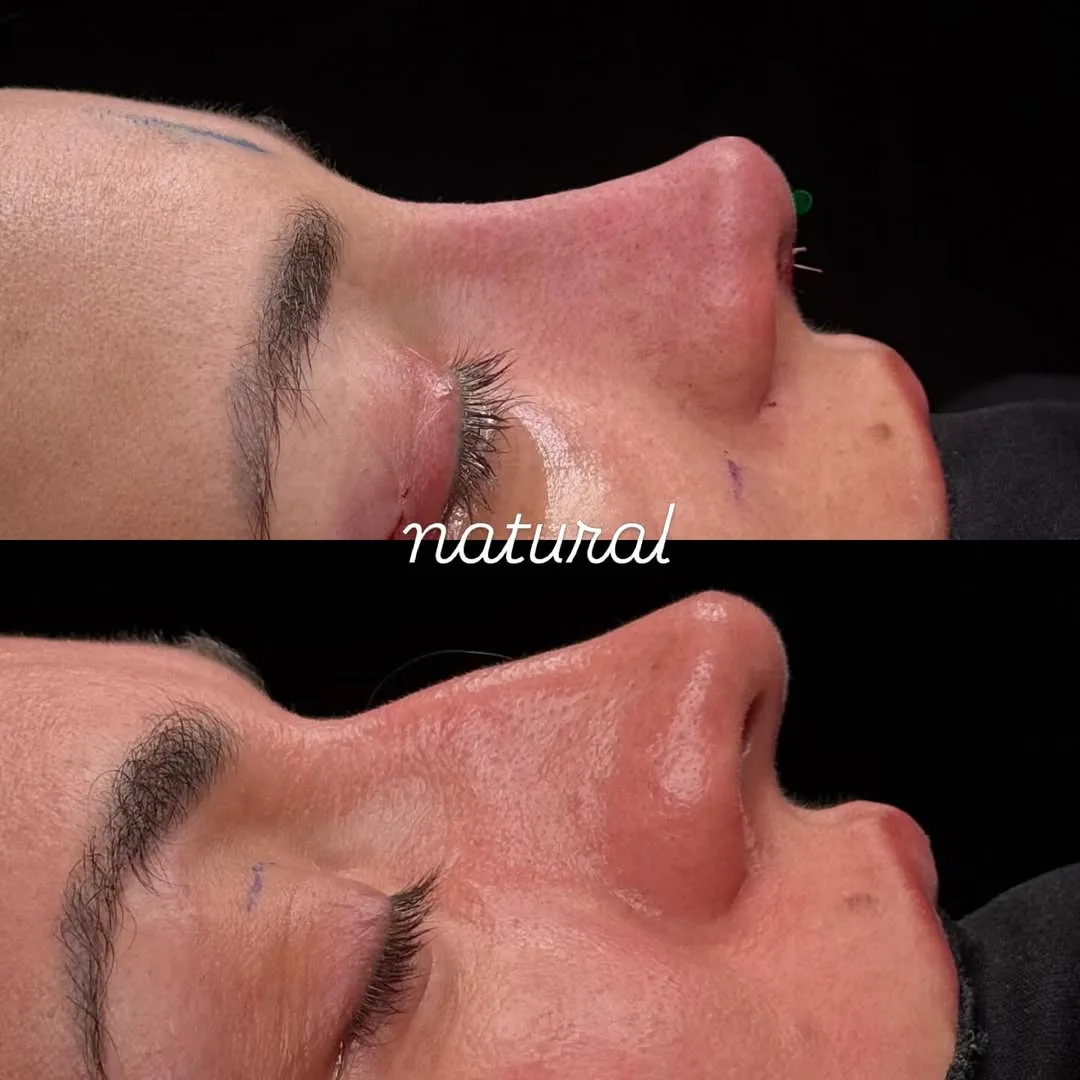
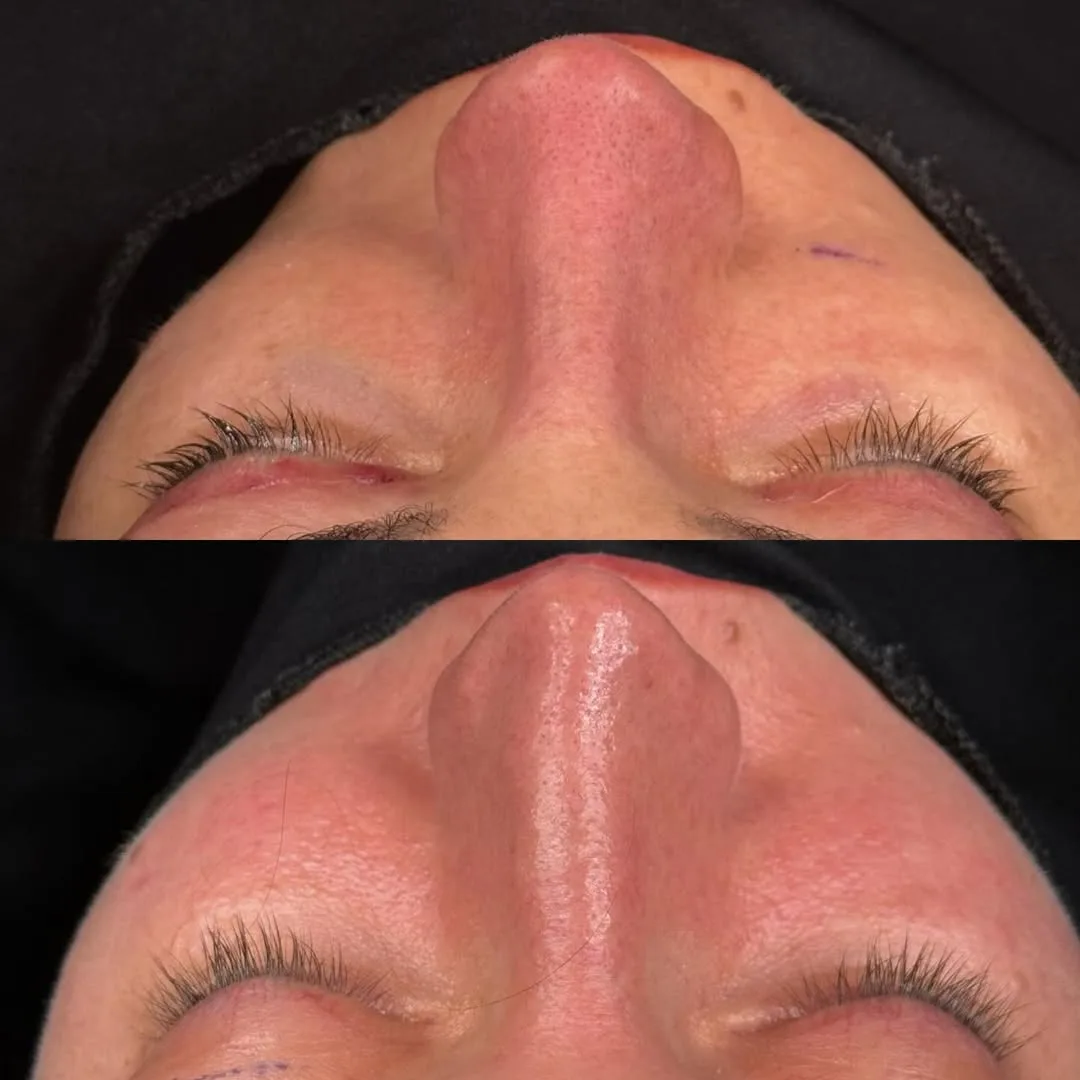
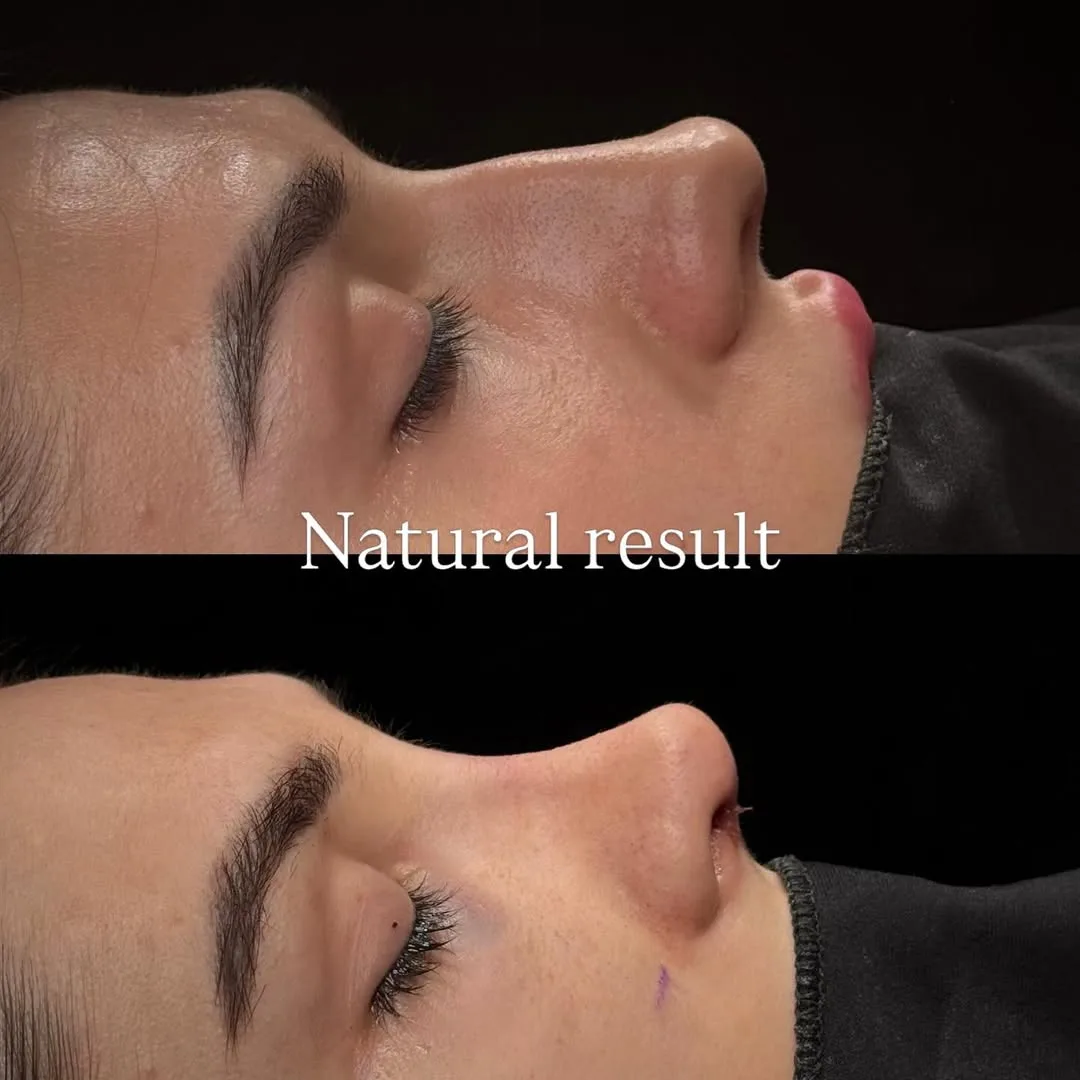
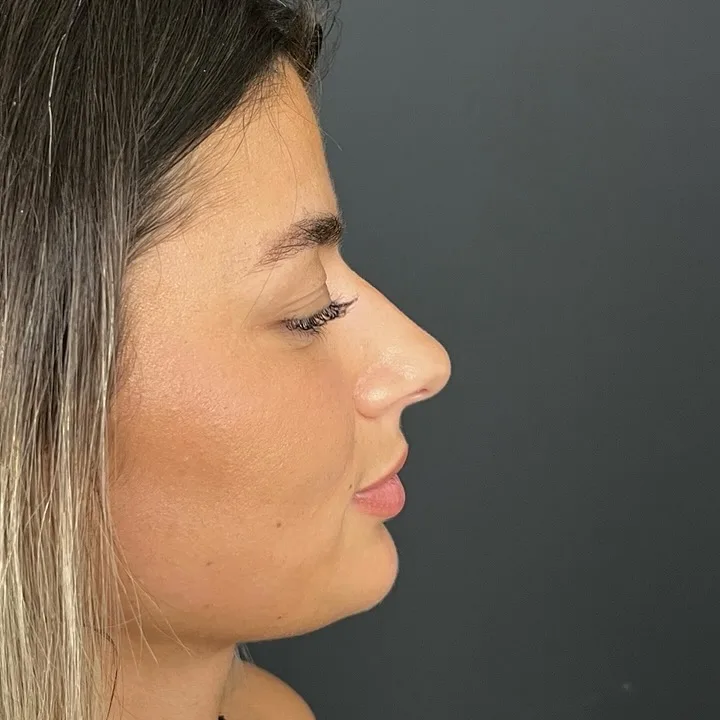
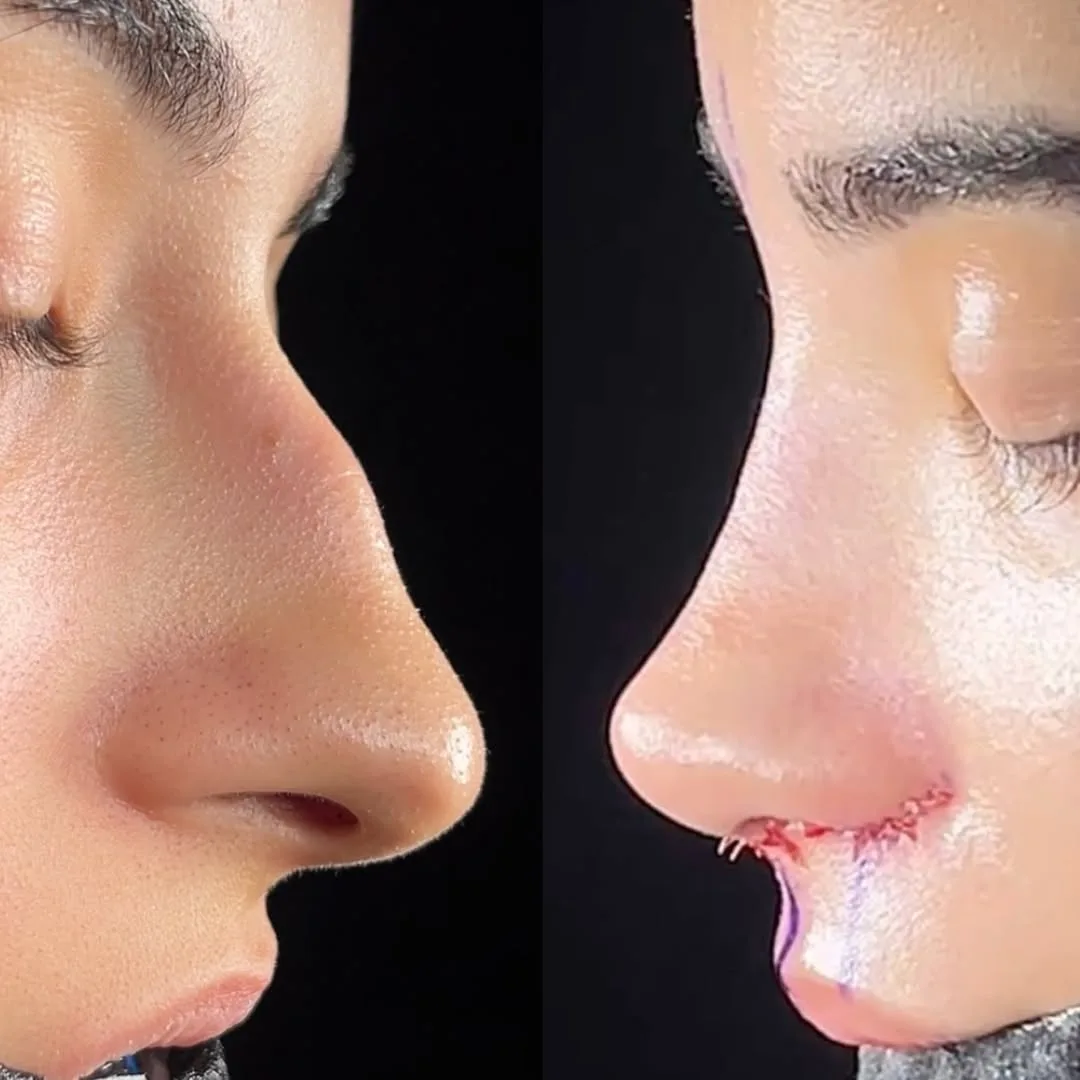
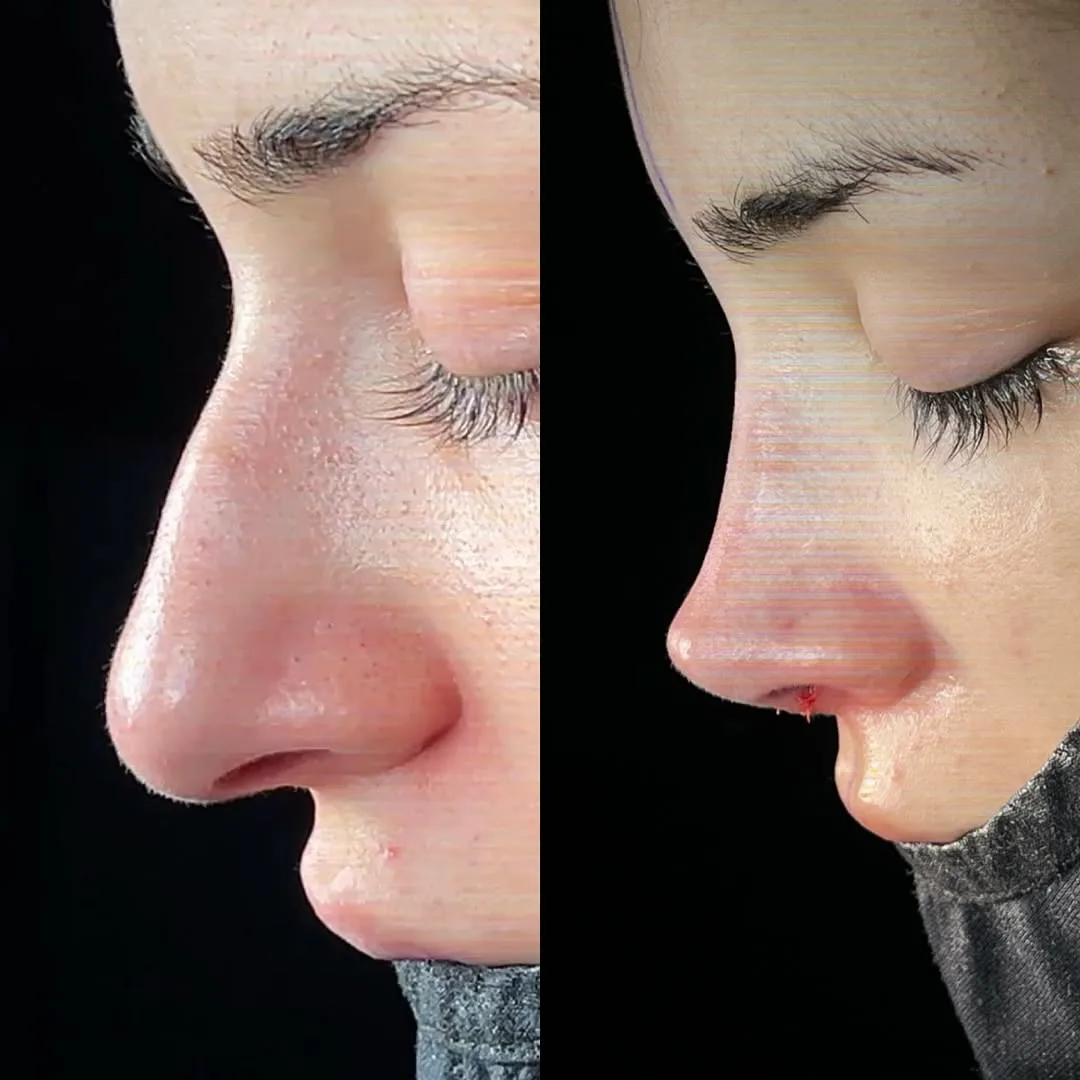
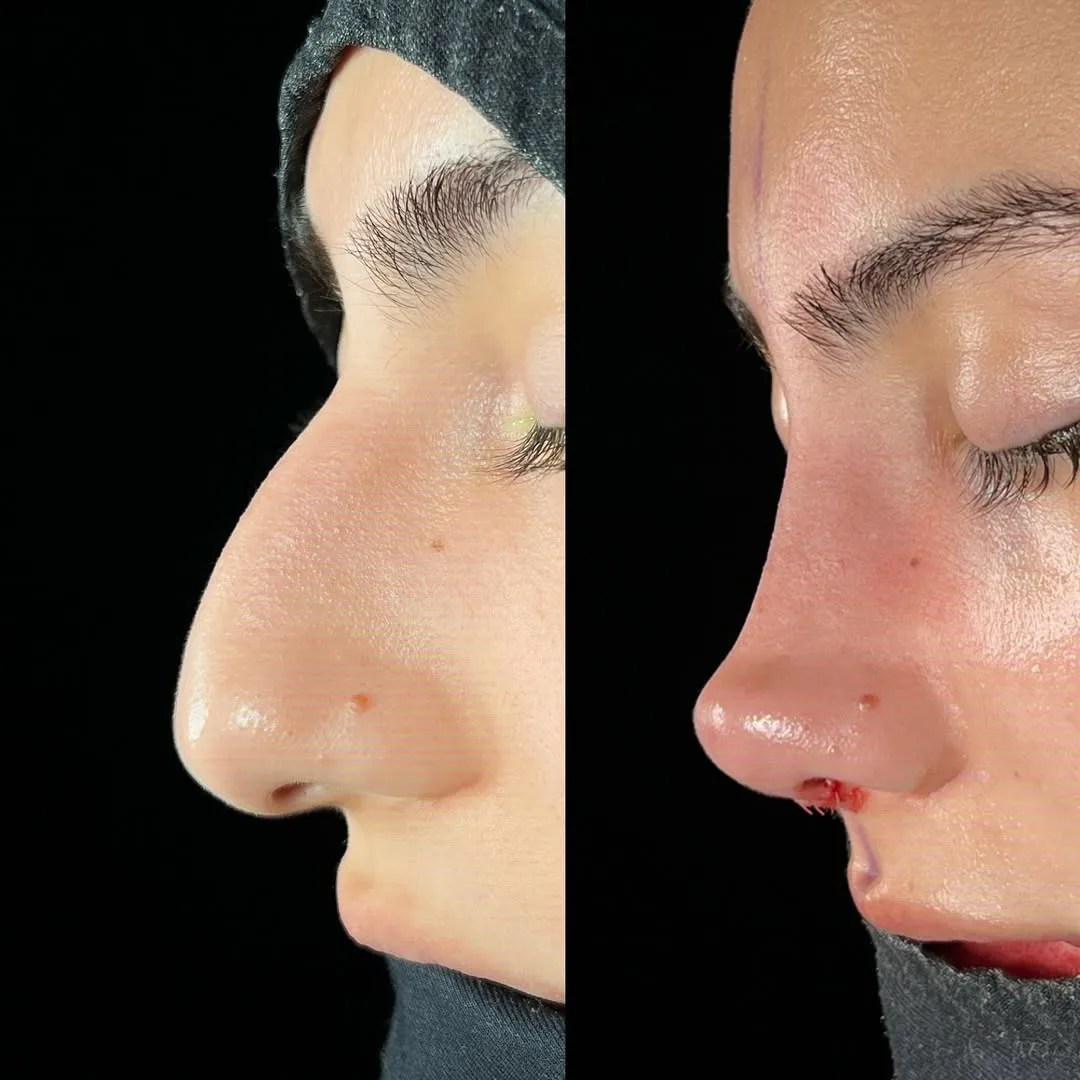
Natural Rhinoplasty before and after in Turkey, Antalya
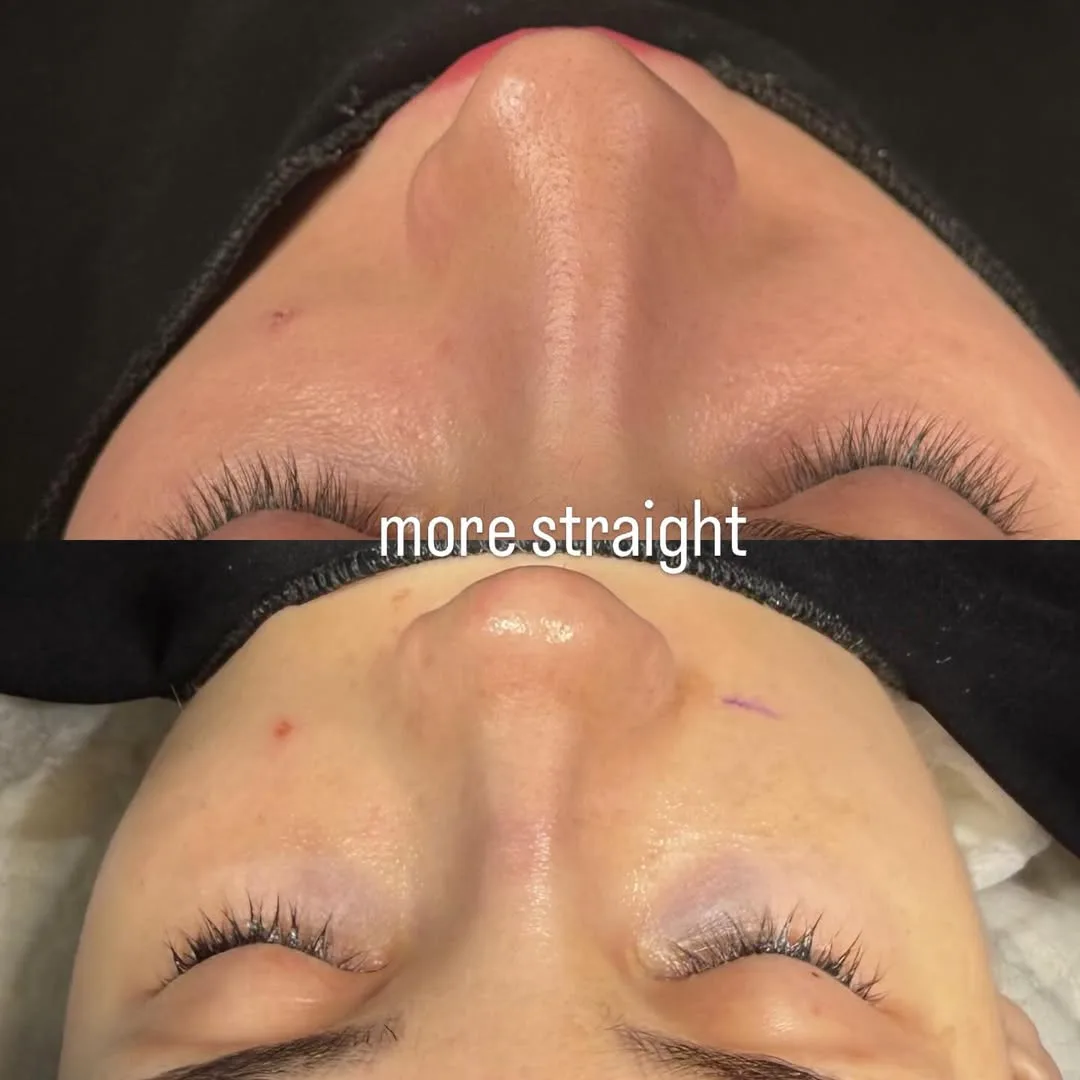
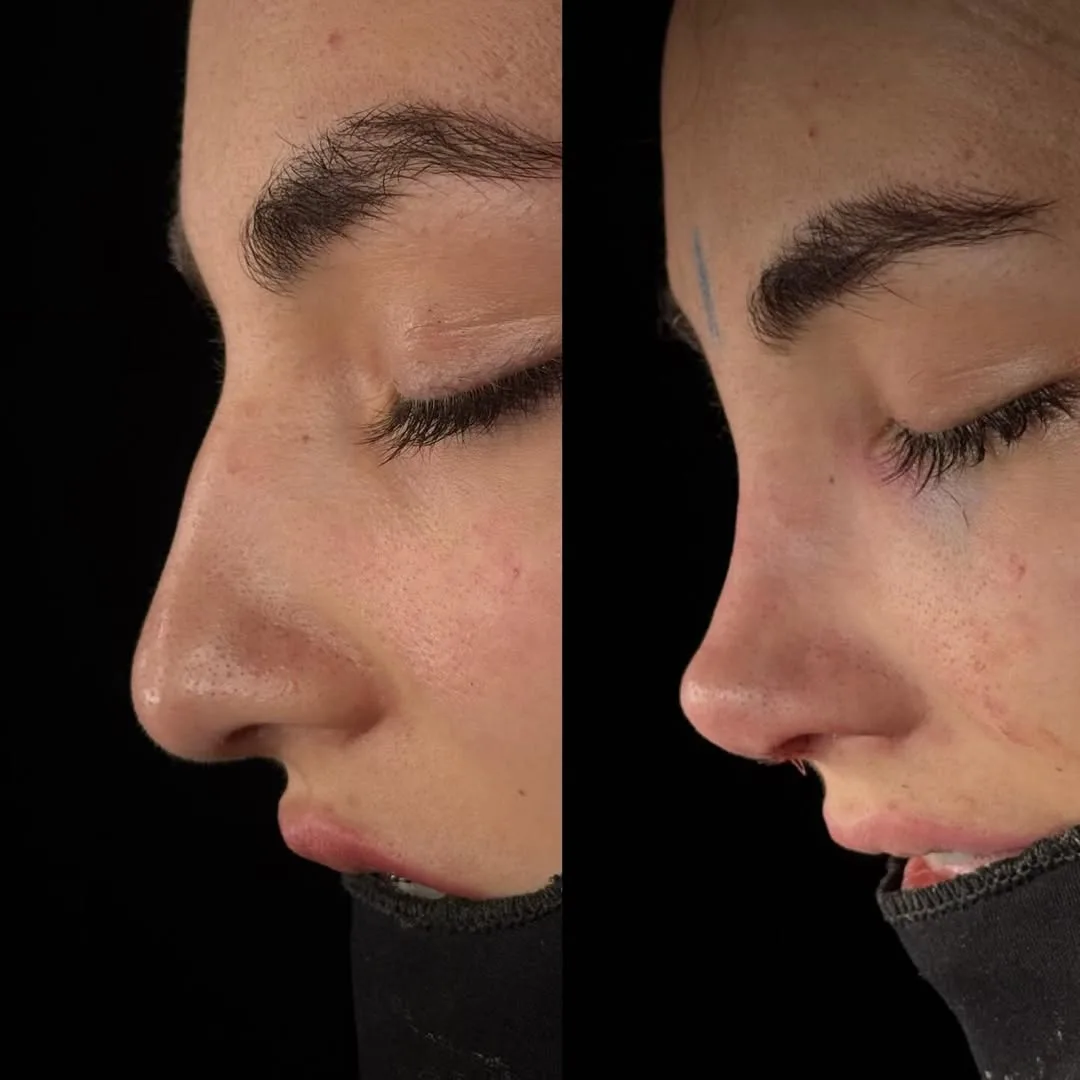
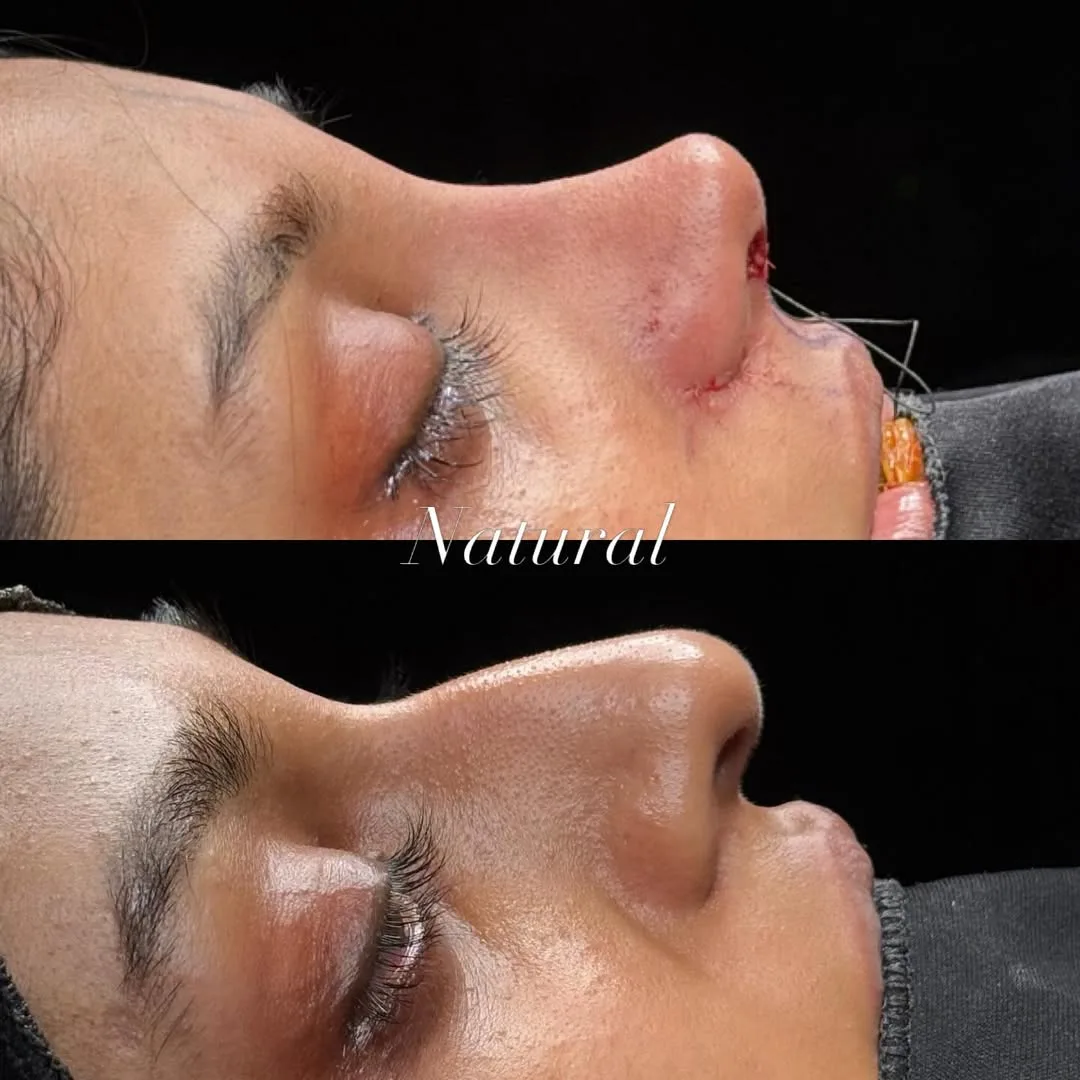
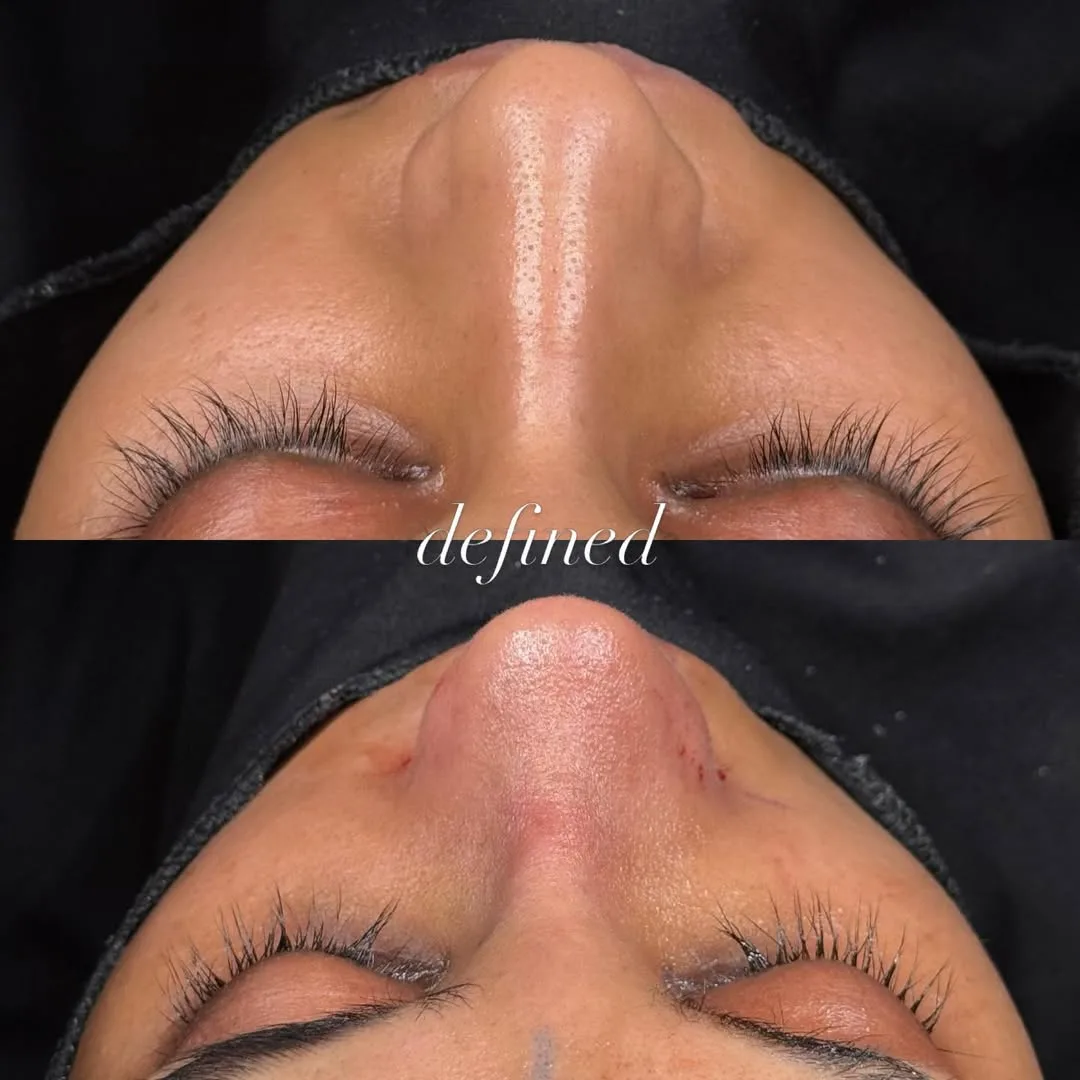








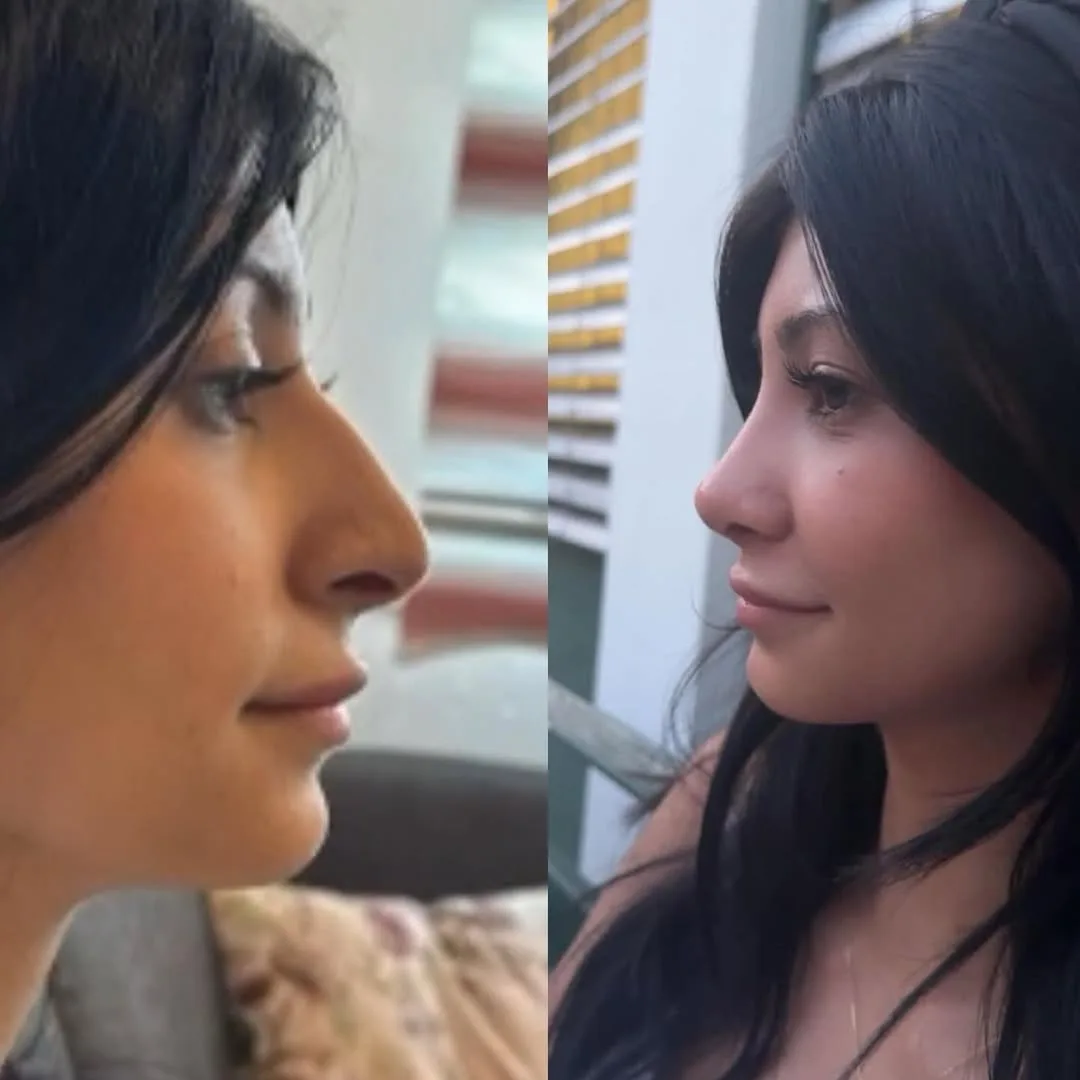

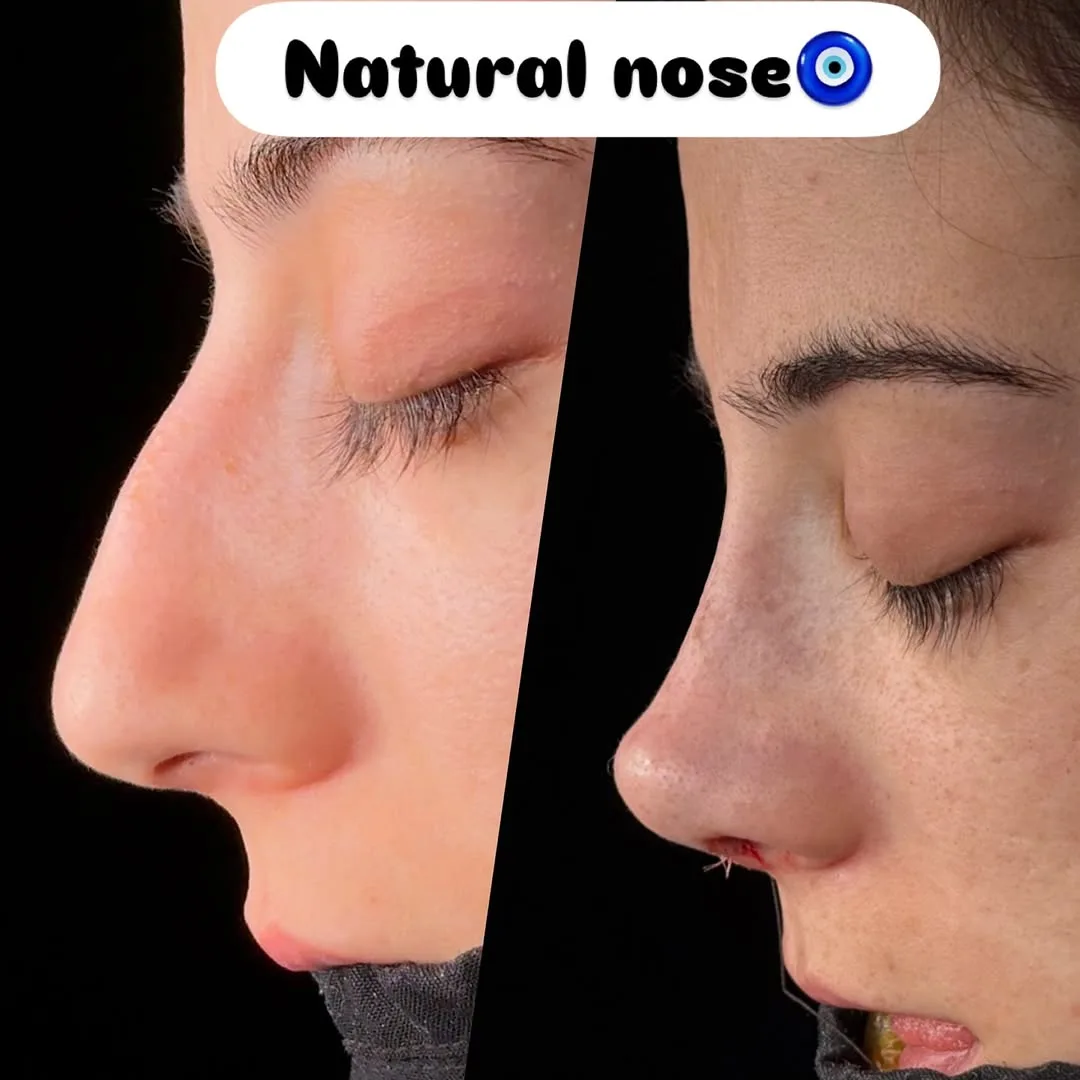
Note
- Before and after images were taken in the same clinical environment and under the same technical conditions.
- Written and explicit patient consent has been obtained.
- This content is shared for informational purposes only.
- Results may vary from person to person.
Frequently Asked Questions
Can you get a natural nose job?
Yes, the main goal of current surgery is to make the nose look natural after rhinoplasty. In the past, noses that were curved like slides and had tips that were too small made it obvious that surgery had been performed. Patients who are well-informed no longer want "someone else's nose". Instead, they ask for a more polished version of their own nose that fits their face better. Surgeons get this natural look by not only looking at the nose's internal dimensions but also how it fits in with the eyes, lips, and chin.
Can a nose be reshaped naturally?
In surgery, "natural" reshaping of the nose means making changes that don't change or destroy the nose's basic anatomical features.
Modern methods like preservation rhinoplasty make it possible to lower the nose without damaging the natural structure of the nasal bone and cartilage. Also, employing unique suture techniques to reshape the cartilage instead of cutting it and taking it out is one of the most important steps forward in keeping the nose's natural shape.
In the future, non-surgical technologies that use electrical currents (EMR) to change the shape of cartilage may make further enhance this technique.
How to fix an unattractive nose?
The first step in fixing a nose that doesn't look good is to make a plan that is particular to the patient's needs, such as a hump, breadth, drooping, etc. The modern way of doing things goes like this:
- Analysis and planning: CGI tools are utilised to show what the patient's face will look like after surgery.
- Minimal interventions: When someone has a humped nose, the bone and cartilage are shaved down with millimetre-level accuracy. Cartilage grafts and stitches are used to fix wide or deformed nasal tips.
- Maintenance of function: While aesthetic adjustments are performed, the preservation—and even enhancement—of the nose's respiratory function (the septum and valve mechanism) is a fundamental aspect of the treatment.
Please contact Op. Dr. Ümit Küçüktepe for an examination and further information.
This article is for informational and advisory purposes. The recommendations of your surgeon, who will examine you and perform nose surgery, should be a priority.