In rhinoplasty, cartilage exhibits a phenomenon known as cartilage memory, meaning it may retain a tendency to return toward its original shape due to intrinsic elastic forces. Surgeons counteract this tendency using scoring techniques, sutures, and structural grafts. In rare cases, postoperative changes such as cartilage warping, graft displacement, or scar contracture may alter the surgical outcome.
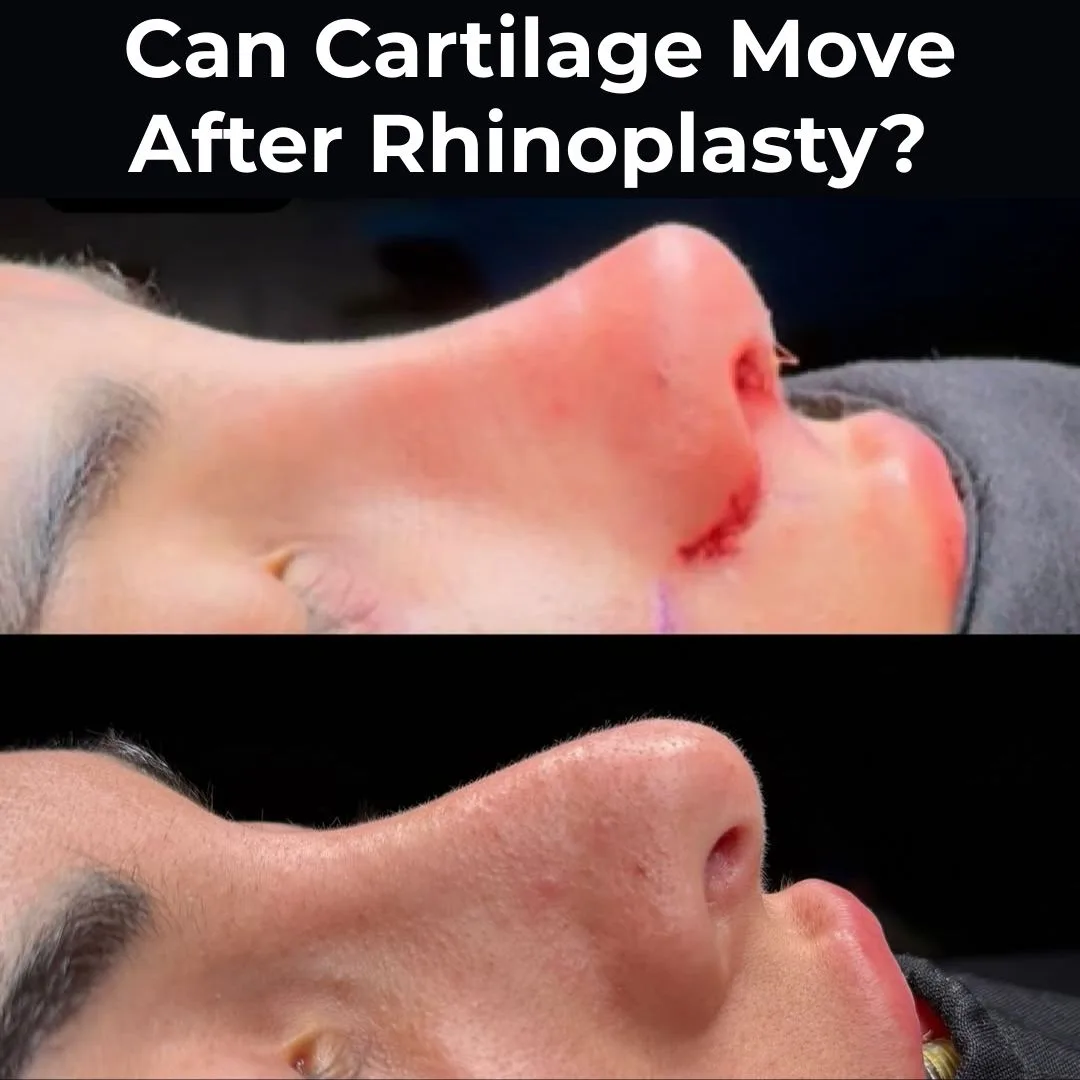
Why does cartilage move after rhinoplasty?
During rhinoplasty, cartilage is reshaped, repositioned, or used as graft material to provide structural support to the nasal tip and dorsum. If grafts are not adequately stabilised with precise suturing or the surgical pocket is overly dissected, they may become displaced or malpositioned over time. Dorsal grafts, particularly those harvested from the septum, may shift or warp, leading to asymmetry. Tip support structures such as columellar struts can also change position if not securely fixed. Additionally, excessive dead space or soft tissue pressure may allow graft mobility, potentially resulting in a crooked or asymmetric appearance.
Can nose cartilage be displaced?
Nasal tip cartilages:
The nasal tip is a dynamic structure whose position depends on strong support mechanisms and precise suturing. If tip support is inadequate, postoperative changes such as tip ptosis, loss of rotation, asymmetry, or lateral deviation may develop over time.
Nasal dorsum grafts:
Dorsal graft alignment is critical for aesthetics, as even minor deviations or irregularities are readily visible externally.
Septal cartilage:
As the central structural support of the nose, septal deviation or destabilization can affect both nasal airflow and external nasal symmetry.
Cartilage Movement After Rhinoplasty
Even a millimetre-sized move can alter the external appearance of the nose. In other words, a shift of just 1-2 mm can make the tip of the nose appear crooked or cause it to look as if it has fallen to one side. Especially when the midline of the face is so sensitive, even a small shift can lead to complaints such as, ‘My nose is crooked!’
How can I prevent cartilage movement after surgery?
After nose surgery, both the ENT specialist surgeon must use the correct techniques, and the patient must be careful during the recovery process to prevent cartilage displacement. In other words, the recovery procedure is a two-way process: one begins on the operating table, the other at home.
What should the surgeon do?
Cartilage must be correctly positioned and secured:
If cartilage grafts (supports) are left loose without being secured with sutures, they may over time. Grafts on the bridge and tip of the nose, in particular, must be firmly positioned.
Supportive grafts should be used if necessary:
In noses with weak cartilage structure, additional support grafts (e.g., columellar strut) are essential to support the tip of the nose. These grafts ensure that the nose retains its shape in the long term.
Symmetry should be maintained:
Cartilages shouldn't be pulled to one side, especially when straightening the septum or intervening on the nasal wings. If symmetry is compromised, the tissue may eventually mould according to the direction of pressure.
Subcutaneous spaces should be well managed:
If a space is left between the skin and the cartilage, the cartilage may shift internally and create external asymmetry.
What should the patient do?
Avoid any impact to the face:
During the first 1-2 months after surgery, the cartilage inside the nose will be trying to adapt to its new position. Even the slightest impact during this period can cause the grafts to shift.
Do not sleep face down:
Sleeping face down can put pressure on the nose and cause the internal structures to shift. It is necessary to sleep on your back with a slightly elevated pillow for at least 2 months.
Do not wear glasses (especially heavy ones):
Glasses that rest on the bridge of the nose can press on and displace the cartilage grafts over time. The issue of wearing glasses should be discussed with your surgeon. Your ENT doctor will definitely tell you how long you should refrain from wearing glasses (usually 1–2 months).
Do not squeeze, press or rub your nose:
No pressure should be applied to the nose, even during cleaning and scratching. These actions can disrupt the healing of the internal tissue.
Nasal hygiene and follow-ups should not be neglected:
Any infections that may develop inside can adversely affect healing, leading to weak adhesion of the cartilage. This makes slippage more likely. This will be noticed by the doctor during regular follow-ups, and the necessary intervention will be made.
What is cartilage memory after rhinoplasty?
After rhinoplasty, some patients hear about something called cartilage memory. This means that nasal cartilage naturally tends to stretch and then return to its original shape over time.
To make the desired shape during nose surgery, cartilage is reshaped, moved, or strengthened. Modern surgical methods are meant to keep the new shape stable, but cartilage has natural elastic properties that have developed over many years. Because of this, it might not want to move to its new position right away while it heals.
These small changes may happen over time, and they usually affect:
- The position of the tip of the nose,
- The straightness of the bridge of the nose,
- Overall symmetry
Importantly, cartilage does not fully revert to its original shape. Instead, tissues can make small changes as they heal and adapt.
Why is the healing process important?
The time after surgery is very important for keeping the results of the surgery. Following recovery instructions helps keep tissues stable while they heal in their new place.
Surgeons usually tell patients to:
- Don't put pressure on or hurt your nose,
- Sleep in the right way,
- If your doctor tells you to, use splints or tape,
- Keep the nose safe from accidental hits.
These steps do not "suppress memory," but they do help the nasal structures heal and stabilise properly.
Revision Rhinoplasty with rip cartilage before and after
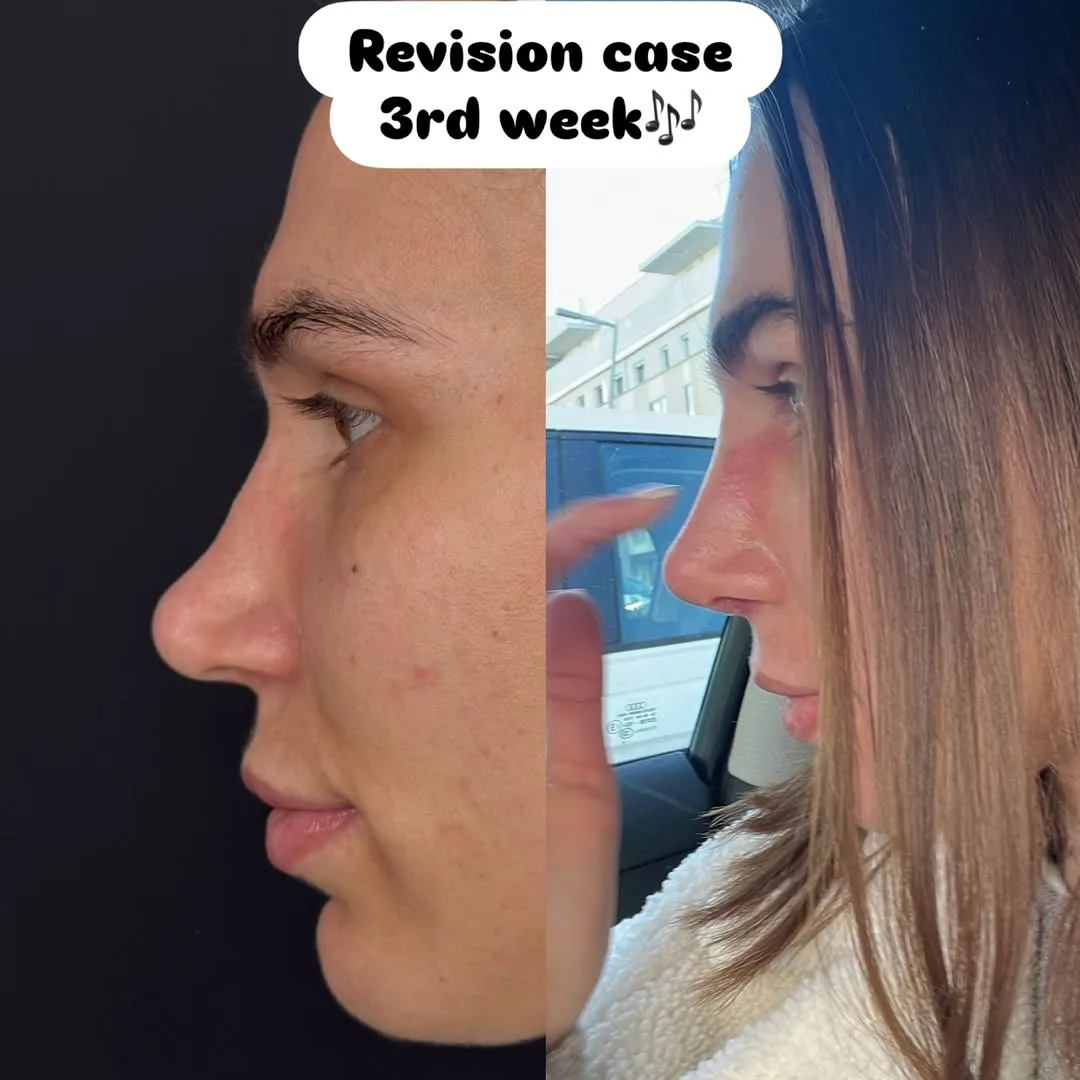
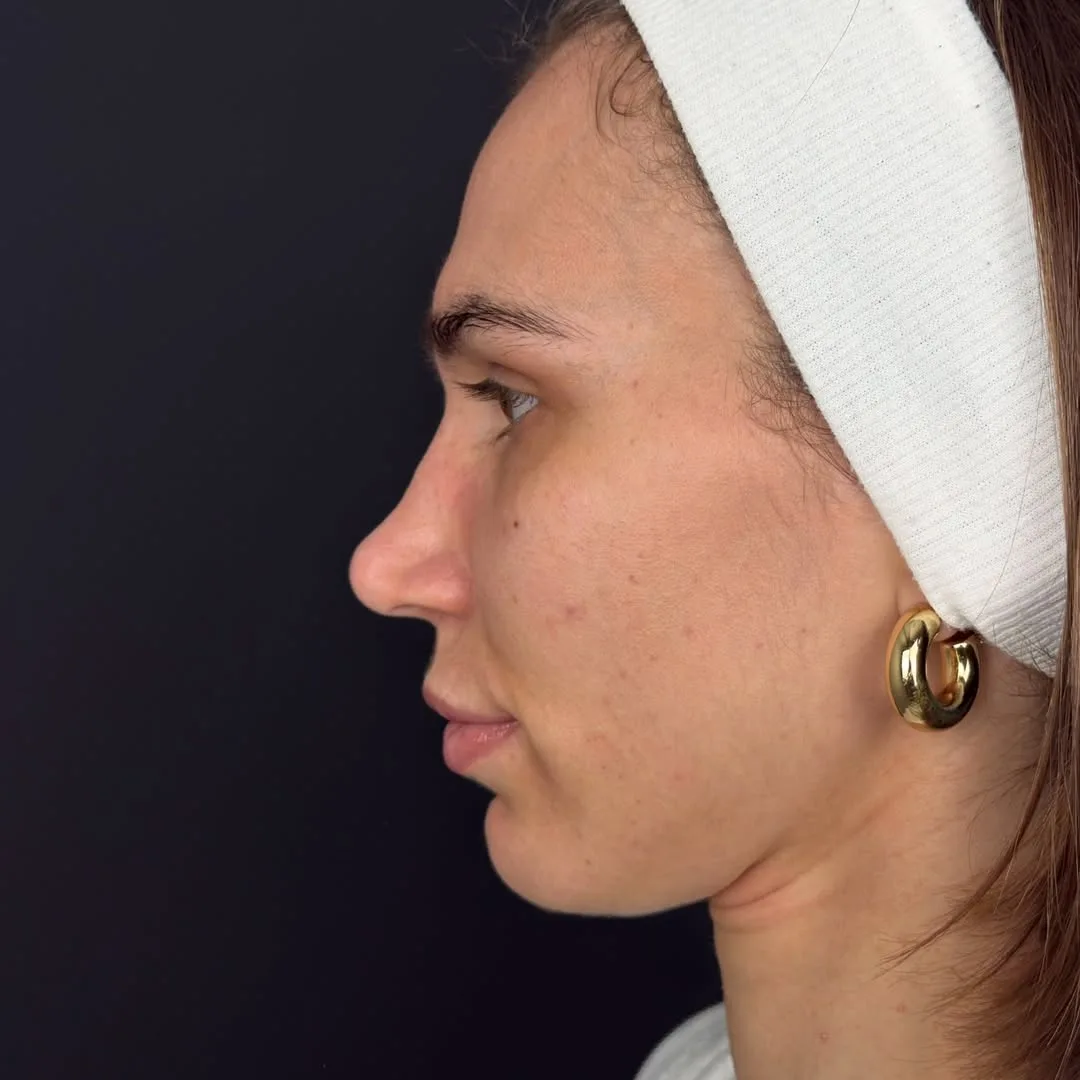

Revision Rhinoplasty with rip cartilage in Turkey, Antalya
Does cartilage memory affect everyone?
Not always.
Modern rhinoplasty techniques, such as structural grafting, precise suturing, and strong tip support, carefully control the effects of cartilage recoil.
But following the post-operative instructions and taking care of yourself will help you get the best long-term results.
Cartilage memory is a normal biological process, not a problem. If surgery is done with the right structural support and healing is done carefully, the shape of the nose will stay the same for a long time.
Please contact Op. Dr. Ümit Küçüktepe for an examination and further information.
This article is for informational and advisory purposes. The recommendations of your surgeon, who will examine you and perform nose surgery, should be a priority.